






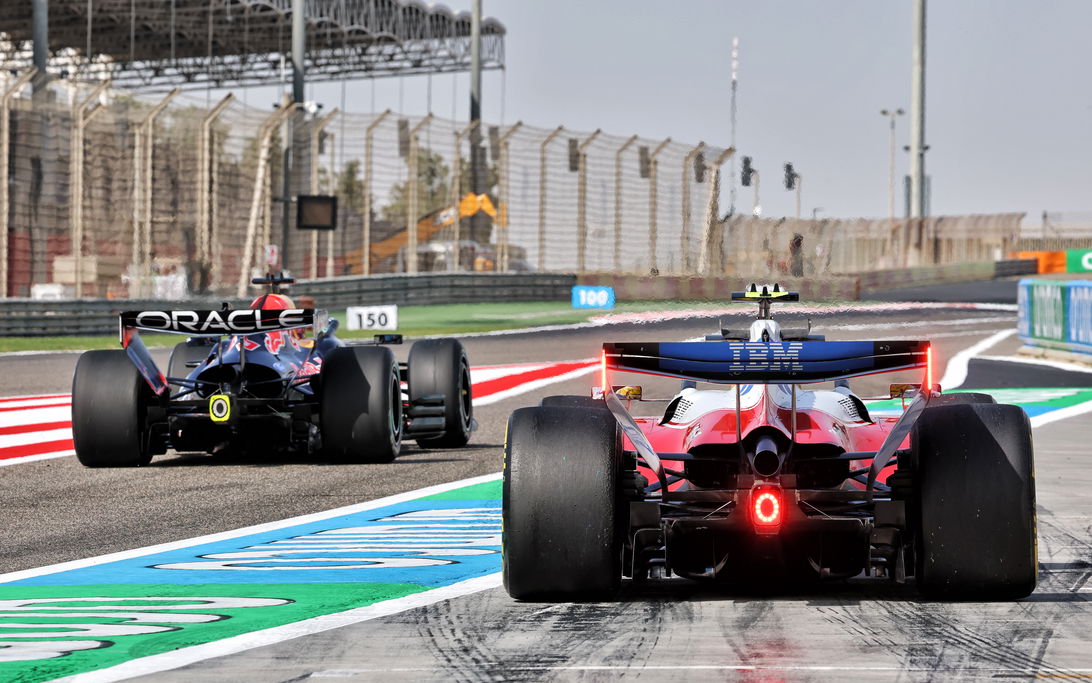
Red Bull tops F1 title sponsorship value ahead of Ferrari and McLaren
Red Bull Racing's title partnership with Oracle is the most lucrative on the Formula 1 grid, valued at an estimated $110 million per year, narrowly beating Ferrari's landmark deal with HP. These figures underscore the immense commercial value top teams command as the sport's global profile continues to rise.
Why it matters:
Title sponsorship is a critical financial pillar for F1 teams, directly funding car development, operations, and the technological arms race. The size of these deals reflects a team's marketability, competitive prestige, and global reach. In an era of cost caps, this commercial revenue is increasingly vital for maintaining a performance advantage and securing long-term stability.
The details:
- Red Bull & Oracle: The reigning champions lead the pack with their partnership, recently extended and now valued at approximately $110 million per year. The deal includes cash, extensive technology services, and branding.
- Ferrari & HP: The Scuderia's historic partnership with the tech giant is the only other deal breaching the $100 million mark, coming in at an estimated $100 million per year.
- McLaren & Mastercard: The team's new major partnership is designated a "naming sponsor" rather than a traditional title sponsor but brings in a substantial $90 million annually.
- Other Major Deals:
- Mercedes & Petronas: The long-standing technical and title partnership is understood to be worth $80 million per year.
- Aston Martin & Aramco / Audi & Revolut: Both of these significant new partnerships for the 2026 season are valued at roughly $75 million per year.
- The reported figures represent the total value of each package, encompassing cash, provided services, software, and technical support.
The big picture:
The sponsorship landscape highlights the commercial hierarchy within F1. Top teams with consistent performance and global brand appeal command premium fees, creating a reinforcing cycle of success. The arrival of new, deep-pocketed partners like Mastercard, Revolut, and HP signals strong confidence in F1's growing commercial appeal and audience demographics. Furthermore, the distinction McLaren makes with "naming rights" suggests evolving models for these top-tier partnerships beyond traditional branding.
What's next:
Sponsorship values are expected to remain robust, especially with the technical reset and new manufacturers like Audi arriving in 2026. Teams further down the grid will aim to leverage improved on-track performance to close the commercial gap. The focus will also shift to how teams strategically utilize these partnerships beyond liveries, integrating sponsor technology and services directly into their competitive operations for a tangible on-track edge.
Original Article :https://racingnews365.com/biggest-f1-team-sponsors-red-bull-top-mega-f1-rich-lis...