






Honda's Troubled Start with Aston Martin Echoes Past F1 Nightmares
Aston Martin's new works partnership with Honda has begun with severe reliability issues, mirroring the Japanese manufacturer's disastrous start with McLaren in 2017 rather than its championship-winning form with Red Bull. The power unit is plagued by abnormal vibrations damaging the battery system, limiting running and performance, and casting a shadow over the team's ambitious title-contending plans.
Why it matters:
This rocky start tests the foundation of a critical works partnership for Aston Martin's long-term championship aspirations. With high-profile leadership from Adrian Newey and significant investment from Lawrence Stroll, prolonged underperformance is not an option. The situation also highlights the immense challenge of developing a competitive power unit under F1's current cost cap and testing restrictions, which could slow Honda's recovery compared to its previous, free-spending rebuild.
The Details:
- The core issue is abnormal vibrations damaging the battery system, a problem for which Honda has not yet identified a clear root cause. This prevented the engine from running extended laps without faults during testing.
- Performance is compromised: Due to the reliability concerns, Honda could not recover energy to the MGU-K's maximum potential during testing, leaving the package inefficient and down on power over a lap.
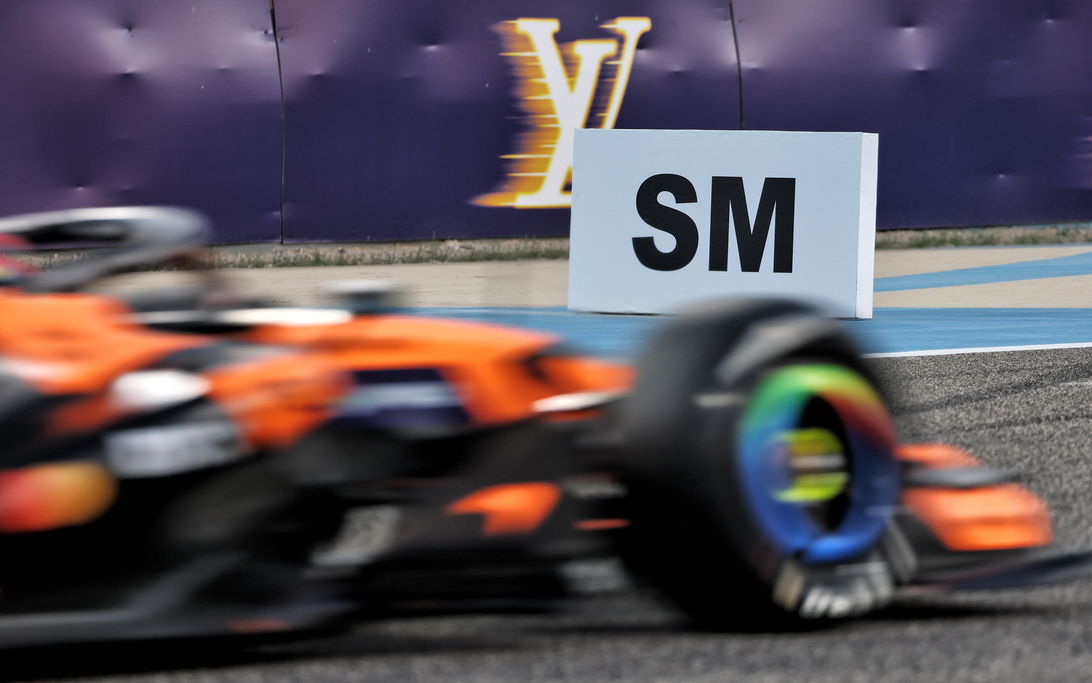
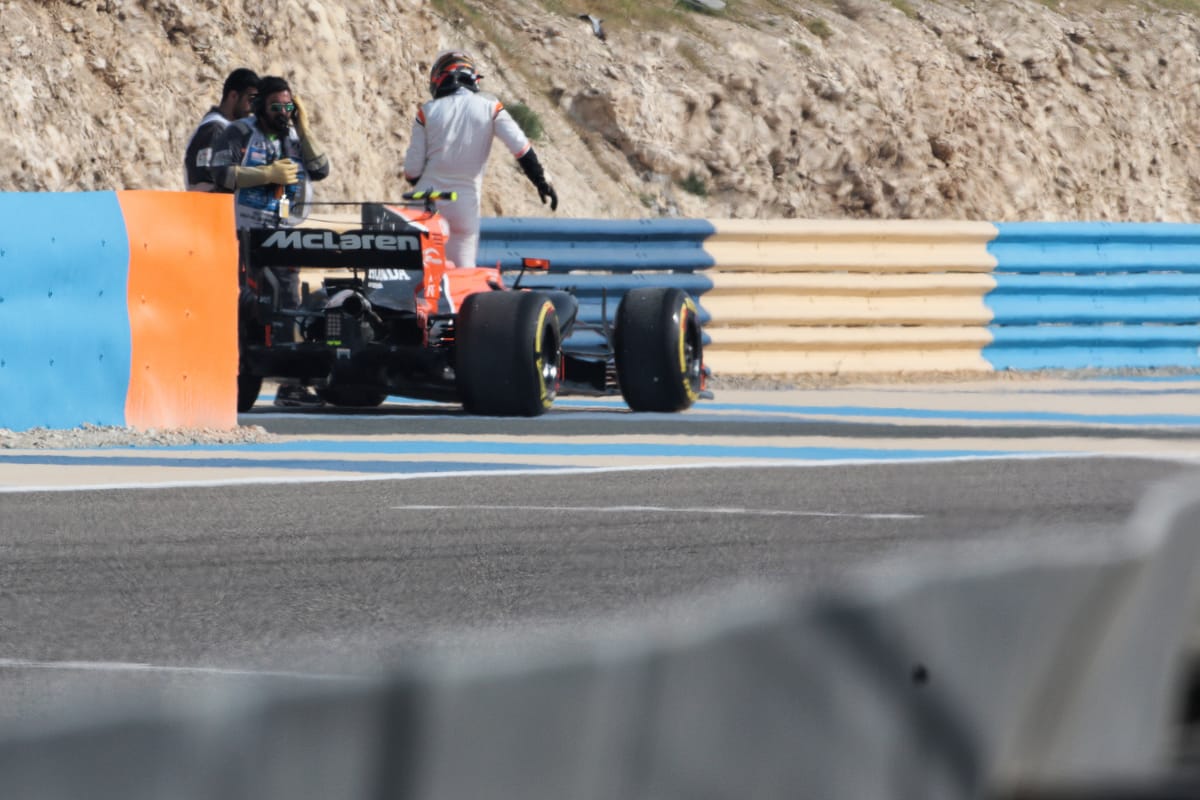
- The situation is a near-repeat of Honda's 2017 pre-season with McLaren, which also began with chronic reliability problems and extreme vibrations that made the car impossible to properly assess.
- Two key differences make recovery harder now:
- Financial and Testing Rules: The cost cap and dyno testing restrictions limit Honda's ability to throw unlimited resources at the problem, unlike during its funded recovery with Red Bull.
- Sky-High Expectations: This is not a low-stakes project with a junior team. Aston Martin, with Newey and Stroll, demands immediate contender status, creating potential for a toxic blame game similar to the failed McLaren partnership.
- Car development is also a question mark: Adrian Newey's delayed arrival in 2025 caused a reset/pause in aerodynamic development, meaning the AMR26's chassis started the year somewhat compromised, with lost development time.
What's next:
The immediate focus is on urgent reliability fixes, with Honda racing to lock in a stable engine specification. A realistic recovery arc, if the base architecture is sound, would be gradual:
- 2026 Season: Stabilize reliability and aim for a midfield baseline by the second half of the year. A podium-contending package within one year would require an extraordinary turnaround.
- 2027 Season: Build a stronger performance and reliability platform.
- 2028 Onward: Target sustained front-running potential, echoing the timeline from Honda's 2017 low point to its first wins with Red Bull. The partnership's success hinges on avoiding the blame culture that doomed the McLaren relationship and forging a truly integrated works team, rather than falling into a simple customer-supplier dynamic. Patience will be tested against Lawrence Stroll's ambitions.
Original Article :https://www.the-race.com/formula-1/honda-mclaren-f1-nightmare-repeat-aston-marti...