






Red Bull's RB21 Resurgence: How Updates Reignited Max Verstappen's Championship Bid
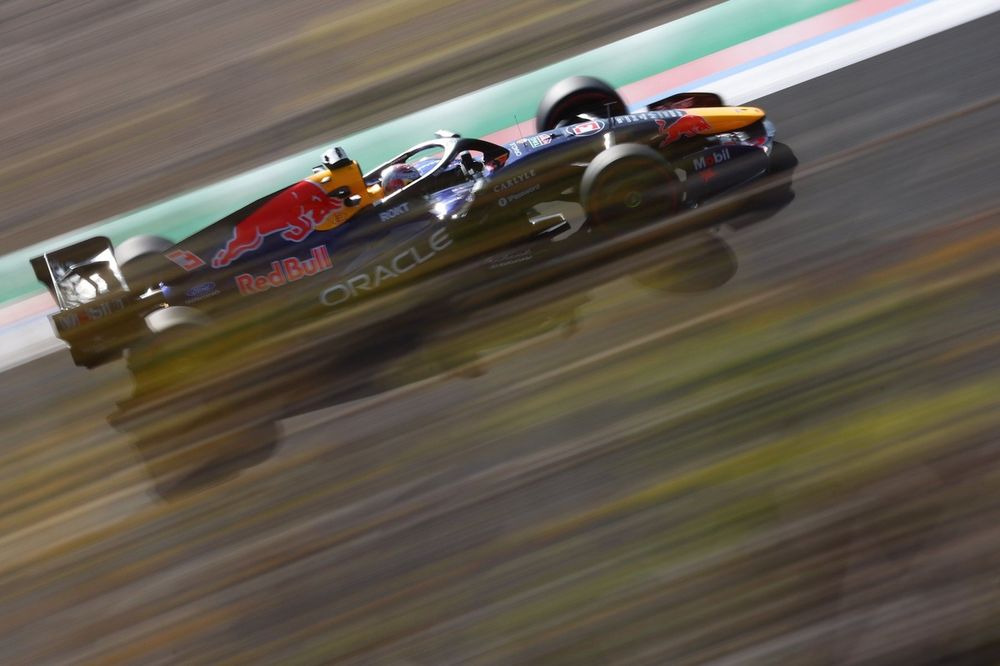
Max Verstappen has firmly re-entered the championship conversation in recent races, a stark contrast to earlier in the season when he was considered an outsider against the McLaren duo. This resurgence is not only due to his rivals' inconsistencies but also significant progress by Red Bull in optimizing the RB21 through strategic updates and precise circuit-specific setups.
Why it matters:
Red Bull's ability to extract peak performance from the RB21, especially in challenging races, underscores their engineering prowess and strategic adaptability. This renewed competitiveness has reignited Verstappen's title hopes and adds a crucial layer of intensity to the championship battle, reminding rivals that Red Bull remains a formidable force.
The Details:
- Monza's Aerodynamic Innovation: At the Italian Grand Prix, Red Bull employed a unique aerodynamic configuration, notably trimming the trailing edge of the lower downforce rear wing on Verstappen's car. This 'hacksaw' approach aimed to reduce drag and maximize straight-line speed on Monza's high-speed circuit, leading to a dominant victory for Verstappen.
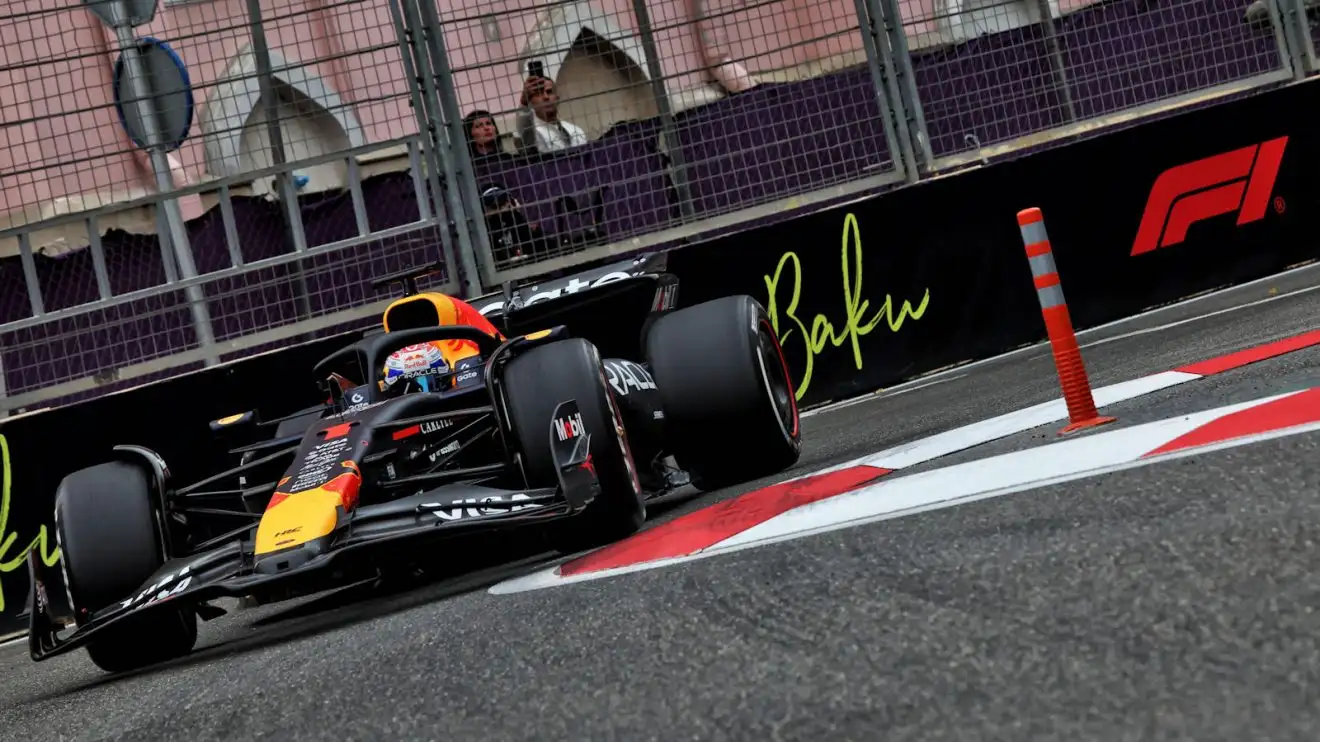
- Baku's Strategic Compromise: While many rivals focused on drag reduction for the Baku street circuit, Red Bull prioritized a balanced setup for the middle sector's tight and twisting layout. This required a delicate balance to navigate the barrier-lined turns, aided by Pirelli's softest tire compounds (C4/C5/C6).
- Rear Wing Adjustments: For Baku, the trimmed rear wing from Monza was replaced with its usual specification. A Gurney flap was even added to the rear wing to further enhance balance and downforce, indicating a shift from pure straight-line speed to cornering performance.
- Unconventional Front End: Red Bull introduced an 'out of kilter' front-end configuration for Verstappen's RB21 in Baku. This involved a wider, more bulbous nose paired with an L-shaped flap section (first seen at the Dutch Grand Prix).
- Front Wing Specifics: The front wing flap shape also differed, featuring a change in chord height across its span and a narrower, more pronounced humped central section (previously used at Imola), a specification not present on Tsunoda's car.
The Big Picture:
Red Bull's recent successes demonstrate a crucial turnaround. Earlier in the season, the RB21 struggled with a narrow operating window, making it difficult to find optimal performance across different tracks. However, a series of targeted updates, particularly in the aerodynamic department, have broadened this window. This has allowed Verstappen to consistently extract maximum performance, even on circuits that didn't inherently suit the car's initial characteristics. The team's aggressive and sometimes unconventional approaches, like the Monza wing modification or the Baku front-end setup, highlight their commitment to innovation and pushing the boundaries of car design to gain a competitive edge.
What's next:
Red Bull's renewed vigor poses a significant threat to McLaren and other championship contenders. The ability to adapt the RB21 to varying circuit demands and extract performance through innovative solutions suggests a strong second half of the season for the team. The focus will now be on sustaining this momentum and further refining the car's setup for upcoming races, as every point will be critical in what is shaping up to be a tightly contested championship.
Original Article :https://www.planetf1.com/news/f1-uncovered-reinvigorated-red-bull-rb21-front-win...