


Red Bull's Mekies: "Naive" to expect 2026 F1 power unit will be on top from the start
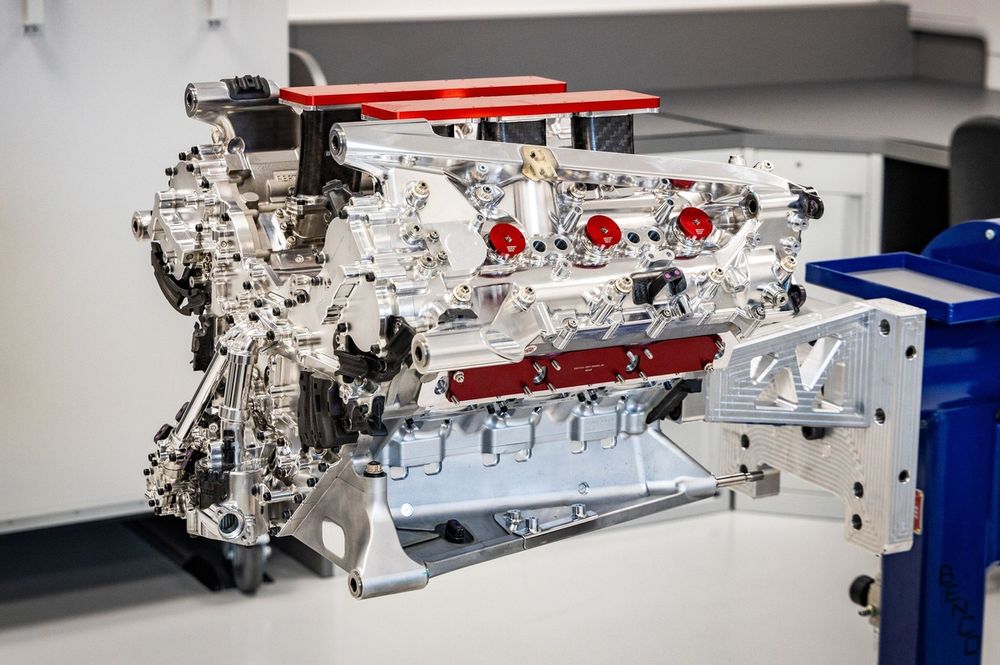
Red Bull team principal Laurent Mekies has dismissed any notion that the team will hit the ground running with its first-ever in-house Formula 1 power unit in 2026, warning of "very tough months" ahead as the squad takes on established giants like Mercedes and Ferrari. The ambitious project, developed with Ford's support, represents one of the biggest technical gambles in modern F1 history.
Why it matters:
Red Bull's decision to build its own engine from scratch is a monumental challenge that will define its competitive future. Success would cement its status as a true, self-sufficient powerhouse, but a slow start could see the dominant team of this era fall behind as the sport enters a new regulatory cycle. The project tests whether a team can master the most complex part of an F1 car without decades of institutional knowledge.
The details:
- Mekies openly acknowledged the scale of the task, stating it would be "naive to think that we are going to land it on the top spot straight away."
- The 2026 project was born from necessity after Honda's initial decision to leave F1 and collapsed talks with Porsche, forcing Red Bull into a frantic recruitment and infrastructure build-up.
- The team now faces the might of manufacturers with nearly a century of combined experience, including Mercedes, Ferrari, Honda (now with Aston Martin), and the incoming Audi.
- While paddock whispers suggest Mercedes is well-placed for 2026, there is less optimism about Red Bull's ability to be immediately competitive.
- Regulations do include provisions for lagging manufacturers to receive extra development time and budget, offering a potential safety net but not eliminating the risk of short-term performance pain.
The big picture:
This engine project is the ultimate test of Red Bull's engineering culture and ambition. The team has conquered the chassis and aerodynamics era, but the power unit represents a different beast entirely. Building a facility, hiring over 600 people, and developing dynos from a blank sheet of paper is a "crazy" decision, as Mekies put it, one that aligns with the team's high-risk, high-reward identity. The partnership with Ford adds industrial scale and resources, but the core technical challenge rests squarely with Red Bull Powertrains.
What's next:
The countdown to 2026 is on, and the coming months will be critical for the program's development. Red Bull has already announced a high-profile 2026 season launch event with Ford in the United States, signaling its marketing commitment. The real work, however, happens behind the scenes in Milton Keynes, where the team must translate its bold vision into a reliable and powerful unit capable of fighting from lights out. The success or failure of this gamble will reshape the competitive hierarchy for the next era of Formula 1.
Original Article :https://www.motorsport.com/f1/news/red-bull-would-be-naive-to-think-its-2026-f1-...