




Ranking the Top 5 Historical F1 Circuits in the United States
Formula 1's journey to establish a lasting foothold in the United States has been a long and winding road, marked by iconic venues and fleeting experiments. From tight street circuits to legendary road courses, these tracks hosted the drama that built F1's American legacy long before the modern era of COTA, Miami, and Las Vegas.
Why it matters:
Understanding F1's historical circuits in the U.S. provides crucial context for its current boom in popularity. These venues, their challenges, and their memorable races laid the fragmented foundation upon which today's successful American expansion is built, highlighting both past struggles and the sport's enduring appeal when it finds the right stage.
The Details:
Based on longevity, driver challenge, and popularity, here are the five most significant historical U.S. F1 circuits.
- 5. Detroit (1982-88): A tight, 90-degree corner-laden street circuit that hosted seven races. It is remembered for John Watson's charge from 17th to win in 1982, a thrilling 0.8s finish in 1984, and Ayrton Senna's hat-trick of victories.
- 4. Riverside (1960): Hosted only one championship race but was renowned as a supremely challenging and fast circuit. Stirling Moss dominated the 1960 finale, which Ferrari notably skipped, though poor attendance signaled F1's ongoing struggle to capture the American audience.
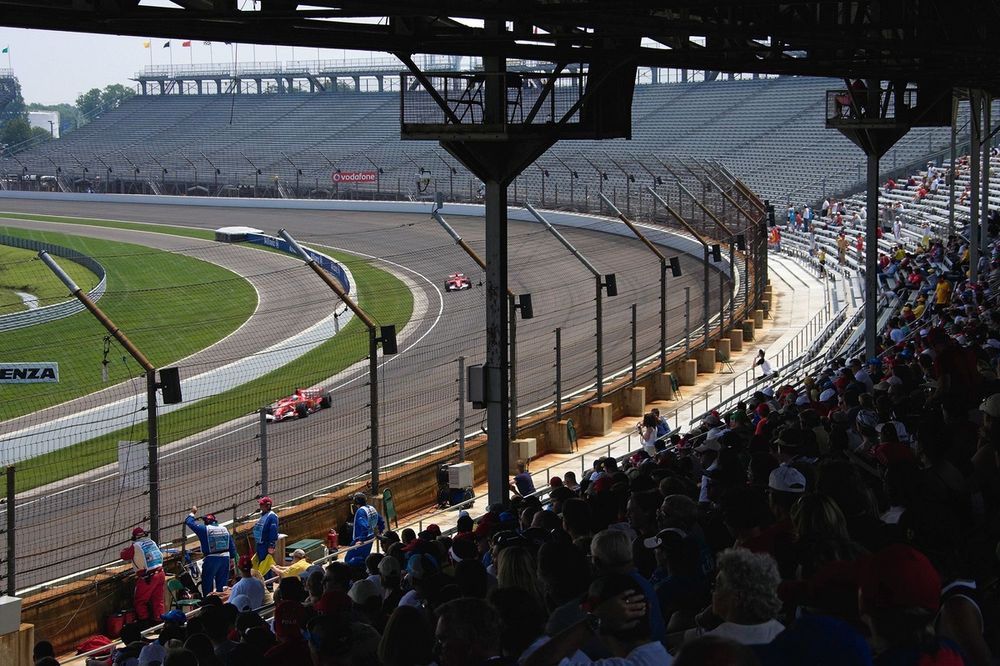
- 3. Indianapolis (2000-07): Brought F1 back to the U.S. after a nine-year absence, drawing massive crowds. Its use of the famous oval's banking (Turn 1) was unique, providing overtaking opportunities. The event was marred by the 2005 tire debacle but also featured classics, like the 2007 duel between Fernando Alonso and Lewis Hamilton.
- 2. Long Beach (1976-83): Widely considered one of the best street circuits ever, with a fantastic setting. It produced dramatic moments like Mario Andretti's 1977 home win and John Watson's legendary charge from 22nd on the grid to victory in 1983—a record for the lowest winning grid position. Its loss to IndyCar after 1983 remains a great "what if" for F1.
- 1. Watkins Glen (1961-80): The definitive American F1 home for two decades, hosting 20 Grands Prix. A flowing, charismatic track with elevation changes, it witnessed first wins for legends like Jochen Rindt and Emerson Fittipaldi, Graham Hill's hat-trick, and Gilles Villeneuve's masterclass in the wet. Its era ended with the tragic deaths of drivers François Cevert and Helmut Koinigg, and the circuit is now considered unsuitable for modern F1 without major alterations.
The Big Picture:
The history of F1 in America is a tale of searching for the right fit. These circuits represent phases of trial, fleeting success, and occasional brilliance. Their stories—from the sustained glory of Watkins Glen to the promising but abbreviated tenures of Long Beach and Indianapolis—underscore how difficult it was to build consistent momentum. Today's trio of purpose-built American events benefits directly from these historical lessons, finally achieving the critical mass and commercial stability that eluded the sport for decades.
Original Article :https://www.motorsport.com/f1/news/top-five-american-f1-circuits/10801401/