




Principle Over Passion: Why Jean Todt Denied Ayrton Senna a Ferrari Drive
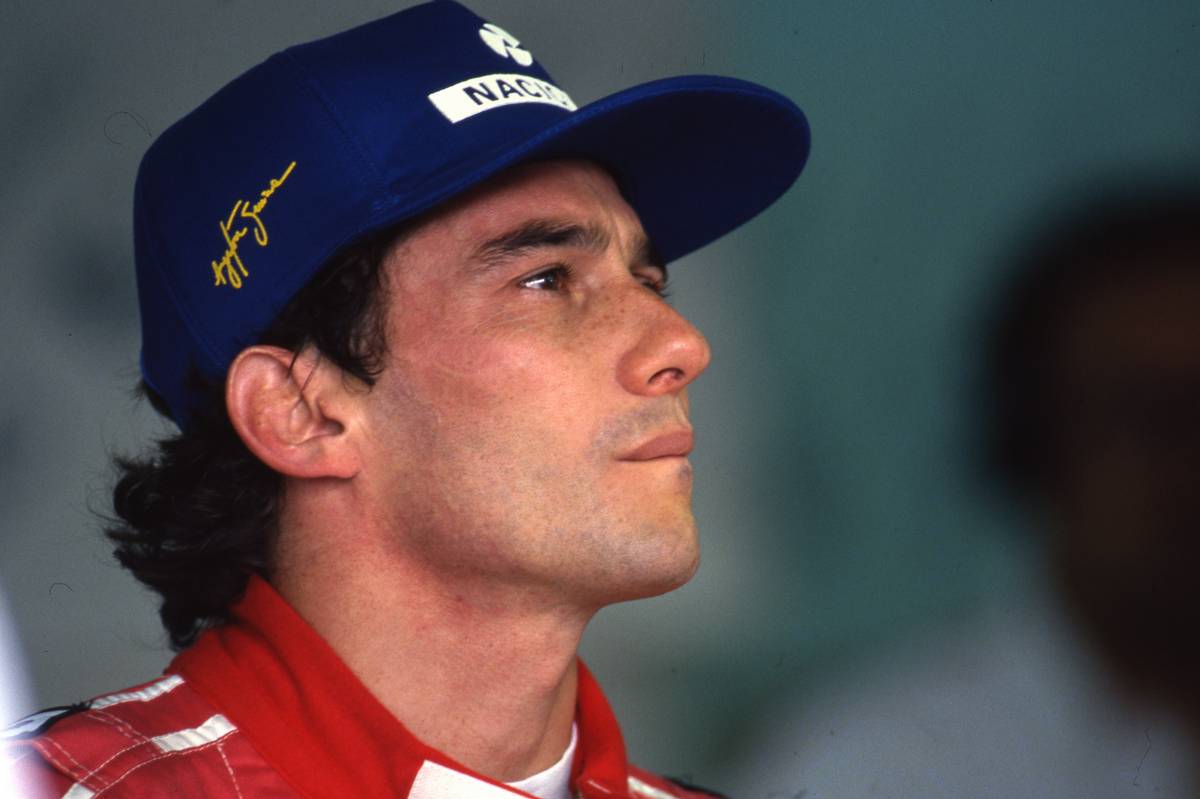
In 1993, a late-night meeting at Monza between Jean Todt and Ayrton Senna could have changed Formula 1 history, but Todt's unwavering principle—honoring existing contracts with his drivers—blocked the Brazilian legend from joining Ferrari for the 1994 season. This decision, driven by integrity over immediate competitive gain, sent Senna to Williams and cemented a pivotal 'what if' moment in the sport's lore.
Why it matters:
This story highlights a rare moment where contractual loyalty and long-term team-building philosophy overrode the chance to sign arguably the greatest driver of the era. It underscores the foundational principles Todt brought to a struggling Ferrari, which later became the bedrock for the Michael Schumacher-led dynasty. The decision also irrevocably altered the trajectory of both Senna's final season and Ferrari's rebuilding process.
The details:
- The Setting: The pivotal discussion occurred during the 1993 Italian Grand Prix weekend at Monza, in Todt's hotel room late at night.
- Senna's Motivation: Disillusioned with McLaren's declining competitiveness, Senna actively sought the Ferrari drive as a new challenge and reportedly "wanted to come."
- The Sticking Point: Senna wanted the seat for the 1994 season. However, Todt refused to break the existing contracts held by drivers Jean Alesi and Gerhard Berger.
- A Clash of Philosophies: Senna argued that "Formula 1 contracts are not important," reflecting the period's more fluid driver market. Todt firmly countered, "For me, a contract is important," establishing his governance style.
- The Immediate Consequence: Unable to secure the Ferrari seat, Senna signed with the dominant Williams team for 1994.
The big picture:
Todt's arrival at Ferrari in 1993 was itself a risky move, with many warning him the role was a "career-ending trap." His refusal to sideline Alesi and Berger for Senna was an early, defining act of his mission to rebuild the team with stability and respect for agreements, rather than seeking a quick fix. While Senna's tragic death at Imola in 1994 casts an immense shadow over this historical fork in the road, Todt's methodical approach eventually paid off. It created the structured environment that later attracted Michael Schumacher, who would fulfill the role of Ferrari's legendary champion that Senna had once coveted. The episode remains a powerful testament to how principle, timing, and personal conviction can shape sporting destiny.
Original Article :https://f1i.com/news/563043-when-principle-beat-passion-why-todt-denied-senna-a-...