



Oliver Bearman's 50G Suzuka crash highlights F1's dangerous speed differentials
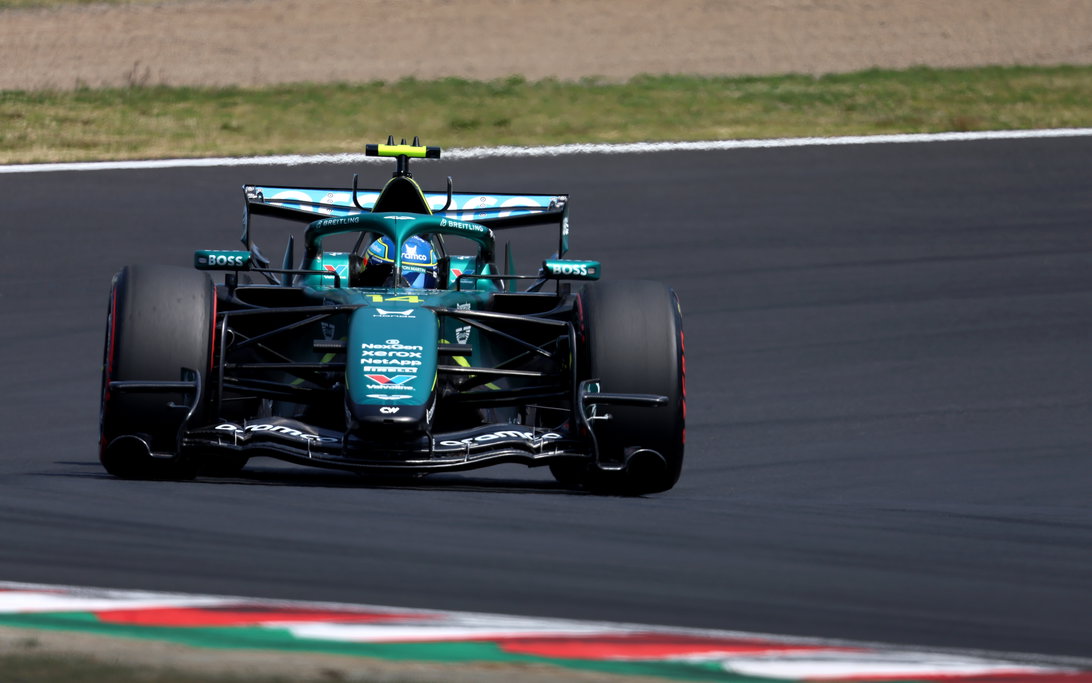
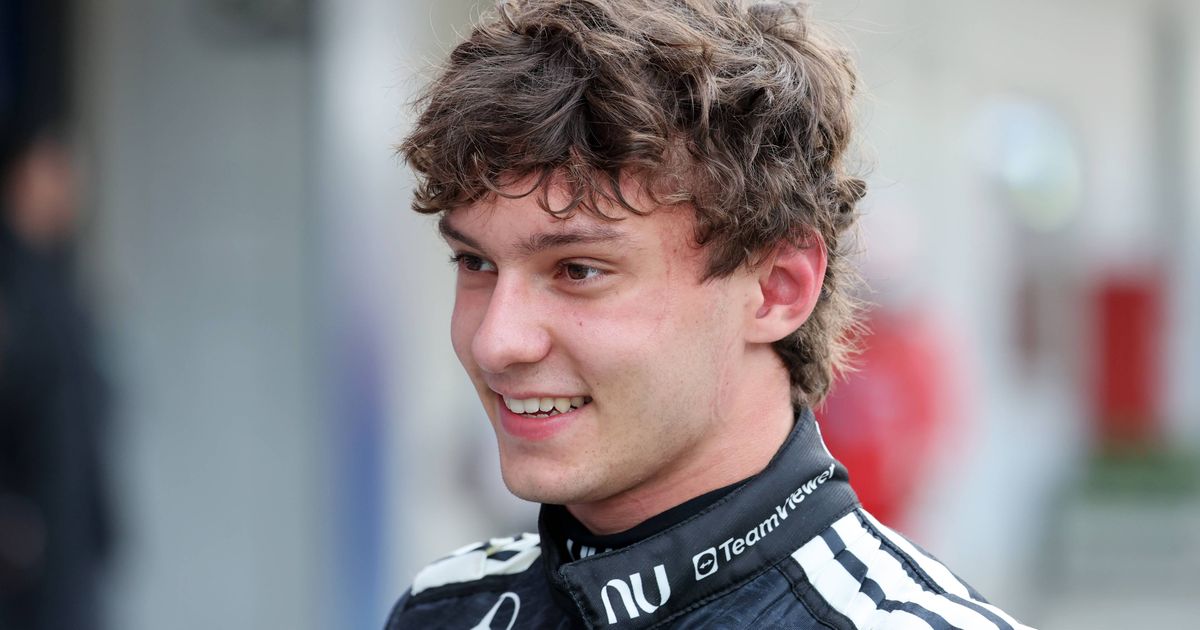
Oliver Bearman's high-speed crash at the Japanese Grand Prix, resulting from a massive 45km/h speed difference with the car ahead, has raised urgent questions about safety in Formula 1's new era. The Haas driver's 50G impact into the barriers at Suzuka's Spoon curve—a corner not traditionally an overtaking spot—underscores a new risk created by the current generation of cars and DRS. While Bearman escaped with only a knee contusion, the incident serves as a stark warning about the potential consequences of these extreme closing speeds, especially at circuits with walls closer to the track.
Why it matters:
This crash is a direct symptom of the current regulatory environment, where DRS and car performance create vast speed differentials that can catch drivers unaware. The incident occurred at a corner where defending isn't expected, highlighting how traditional racing instincts and mirror checks may no longer be sufficient. With the calendar moving to tighter street circuits like Miami, the sport must balance the entertainment of close racing with fundamental driver safety.
The details:
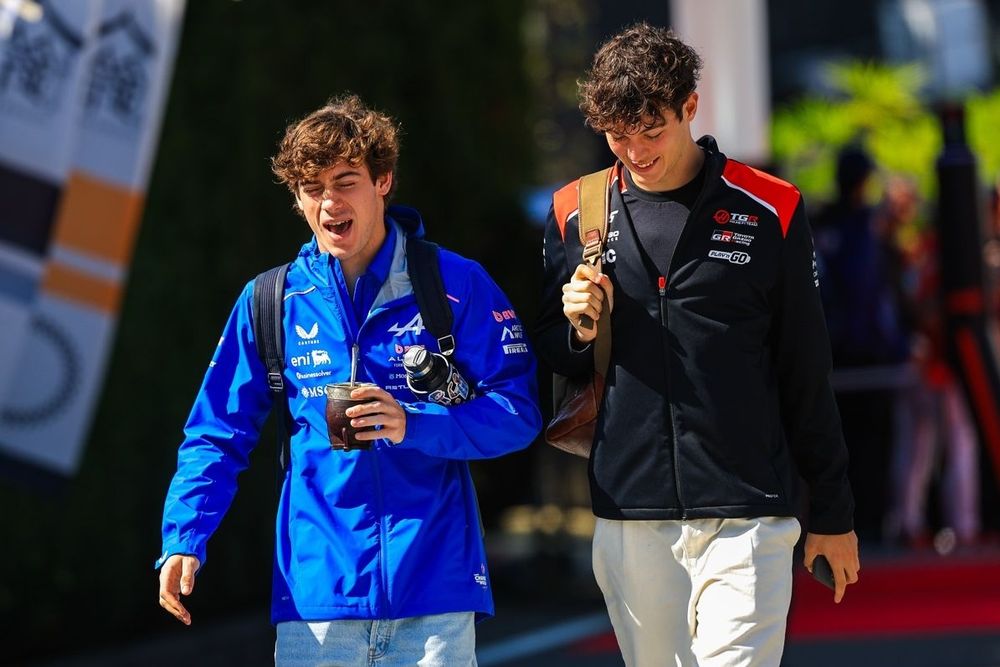
- The critical factor was a 45km/h speed difference between Bearman's Haas and Franco Colapinto's Alpine as they approached the Spoon curve. Bearman, with DRS open, was traveling at what Colapinto later described as an unpredictable and "dangerous" closing rate.
- Colapinto stated he had no way of knowing how much quicker Bearman was in that moment. "We look in the mirror once—and suddenly the other car has gone past you already. You get a bit lost with that," the Alpine driver explained, pointing to a key sensory challenge for the driver being overtaken.
- The crash spot is not a conventional overtaking zone, making the move and its defense unconventional. This disrupted the typical spatial awareness and expectations both drivers rely on.
- Bearman's impact was measured at 50G, but the outcome—a knee contusion—showcases the immense progress in F1 safety since past tragedies at the circuit. However, it also underscores that the safety structures are being tested by these new types of incidents.
What's next:
The incident is likely to accelerate discussions between the FIA and F1 teams regarding the risks posed by extreme speed differentials, particularly from DRS. The upcoming five-week break provides a critical window for analysis before the championship moves to more confined circuits.
- Immediate focus will be on qualifying formats and DRS regulations, seeking ways to mitigate these dangerous deltas without neutering the racing.
- The crash acts as a catalyst for data review. With three races of the new season providing initial evidence, Suzuka's clear example will be central to technical and sporting working group meetings.
- The sport faces a complex challenge: preserving overtaking opportunities that fans enjoy while ensuring that the manner in which they occur does not compromise driver safety. Bearman's crash has made the stakes of that balance undeniably clear.
Original Article :https://www.motorsport.com/f1/news/who-slept-best-last-night-franco-colapinto/10...