




Verstappen frustrated by 2026 F1 rules, hints at safety concerns after Suzuka struggle
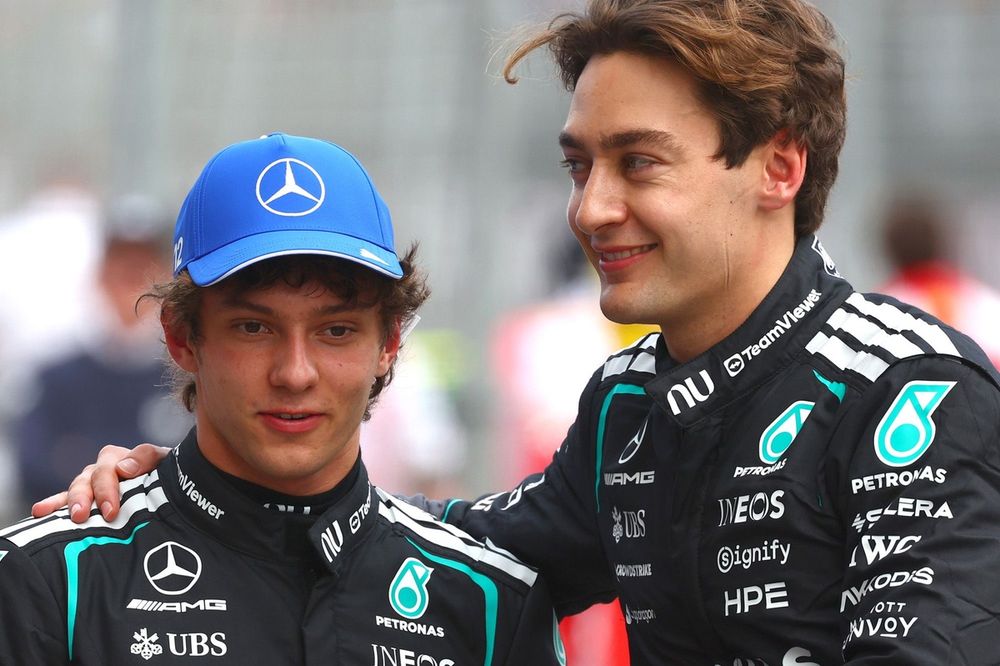
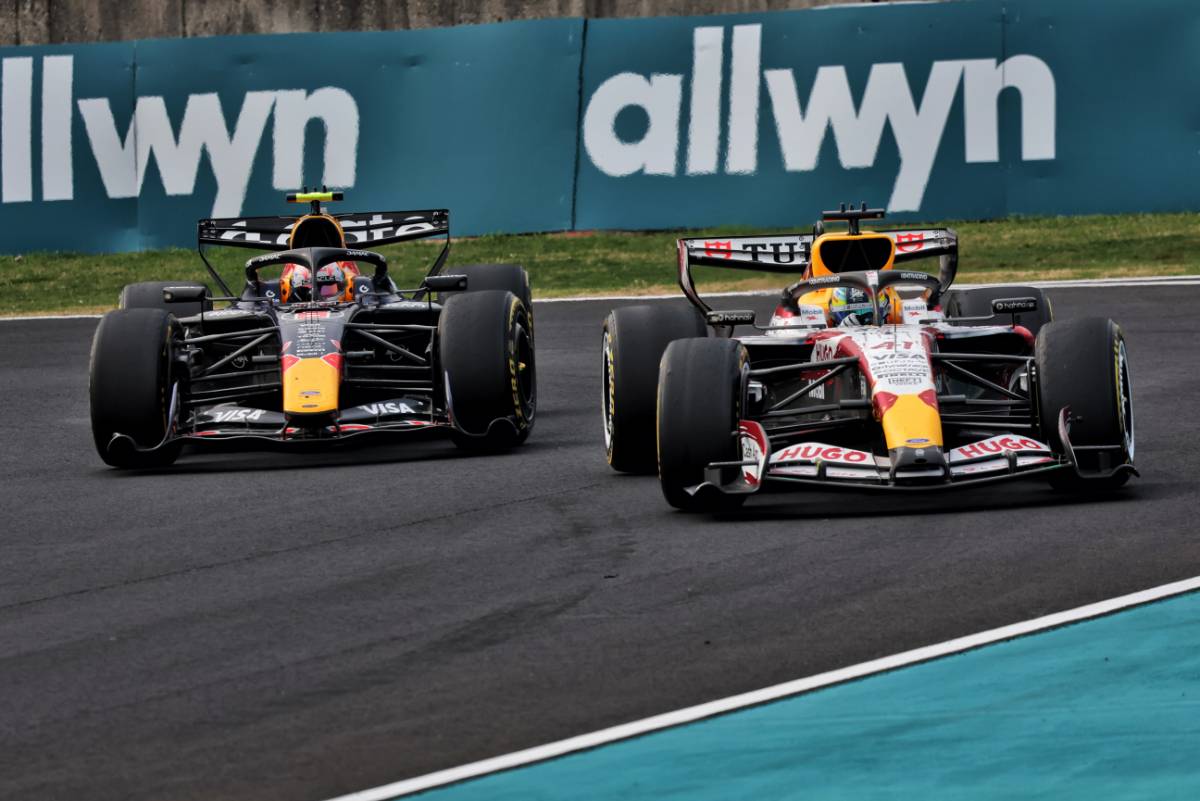
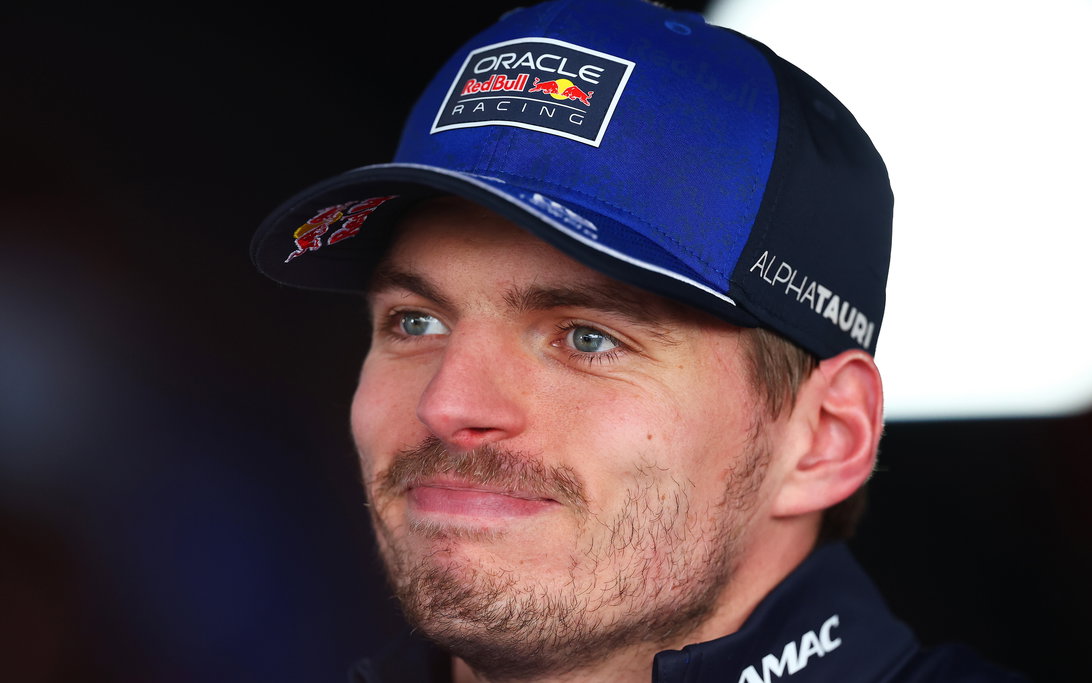
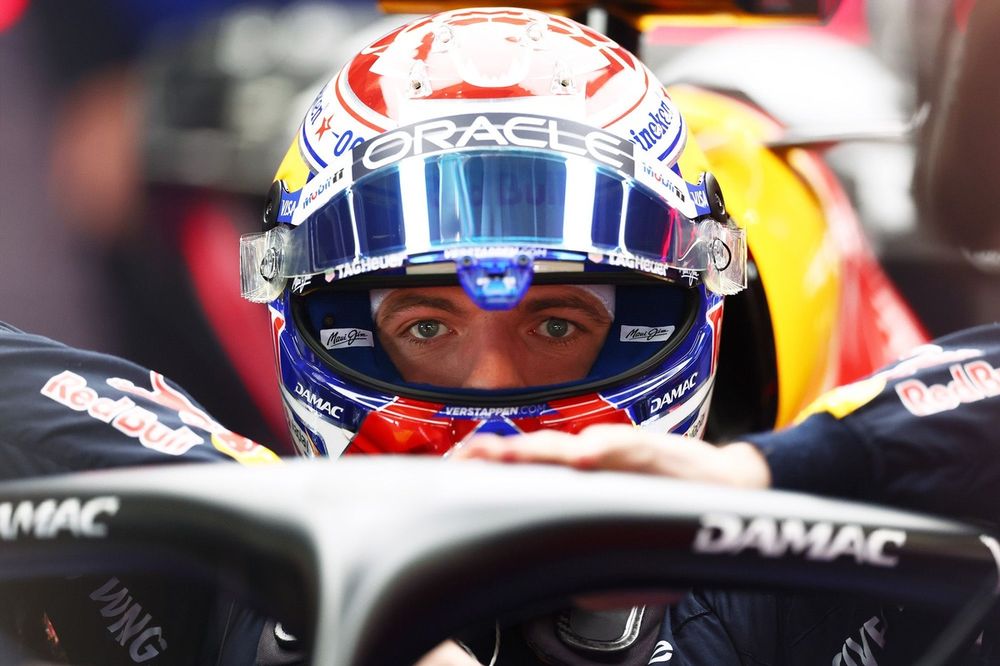
Three races into the 2026 Formula 1 season, Max Verstappen finds himself a distant ninth in the championship with just 12 points, as his Red Bull struggles with the sport's new technical regulations. The four-time world champion expressed deep frustration after the Japanese Grand Prix, where he was eliminated in Q2 and spent the race stuck behind an Alpine, unable to overtake due to restrictive energy management rules. Verstappen also pointed to Oliver Bearman's massive 50G crash at Suzuka as a symptom of the dangerous speed differentials created by the new power unit formula, sarcastically suggesting the FIA might need to invoke 'safety' to force changes.
Why it matters:
Verstappen's public disillusionment and the visible on-track dangers highlight a potential crisis for F1's new era. The 2026 regulations, designed to promote closer racing and sustainability, are instead creating processional races and significant safety risks due to extreme performance gaps between cars in different energy modes. With the sport's biggest star questioning his future motivation, the pressure is mounting for swift regulatory intervention.
The details:
- An Uncompetitive Package: Verstappen confirmed Red Bull's struggles are holistic, stating "we definitely have a lot more work to do on the car" and citing stability issues with a new package brought to Suzuka.
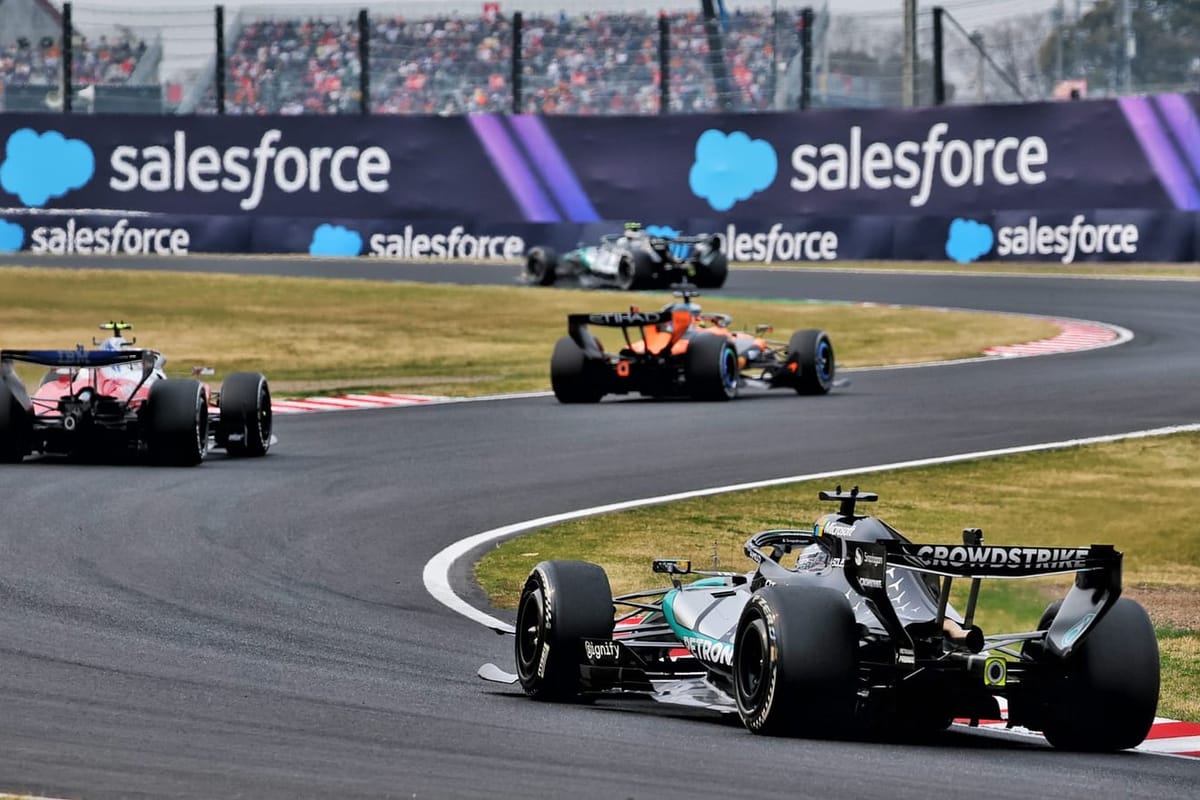
- The Overtaking Problem: The core issue is energy management. Drivers cannot deploy battery power to overtake on one straight without being left defenseless on the next, as there's insufficient time to recharge. Verstappen described passing Pierre Gasly only to immediately lose the position because he had "no battery the next straight."
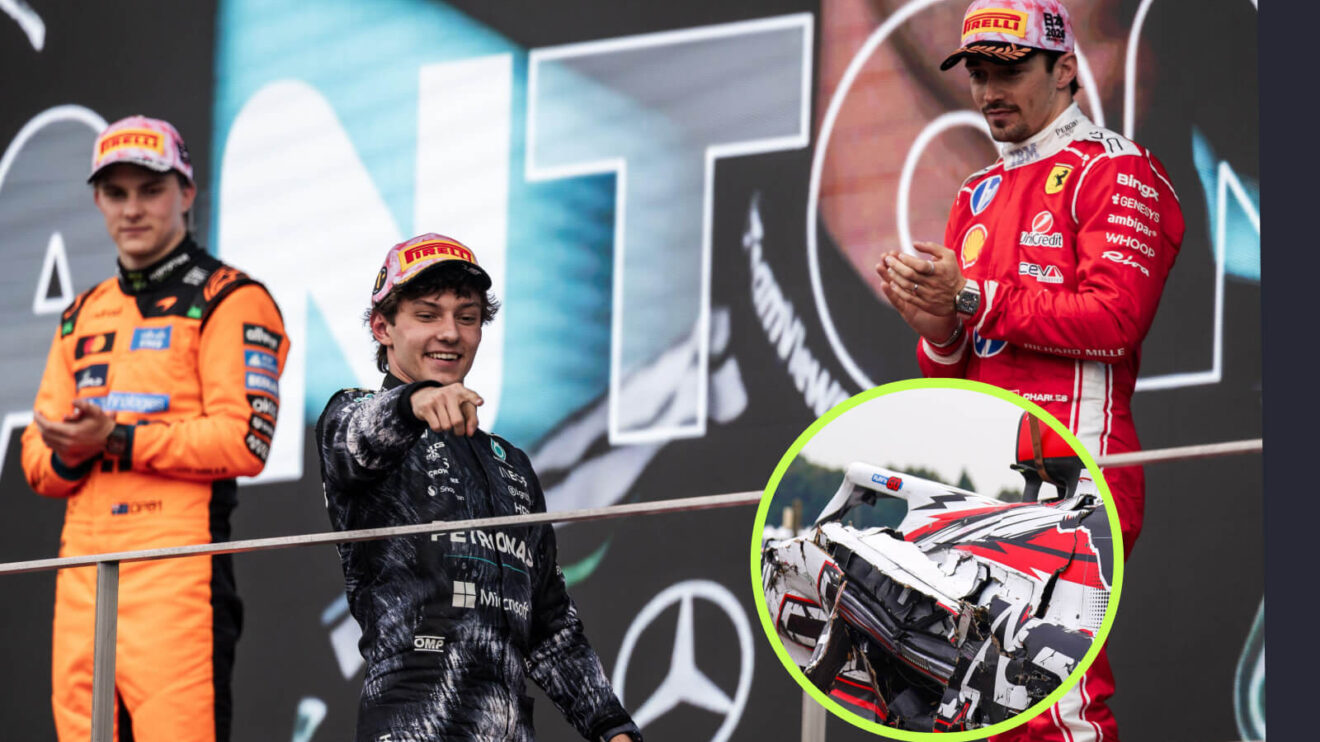
- A Dangerous Differential: The incident involving Oliver Bearman and Franco Colapinto, with a 45 km/h closing speed, exemplified the hazard. Verstappen noted that when one car is "stuck with no power" and another uses full 'mushroom mode', the difference can be 50-60 km/h, creating unpredictable and dangerous situations akin to "moving under braking."
- A Compromised Experience: The legendary Suzuka circuit felt fundamentally different. Drivers cannot take corners like 130R flat-out because the battery cuts, artificially slowing the car. Verstappen lamented that to go faster in qualifying, you now "need to basically go slower."
What's next:
The clock is ticking for the FIA and Formula 1 to address these fundamental flaws. Verstappen's thinly-veiled suggestion that 'safety' could be used as a lever for change indicates the growing urgency.
- Short-Term Focus: Red Bull and Verstappen will use the upcoming break to understand their problematic new package and seek more stability and better deployment calibration.
- Regulatory Pressure: The driver's pointed comments add to a chorus of criticism from teams and other drivers, increasing the likelihood of mid-season rule tweaks, especially regarding energy deployment and overtaking modes.
- A Broader Question: Beyond immediate fixes, Verstappen's waning motivation—"Every day I wake up I convince myself again"—poses a longer-term challenge for the sport if its premier competition remains fundamentally unenjoyable for its best performers.
Original Article :https://www.motorsport.com/f1/news/max-verstappens-take-on-red-bulls-problems-ol...