



Oliver Bearman details recovery from 50G Suzuka crash
Haas driver Oliver Bearman has confirmed he is fully recovered from the massive 50G impact he suffered at the Japanese Grand Prix, though he admitted the immediate aftermath made for a painful journey home. The British rookie is now focused on returning to the cockpit for the Miami Grand Prix after a crash that has reignited discussions about safety in Formula 1's 2026 regulations.
Why it matters:
High-speed crashes are an inherent risk in motorsport, but the specific dynamics of Bearman's incident—a massive speed differential leading to a sudden, high-G impact—highlight ongoing challenges in driver protection and circuit safety. His swift physical recovery is positive, but the crash serves as a critical data point for teams and the FIA as they finalize the next generation of technical and safety regulations.
The details:
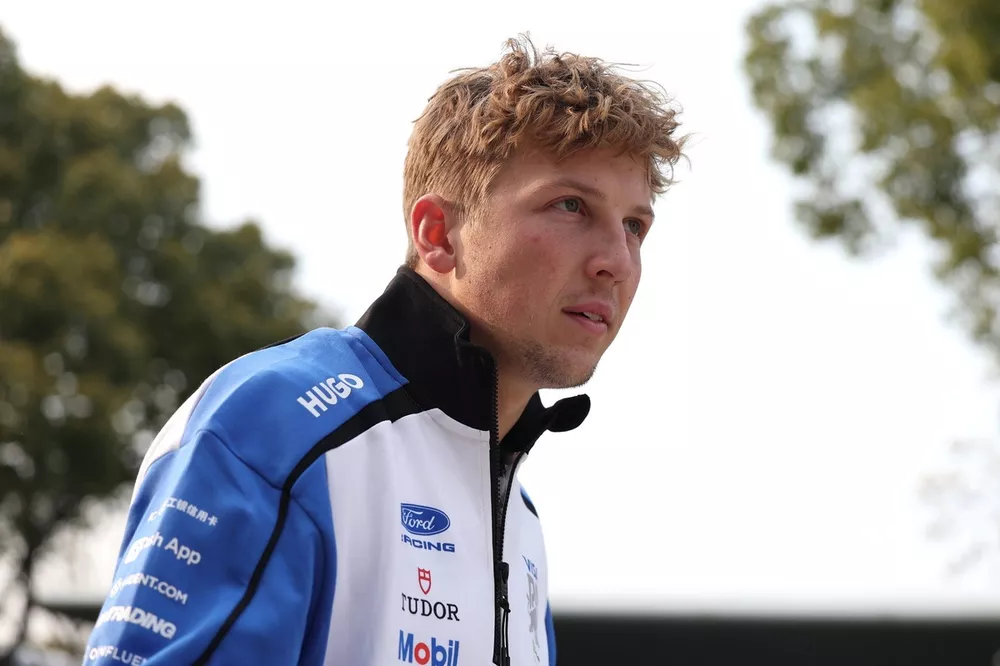
- The crash occurred at Suzuka's Spoon Curve when Bearman, battling Alpine's Franco Colapinto, was caught out by a significant closing speed difference.
- Data showed Bearman traveling at approximately 308 km/h while Colapinto maintained a much slower, consistent speed from the previous lap.
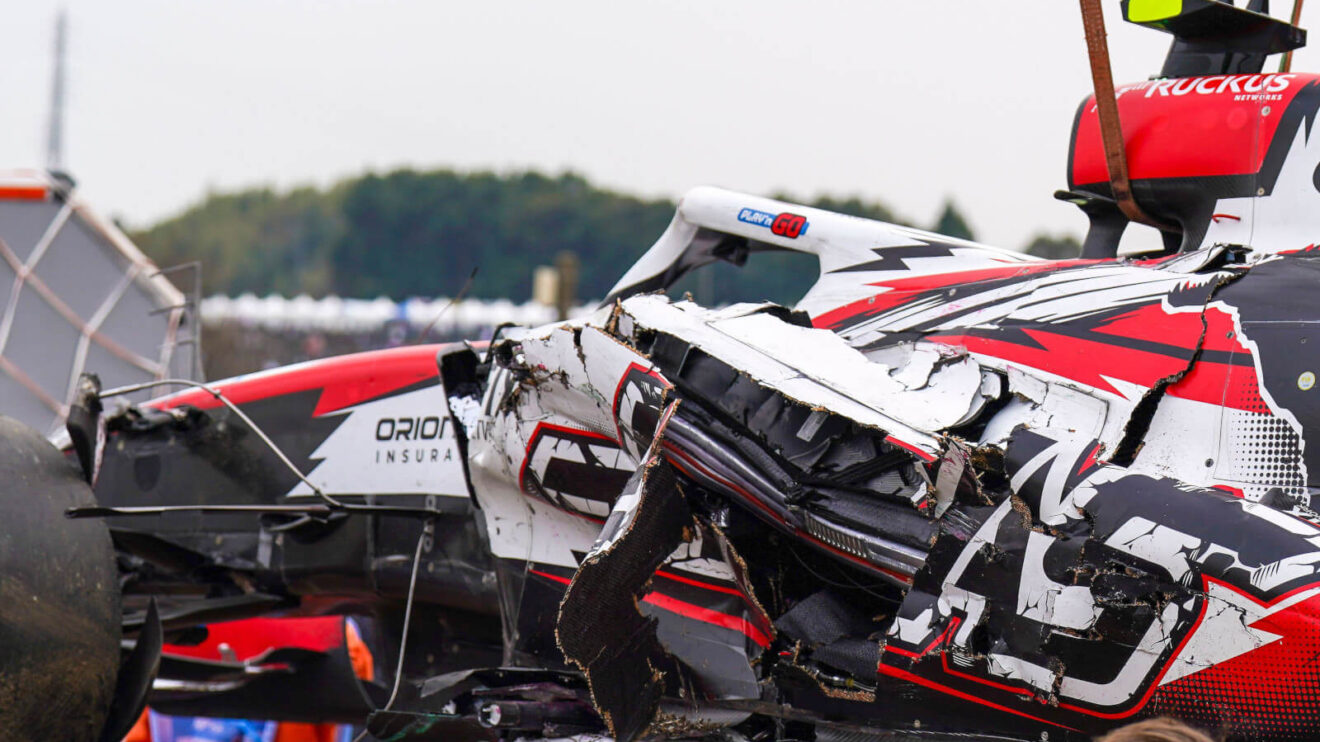
- Forced to take evasive action, Bearman went onto the grass, lost control of his Haas VF-26, and slid sideways into the barrier.
- The impact was recorded at 50G, a severe force that required a trip to the medical center.
- X-rays confirmed no broken bones, diagnosing only a contusion (severe bruising) to his right leg.
What's next:
Bearman's immediate focus is on the upcoming Miami Grand Prix, where he will return to race duty. On a broader scale, the crash has accelerated talks around the 2026 regulations, with teams and the FIA holding a series of meetings in April. The incident is likely to influence final decisions on car design, particularly concerning electrical system safety and overall crash structure, ahead of the new rules cycle.
Original Article :https://www.planetf1.com/news/oliver-bearman-japanese-gp-crash-recovery-50g-impa...