



Norris Criticizes 2026 F1 Cars as 'Worst Ever' Amid Battery Rule Frustration
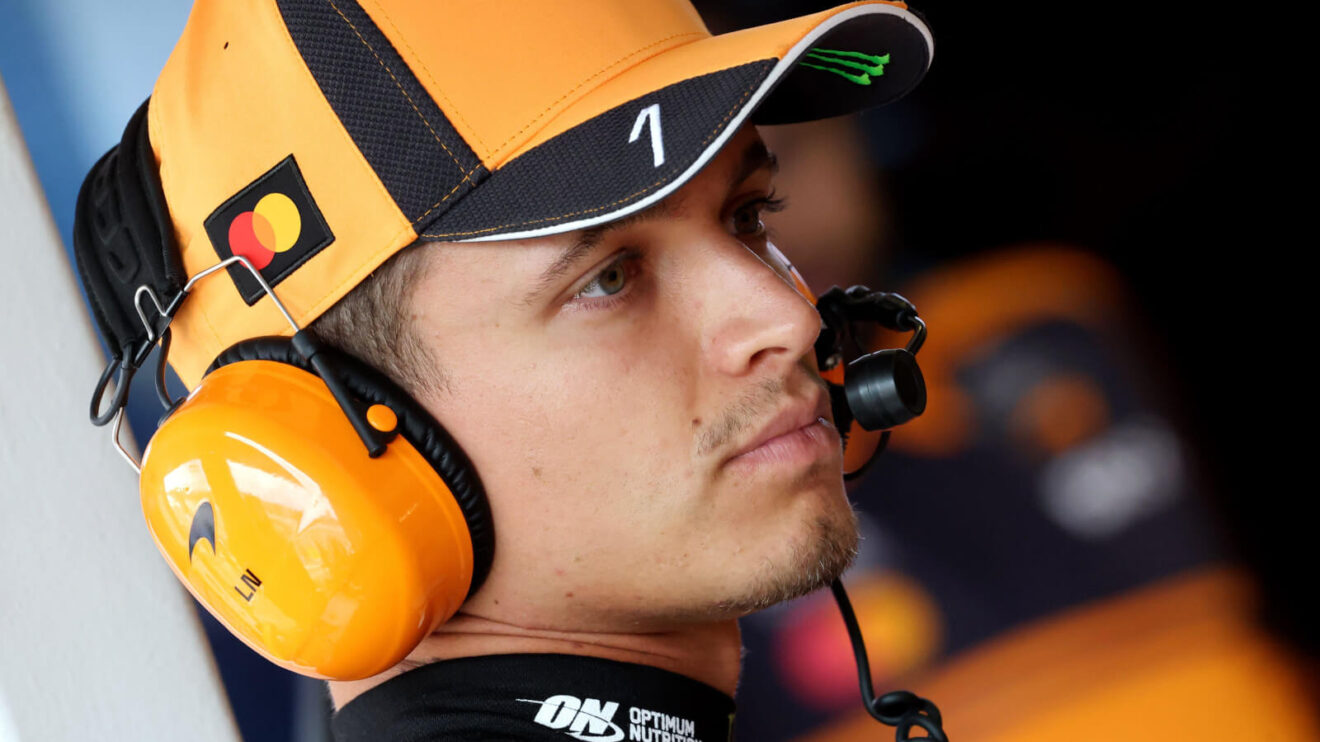
Lando Norris has launched a blistering critique of Formula 1's new 2026 technical regulations, calling the current cars the "worst" he has ever driven. The McLaren driver's frustration centers on the 50/50 power split between combustion and electrical energy, which he claims forces drivers to focus excessively on battery management at the expense of racing and safety.
Why it matters:
Norris's vocal criticism, echoed by many drivers, highlights a significant disconnect between the sport's technical direction and the on-track product. The 2026 rules, designed to attract new manufacturers and promote sustainability, are creating cars that drivers find difficult and unnatural to drive, potentially compromising the quality of racing and driver safety as competitors are distracted by complex energy management tasks.
The details:
- Norris's primary complaint is the 50/50 power split, which he states "just doesn't work." He explains that drivers must constantly lift off the throttle before corners to manage battery state-of-charge, disrupting the natural flow of a lap.
- A Safety Hazard: The Briton revealed his qualifying incident—hitting debris from Kimi Antonelli's car—was a direct result of the new rules. He was looking at his steering wheel to manage battery deployment and didn't see the debris on track.
- "I have to look at what speed I’m going to get at the end of the straight and know if I need to brake 30 metres earlier, 10 metres later," Norris said, calling it a fundamental problem.
- A Step Backward: The reigning world champion starkly contrasted the new cars with their predecessors: "We’ve come from the best cars ever made in Formula One, and the nicest to drive to probably the worst."
- Widespread Discontent: Norris indicated the frustration is nearly universal in the paddock, mentioning a "quite opinionated" drivers' meeting and suggesting all 20 drivers have complaints. He framed the drivers' concerns as being for the good of the sport's spectacle, contrasting them with the manufacturers' interests that drove the rule changes.
Between the lines:
The core tension exposed here is between Formula 1's commercial and technical roadmap and the fundamental sporting experience. The 2026 power unit regulations were crafted to ensure the participation of current power unit suppliers like Audi and attract new ones, prioritizing road-relevant hybrid technology. However, the drivers' unified front suggests the sport's stakeholders may have underestimated the negative impact on drivability and racecraft. Norris's pointed comment that Mercedes' advantage is partly due to it being "their own engine" also hints at a potential competitive imbalance emerging from the new complexity.
What's next:
The early criticism in the 2026 season will put immense pressure on the FIA and Formula 1 to review and potentially adjust the regulations. While major technical overhauls mid-cycle are unlikely, the unified voice of the drivers is a powerful force. The sport's leaders will need to carefully balance the long-term technical and commercial goals with the immediate need for a compelling, safe, and driver-centric competition. Teams like McLaren will be working intensely to understand and optimize their packages around the challenging new constraints.
Original Article :https://www.planetf1.com/news/lando-norris-f1-2026-power-unit-rules-drivers-look...