




McLaren Sees 'Lot of Lap Time Available' as Team Studies Mercedes Power Unit
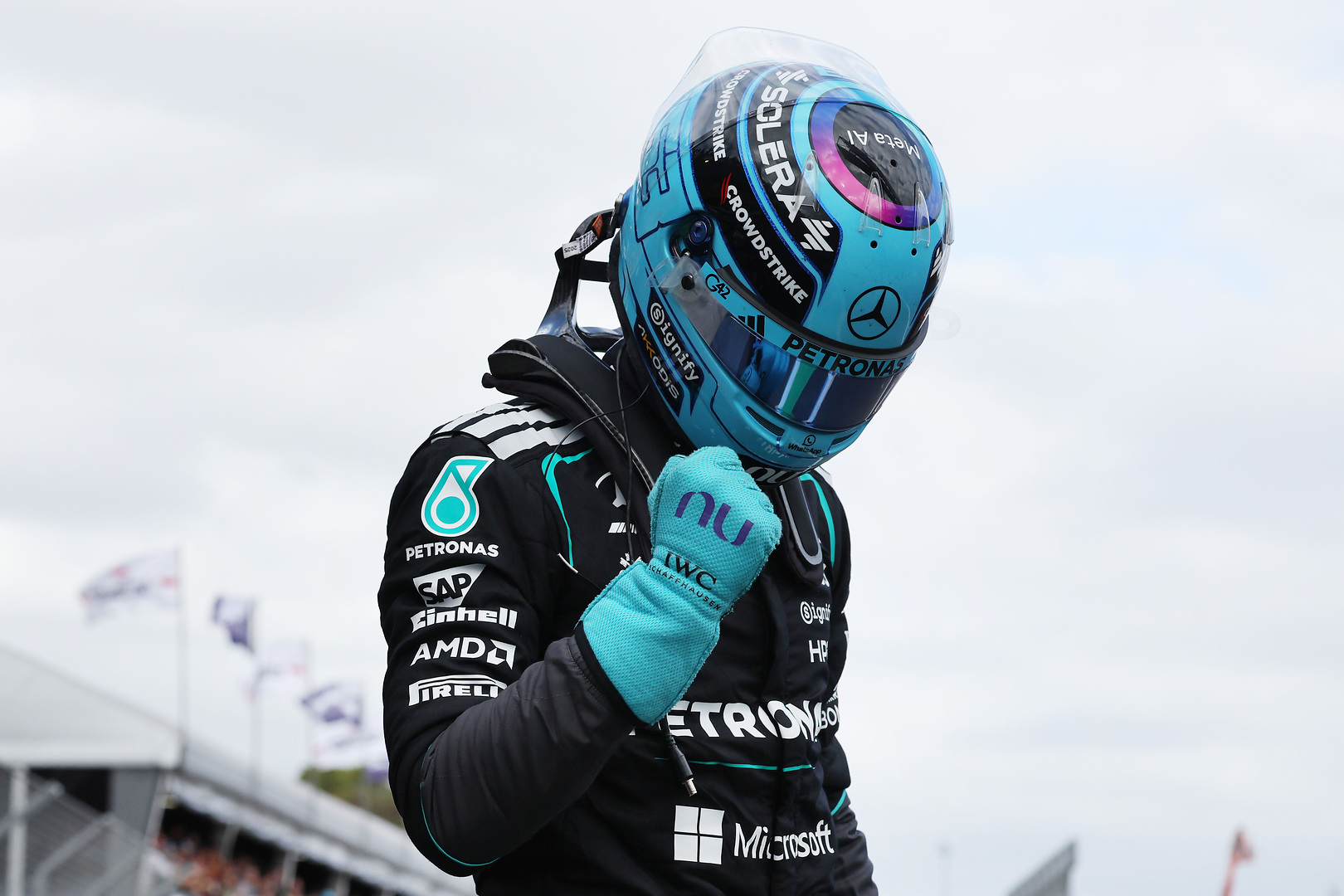
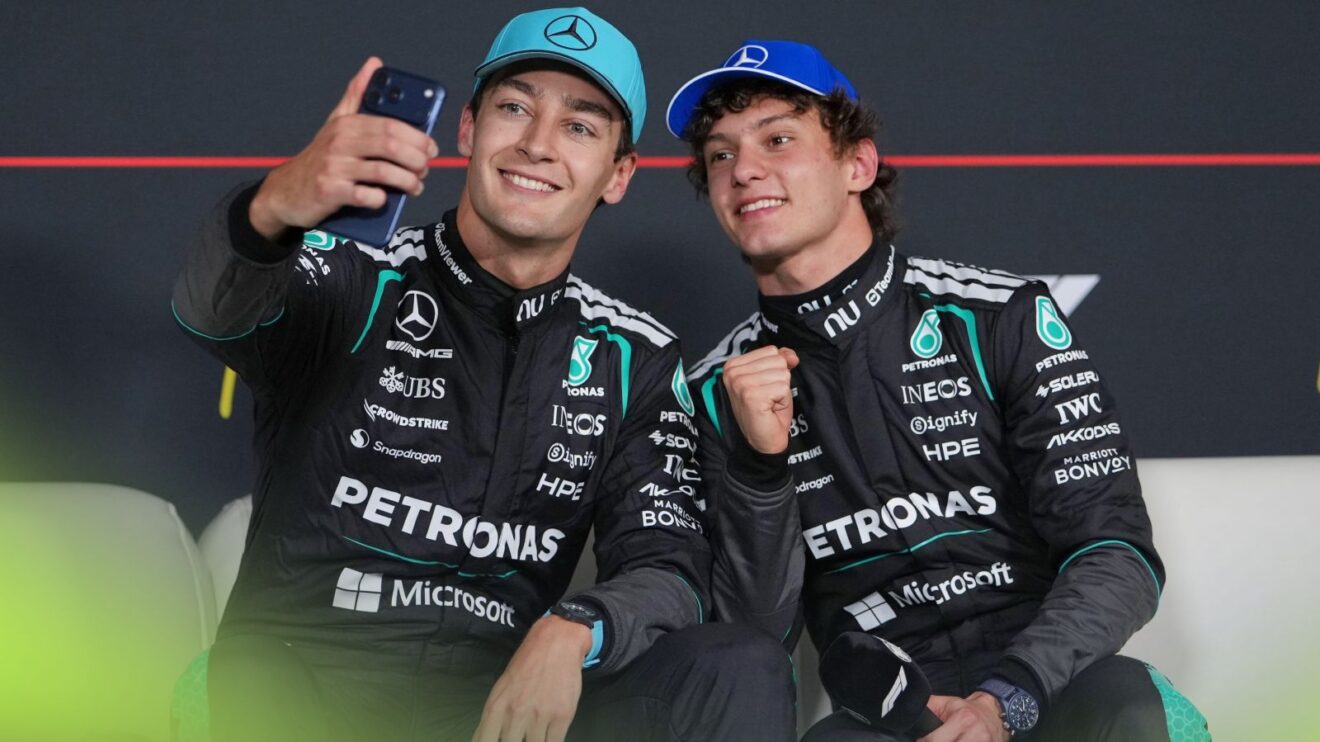
McLaren Team Principal Andrea Stella has identified a significant performance gap in how his team utilizes the Mercedes power unit compared to the factory team, but views it as a positive sign of potential gains. After Mercedes locked out the front row in Australian GP qualifying while McLaren took the third row, Stella emphasized that learning to fully exploit the new-generation PU is a key unlock for future speed.
Why it matters:
In F1's new regulatory era with a heavy emphasis on electrical energy deployment, mastering the intricate software and driving techniques required to optimize the power unit is as critical as raw horsepower. For a customer team like McLaren, this creates an initial knowledge deficit against the manufacturer, but also represents a clear and substantial area for performance improvement without needing a hardware upgrade.
The Details:
- The performance delta was highlighted in Melbourne, where George Russell's pole lap for Mercedes was eight-tenths faster than Oscar Piastri's best effort for McLaren.
- Stella confirmed that post-qualifying analysis focused intensely on understanding how Mercedes extracted more from the same PU hardware, using GPS and other data from the representative session.
- The Learning Curve: Stella explained that being a customer team inherently puts you on the back foot in terms of operational knowledge. "This doesn’t have to do with the hardware. This is more to do with learning about the hardware and identifying the best way to exploit it," he said.
- A New Language: He described the process as learning "a new language and also a new way of thinking," involving sensitive driver inputs and strategic energy management on preceding straights to maximize deployment on the following straight.
- Not Just the PU: Stella was clear that the power unit exploitation is only one part of the gap. Mercedes also demonstrated superior grip in corners, indicating a higher level of downforce on their car that McLaren must match aerodynamically.
What's next:
McLaren's path forward is two-fold: deepening collaboration with Mercedes HPP to master the PU's software and deployment strategies, while simultaneously improving the MCL38's aerodynamic package to gain cornering speed. The early-season data from Australia provides a crucial benchmark. If the team can close this operational knowledge gap, the 'available lap time' Stella identified could translate into a significant step forward in competitiveness.
Original Article :https://www.planetf1.com/news/mclaren-performance-andrea-stella-mercedes-pace-ge...