




Norris Calls for Reduction in F1 Electronics Following Malaysia Software Failures
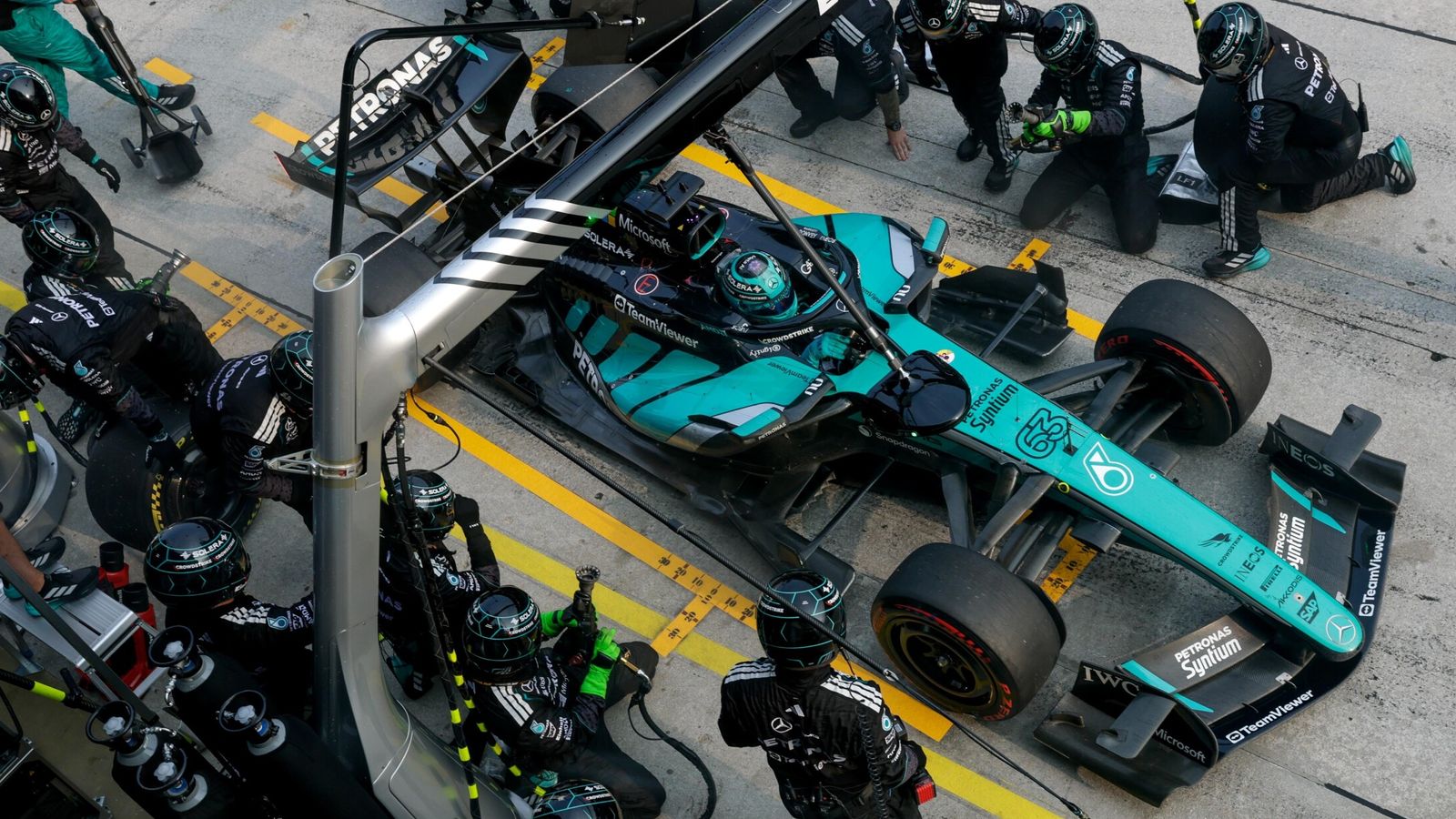
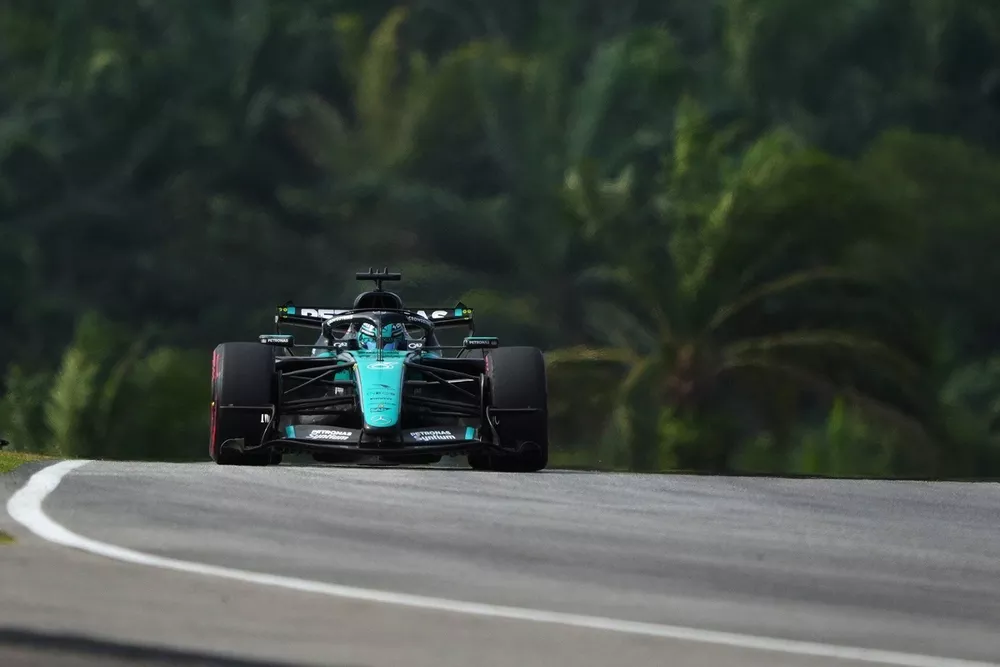
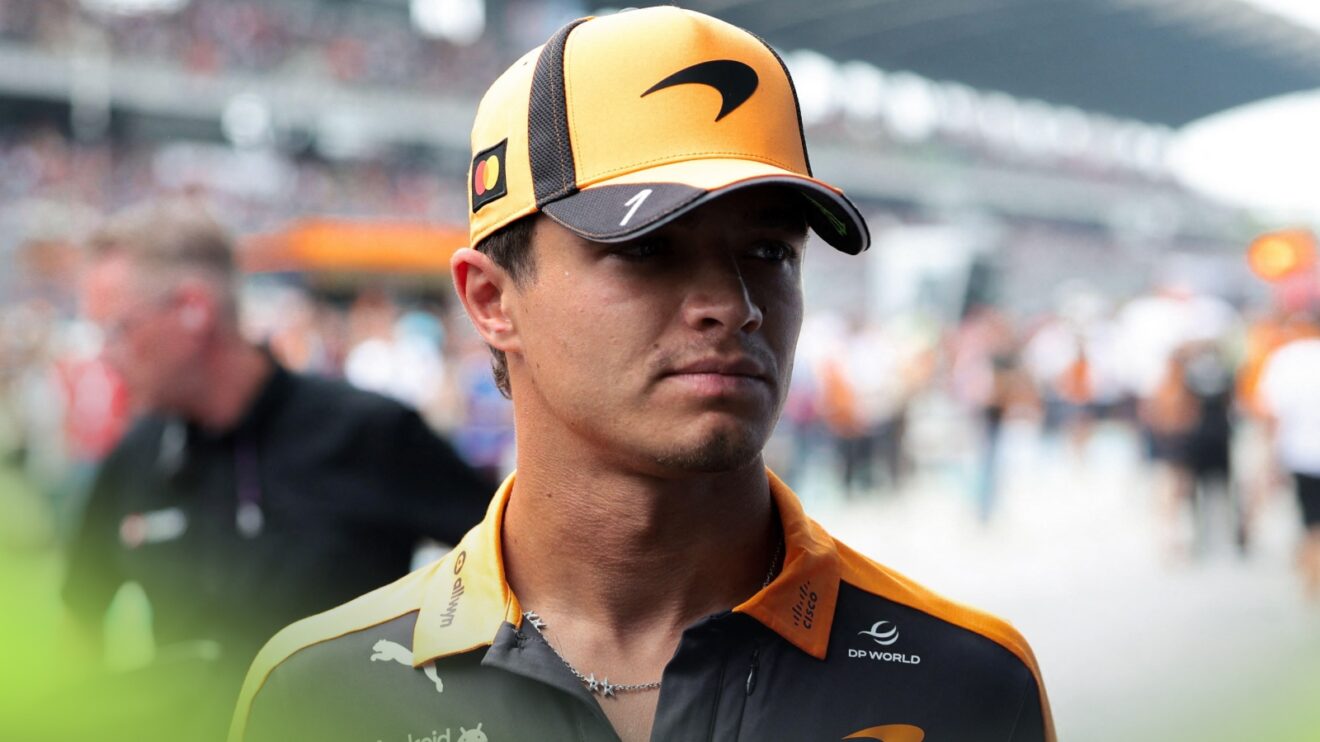
Lando Norris has voiced strong opposition to the complexity of Formula 1's 2026 electronic systems following a chaotic weekend in Malaysia. Software failures that stripped drivers of car control have sparked a growing debate over whether the pursuit of manufacturer appeal has come at the expense of racing purity.
Why it matters:
The new 2026 regulations were designed to attract industry giants like Audi and Cadillac, but the implementation has introduced "yo-yo racing" and unpredictable power delivery. When electronic coding dictates performance more than driver input, the fundamental nature of the sport is called into question, potentially compromising both the spectacle and driver safety.
The details:
- System Instability: Software glitches during a wet formation lap in Malaysia left drivers struggling for basic control, an experience Norris described as "horrible."
- Energy Depletion: Cars are visibly slowing on long straights once electrical energy is exhausted, leading to a disjointed racing product that has even affected TV broadcast choices.
- Safety Risks: The danger of these systems was highlighted by Valtteri Bottas' crash in Azerbaijan, where a torque spike in his Cadillac rendered him unable to brake, resulting in a heavy impact.
- Operational Delays: The Malaysia race start was delayed by over an hour, with a significant portion of that time dedicated to a mandatory software update.
The big picture:
While F1 succeeded in bringing Audi and Cadillac to the grid and ensuring Honda's continued involvement, the technical trade-off has been severe. The current reliance on intricate coding for battery management has created a disconnect between the driver and the machine, leading to a season characterized by electronic instability rather than aerodynamic or mechanical mastery.
What's next:
Norris suggests that the current trajectory is unsustainable and that the electronic framework needs a fundamental rethink. As the 2026 season progresses, pressure will mount on the FIA and Formula One Management to simplify software regulations to restore driver autonomy and prevent further catastrophic system failures.
Original Article :https://www.planetf1.com/news/lando-norris-f1-electronics-claim-bahrain-grand-pr...