


Nico Rosberg's 'nevertheless' verdict on F1 2026 criticism
2016 champion Nico Rosberg has downplayed the intense criticism of Formula 1's 2026 regulations, arguing that the exciting on-track battles they have produced outweigh the awkward driving techniques they require. Despite drivers like Max Verstappen and Charles Leclerc deriding the energy management-focused rules as "Mario Kart" racing, the season's opening races have featured multiple passes for the lead and close team fights at the front.
Why it matters:
The 2026 rules represent a fundamental shift in how F1 cars are driven, prioritizing energy harvesting over pure throttle application. This creates a tension between sporting purity and spectacle. While purists and drivers criticize the artificiality, the regulations have undeniably sparked more wheel-to-wheel action in the early races, forcing a debate on what truly defines "good racing" in the modern era.
The details:
- The core of the criticism revolves around "super clipping," where the hybrid system siphons power from the engine to charge the battery even at full throttle, forcing drivers to lift or downshift on straights.
- Driver Frustration: Top drivers have been vocal, with Max Verstappen labeling it "Mario Kart" and Charles Leclerc calling it a "f**king joke," particularly criticizing its impact on qualifying laps.
- Rosberg's Pragmatic View: The 2016 World Champion acknowledges the spectacle can be "awkward" for viewers but adopts a "nevertheless" stance, valuing the competitive battles it has enabled between top teams like Mercedes, Ferrari, and McLaren.
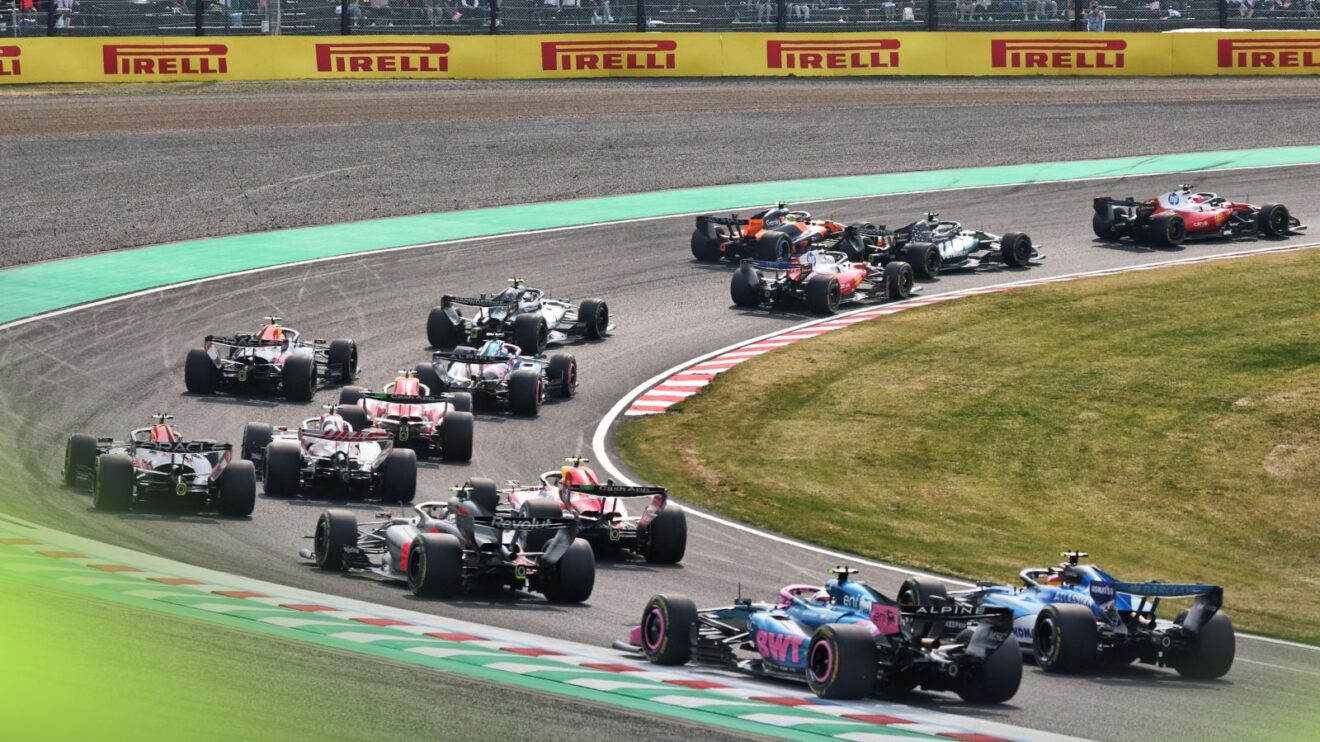
- On-Track Results: The data supports the spectacle argument. The Australian Grand Prix alone saw nine passes in the first 15 laps. All three opening races have featured genuine passes for the lead, a marked increase in action at the sharp end of the grid.
- Championship Standings: Despite the controversy, Mercedes has leveraged the rules to win all three races and lead the Constructors' Championship, but Ferrari and McLaren have been close enough to create a multi-team fight.
What's next:
The early season suggests a compromise is unfolding. The 2026 regulations are unlikely to be scrapped, meaning teams and drivers must continue to adapt. The focus will shift to which teams can optimize these complex energy management systems most effectively and whether the novelty of the overtaking will sustain fan interest over a full season. The debate between driving purity and engineered spectacle is now central to F1's immediate future.
Original Article :https://www.planetf1.com/news/f1-2026-mario-kart-criticism-nico-rosberg-battles