


Newey's public Honda criticism risks partnership, says Anderson
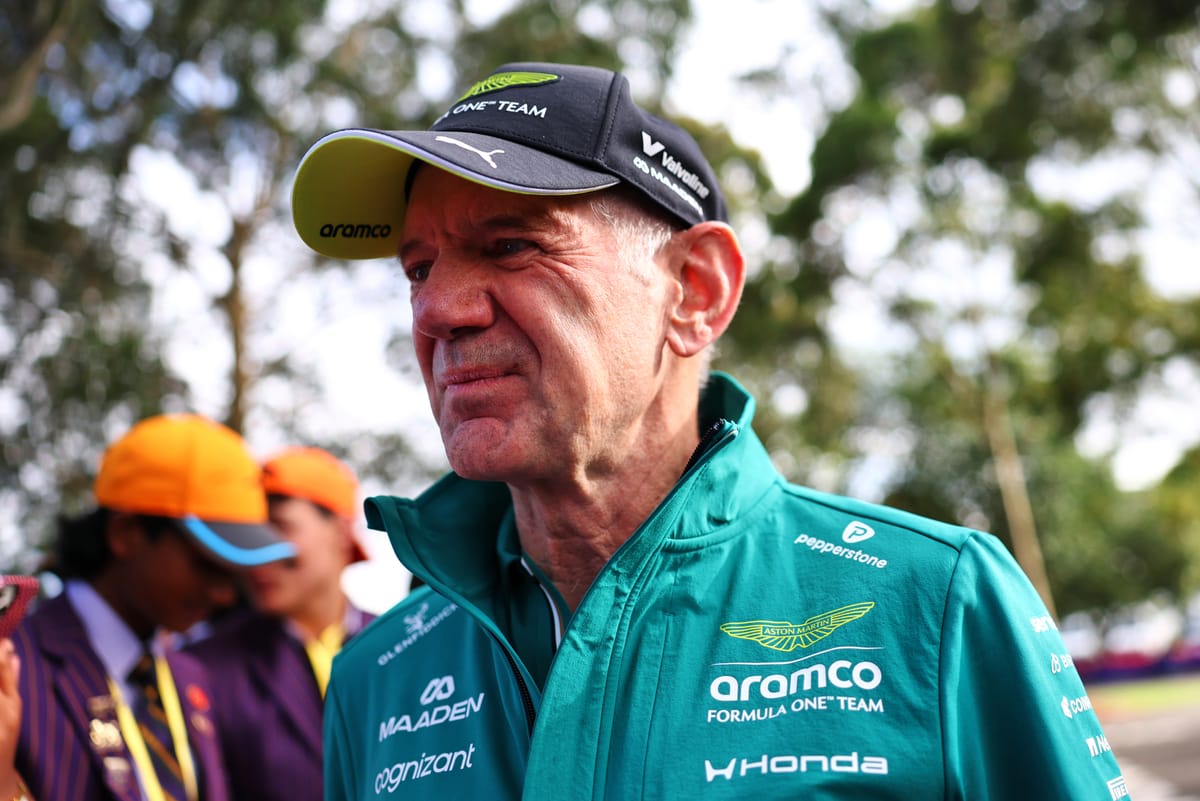
Adrian Newey's public criticism of Honda's Formula 1 project risks alienating a crucial technical partner at a time when Aston Martin desperately needs collaboration, not conflict, to solve its severe performance and reliability crisis. The team's disastrous Australian GP weekend, where its cars managed only 64 laps combined, laid bare the depth of its problems, with Newey's dual role as team principal and technical director complicating the public messaging.
Why it matters:
Aston Martin's long-term competitive future hinges on a successful partnership with Honda, its power unit supplier from 2026 onward. Public finger-pointing, especially from a figure as influential as Newey, can damage trust and hinder the open collaboration required to solve complex technical issues like the severe vibrations currently plaguing the car. History shows such dynamics, like Red Bull's past tensions with Renault, can create a destructive cycle that's hard to stop.
The details:
- Newey publicly stated Honda was not clear about the state of its F1 department when their engine deal was signed, comments unlikely to be well-received at Honda's Sakura headquarters.
- He faces a unique challenge balancing his dual roles: as team principal, he navigates politics and partnerships; as technical director, he focuses on engineering facts. This blurring of lines risks sending mixed messages.
- The core technical issue involves severe vibrations from the internal combustion engine, which are damaging the battery pack. While mitigated, the problem persists and may be exacerbated by Aston Martin's signature ultra-compact car packaging, leaving little room for anti-vibration solutions.
- Newey also suggested the engine is down on power, a separate and significant performance hurdle. Honda may get development concessions under F1's rules for underperforming engines, but implementing fixes takes considerable time.
- Beyond the power unit, the AMR26 appears difficult to drive, with a pronounced front-wheel locking tendency and a lack of driver confidence, particularly for Lance Stroll.
What's next:
The 2026 season is already shaping up as a recovery year for Aston Martin. Realistic expectations have shifted from podiums to simply scoring points and finishing races reliably.
- The relationship with Honda will be tested as both parties work to solve the vibration and power issues behind closed doors. Newey's approach will be crucial in either fostering a productive partnership or deepening the rift.
- The success of Project 678, the 2027 car that will be the first fully designed under this new partnership structure, now carries even greater weight as the true benchmark of whether this collaboration can work.
- The situation underscores the immense difficulty of Newey's double role, raising questions about whether the responsibilities of team principal and technical director are ultimately compatible for achieving long-term success.
Original Article :https://www.the-race.com/formula-1/gary-anderson-adrian-newey-forthright-critici...