





Montoya: Marko's Red Bull exit driven by loss of power, not passion
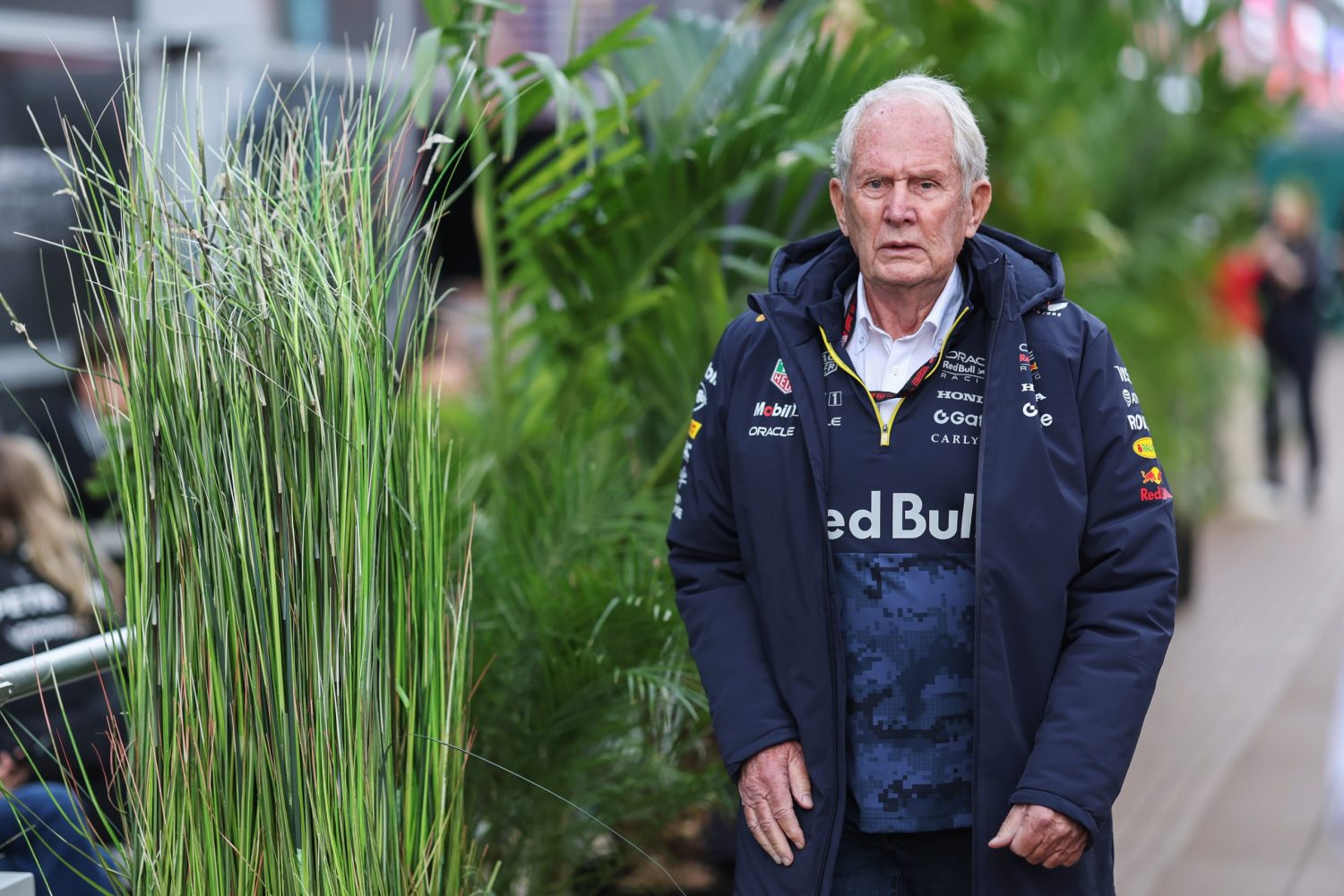
Former F1 driver Juan Pablo Montoya believes Helmut Marko is leaving Red Bull and Formula 1 not because his passion has faded, but because his once-formidable power within the team has evaporated. According to Montoya, the long-time motorsport advisor found himself increasingly sidelined in a shifting corporate structure, transforming from a feared decision-maker to a figurehead with diminished authority.
Why it matters:
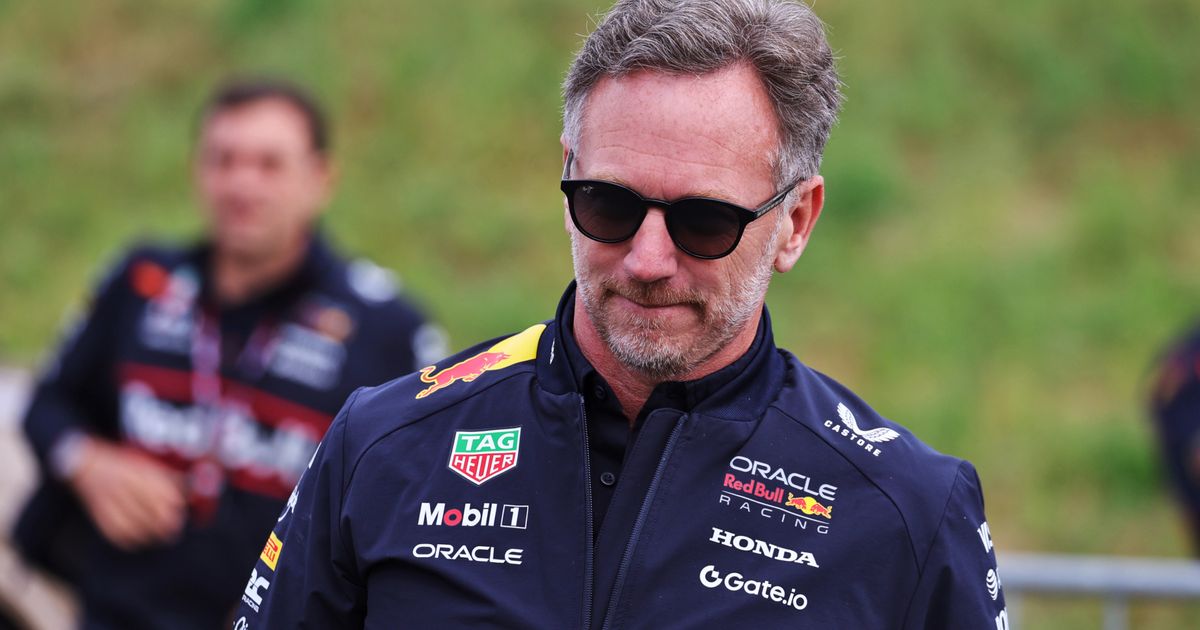
Marko's departure marks the symbolic end of an era for Red Bull Racing. For over two decades, he was a central pillar of the team's identity—the architect of its driver program and a key strategic voice. His exit, following those of Christian Horner, Adrian Newey, and Jonathan Wheatley, signals a fundamental transformation from a racer-led, autonomous outfit to a more corporately managed entity, which could significantly impact the team's culture and decision-making speed going forward.
The details:
Montoya suggests the official reason for Marko's retirement—frustration over Max Verstappen's narrow 2024 title miss—only scratches the surface. The core issue is a power shift.
- Corporate Takeover: Montoya points to increased involvement from Red Bull's Austrian parent company, which wants "more control of the team." He describes this as a "double-edged sword" that could lead to a more rigid, top-down leadership style.
- Erosion of Autonomy: Marko, who once had "full control of the drivers" and key decisions, reportedly found himself in a position where his choices required approval. Montoya states, "He realized he had no power anymore... He got to a point where he said to himself, 'I'm not going to be anybody’s employee.'"
- Rumors of Clipped Wings: Anecdotes underline the change. Rumors suggest Marko had to renege on a contract for F2 driver Alex Dunne after signing him, and may have signed junior driver Arvid Lindblad without corporate consent—a move emblematic of his old, unilateral style that no longer fits the new order.
The big picture:
Red Bull is clearly resetting for the 2026 regulation changes, and part of that reset involves consolidating control. The departures of Horner, Newey, Wheatley, and now Marko represent a clean break from the old guard. Montoya warns that the influx of corporate oversight changes how a team operates: decisions require more meetings, with opinions shaped by budget and marketing perspectives rather than pure racing instinct. While this may bring stability, it risks stifling the agile, decisive culture that fueled Red Bull's success.
What's next:
The focus now shifts to how Red Bull's new leadership structure, with a stronger corporate hand from Austria, will function. The team must navigate this cultural transition while maintaining its competitive edge against rivals like Ferrari and McLaren. For Marko, his legacy as a kingmaker and fierce competitor is secure, but his exit underscores a timeless truth in Formula 1: when the power is gone, it's time to leave.
Original Article :https://f1i.com/news/556459-montoya-marko-has-realized-he-has-no-power-anymore.h...