


Montoya Demands Penalty Points for Verstappen Over 'Mario Kart' F1 Criticism
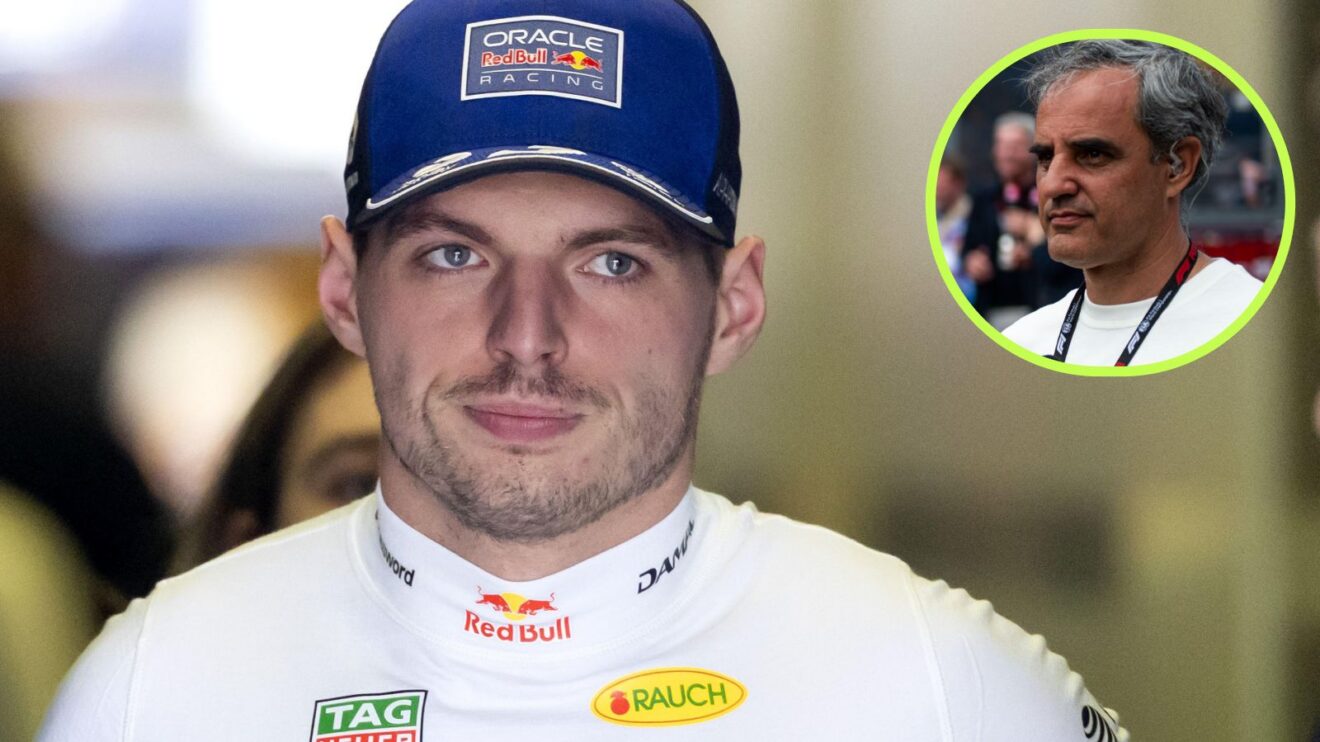
Former F1 driver Juan Pablo Montoya has called for Max Verstappen to face severe penalties, including licence points or a race ban, for his public criticism of Formula 1's current technical regulations. Montoya argues that such comments disrespect the sport and can be politically manipulated, drawing from his own bitter experience in the 2003 title fight.
Why it matters:
A reigning champion's vocal disdain for the core technical formula challenges the sport's credibility and can influence public perception. Montoya's extreme suggestion highlights the tension between a driver's right to an opinion and the perceived duty to uphold the sport's image. Furthermore, it raises the specter of team-influenced narratives, where driver complaints become strategic tools in the technical and political arena, potentially affecting regulatory decisions and the competitive balance.
The details:
- Montoya's core argument is one of respect, stating drivers should face consequences for harshly criticizing "what you’re living off." His proposed penalty is adding enough super licence points that any further infraction would trigger an automatic ban.
- Verstappen's primary complaint centers on the 2024 power unit regulations, which emphasize electrical energy management. He has labeled the effect "anti-racing" and compared it to "Mario Kart," arguing drivers are "punished" for fast cornering by losing straight-line speed.
- Despite a pre-Miami tweak to the energy deployment rules (reducing maximum recharge from 8MJ to 7MJ), Verstappen stated the fundamental issue remains, calling the change a mere "tickle."
- Montoya countered the "Mario Kart" analogy by questioning if the Drag Reduction System (DRS), which provides a significant speed boost, is not also a form of "fake" assistance.
Between the lines:
Montoya's strong stance is deeply personal, rooted in his 2003 championship battle with Michael Schumacher. He believes he lost the title due to a politically-driven rule change, where rivals protested the width of his Williams team's Michelin tires, leading to a forced redesign that cost his car performance. This experience frames his warning that driver complaints are often "guided" by teams seeking a technical advantage, blurring the line between genuine feedback and strategic lobbying.
What's next:
While a race ban for criticism is highly improbable, Montoya's comments fuel the ongoing debate about the boundaries of driver expression. The discussion may pressure the FIA to consider how driver rhetoric impacts the sport. The core technical debate about energy management will continue, especially on high-degradation circuits, keeping Verstappen's frustrations in the spotlight. Ultimately, the incident underscores the perpetual interplay between sporting integrity, technical competition, and political maneuvering in Formula 1.
Original Article :https://www.planetf1.com/news/max-verstappen-under-fire-montoya-warns-complaints...