



Mercedes W17 Upgrades Under Scrutiny After Qualifying Setback at Bahrain GP
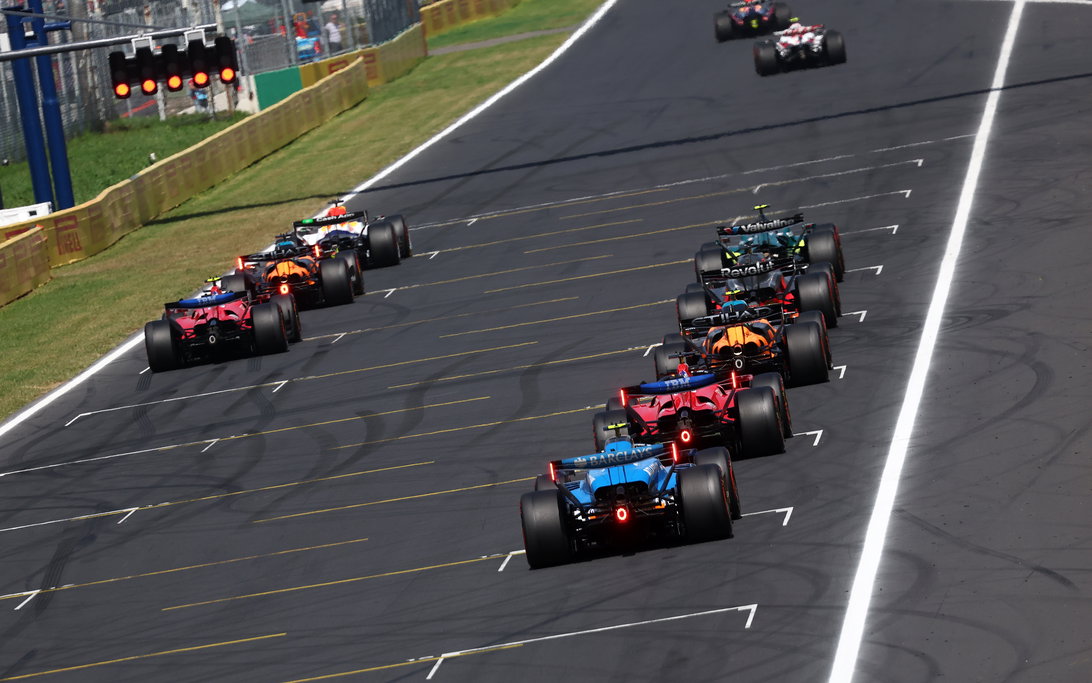
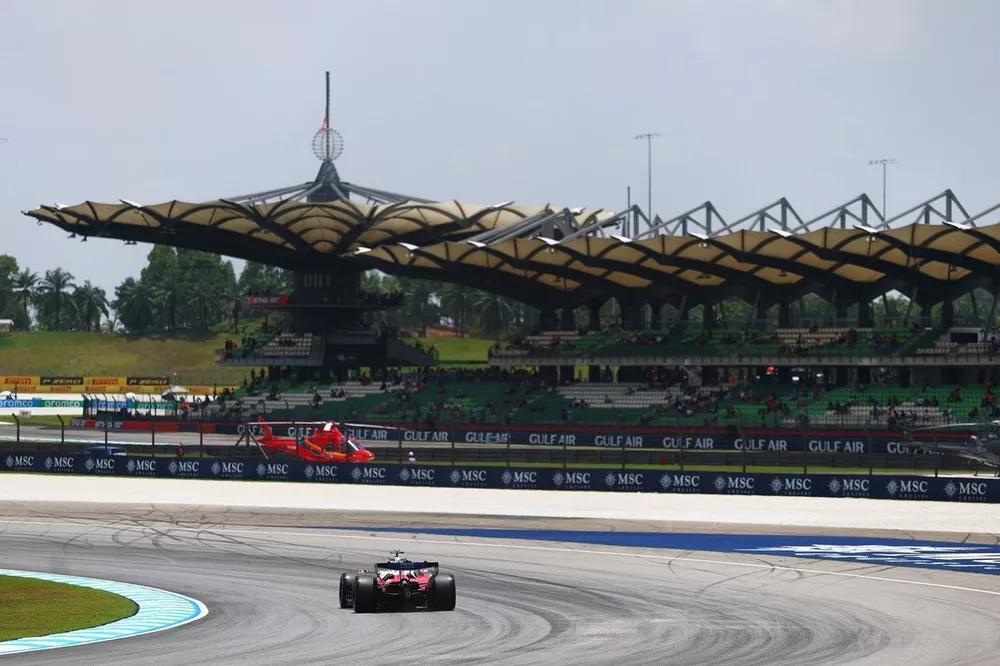
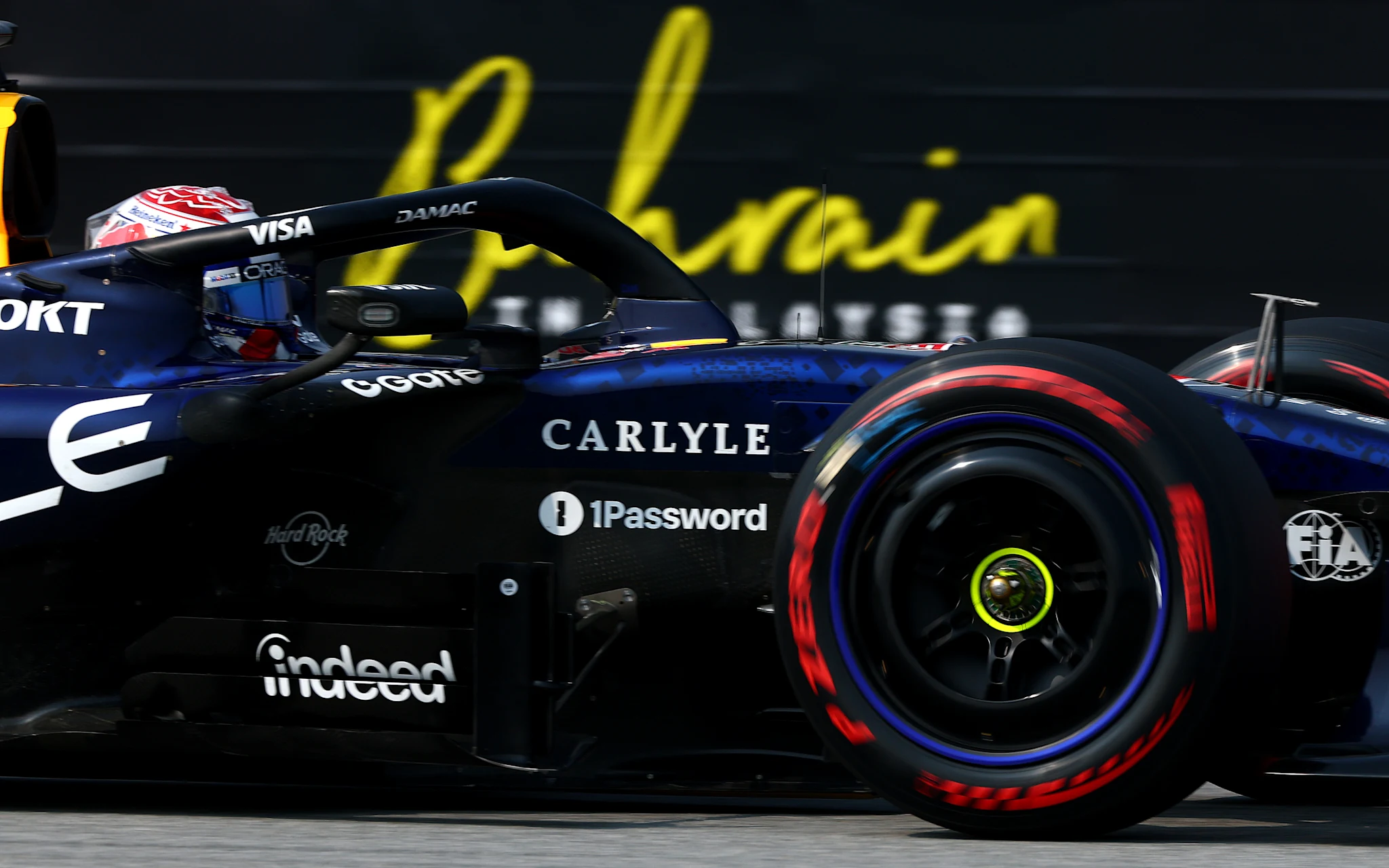
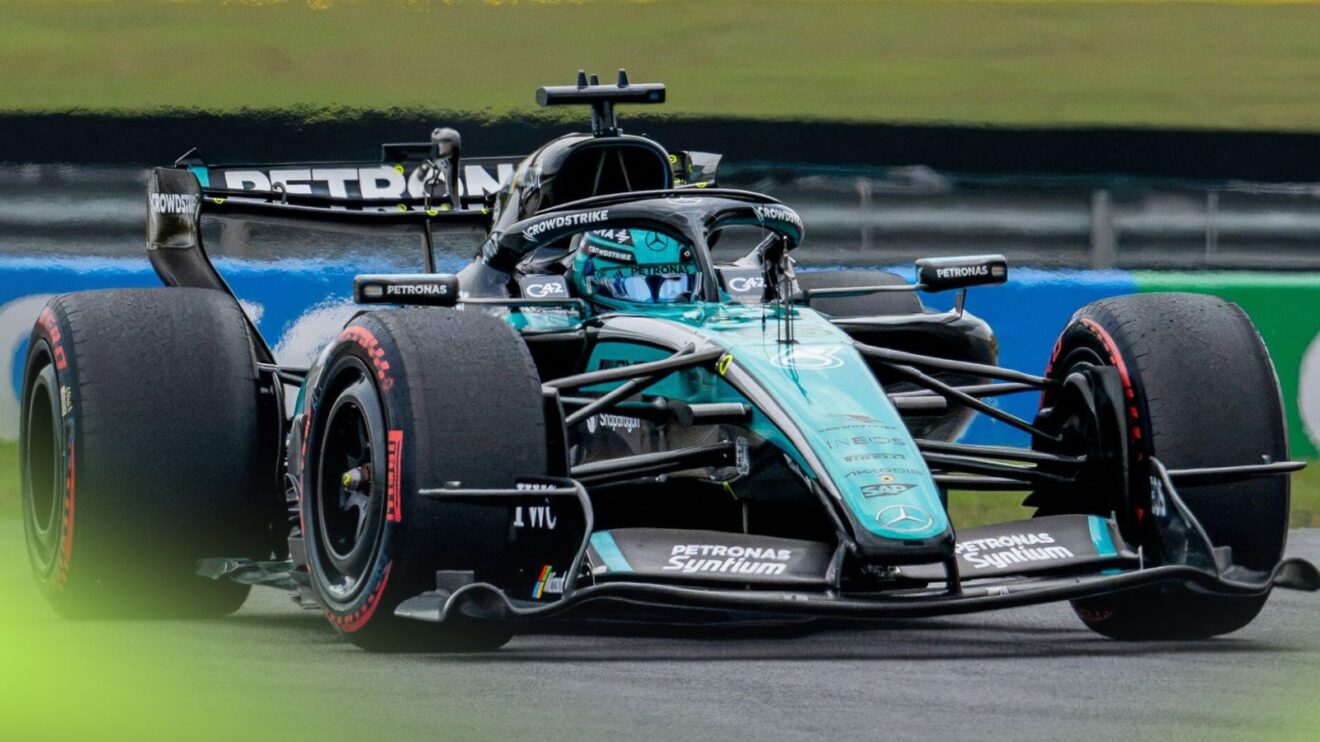
Mercedes entered the Bahrain Grand Prix in Sepang with high expectations for its upgraded W17, but qualifying delivered a sobering reality check. While Max Verstappen dominated the session for Red Bull, the Silver Arrows found themselves unable to break into the top three, sparking an immediate internal review of their development direction.
Why it matters:
There is a concerning disconnect between Mercedes' simulation data and on-track performance. In the high-stakes environment of the 2026 season, an upgrade package that looks "perfect" on paper but fails in reality can derail a championship campaign. For championship leader Kimi Antonelli, the inability to challenge Verstappen on raw pace suggests a vulnerability in the W17's operating window that Red Bull is currently exploiting.
The details:
- The Performance Gap: Max Verstappen secured pole with a 1:35.130. Kimi Antonelli finished half a second off the pace, while George Russell struggled significantly, qualifying P8 (promoted to P7 following Isack Hadjar's engine penalty).
- Technical Struggles: The team pinpointed a lack of performance in low-speed corners, contrasting with a strong showing in high-speed sections.
- Track Variables: The abrasive nature of the Sepang tarmac and extreme heat pushed tires out of their optimal window almost immediately, exacerbating the car's instability.
- The Data Paradox: George Russell noted that while the "numbers" indicate a clear improvement, the lap times tell a different story, leaving the team to question if the struggle is a learning curve or a fundamental flaw in the package.
The big picture:
This setback highlights the volatility of the 2026 technical regulations. Mercedes is attempting to refine a car that is highly sensitive to environmental variables. If the W17 requires specific, narrow conditions to be competitive, it will struggle across a diverse global calendar. The team's current challenge is not just about raw speed, but about expanding the car's operational window to ensure consistency regardless of track abrasiveness.
What's next:
Attention now shifts to race trim, where Mercedes believes they can recover. High expected tire degradation may shift the advantage away from qualifying pace and toward race management. If the W17's race pace proves superior, Antonelli remains optimistic about fighting for a victory, though the team must first decode the "big question mark" surrounding their aerodynamic revisions.
Original Article :https://www.planetf1.com/news/george-russell-kimi-antonelli-mercedes-upgrade-f1-...