





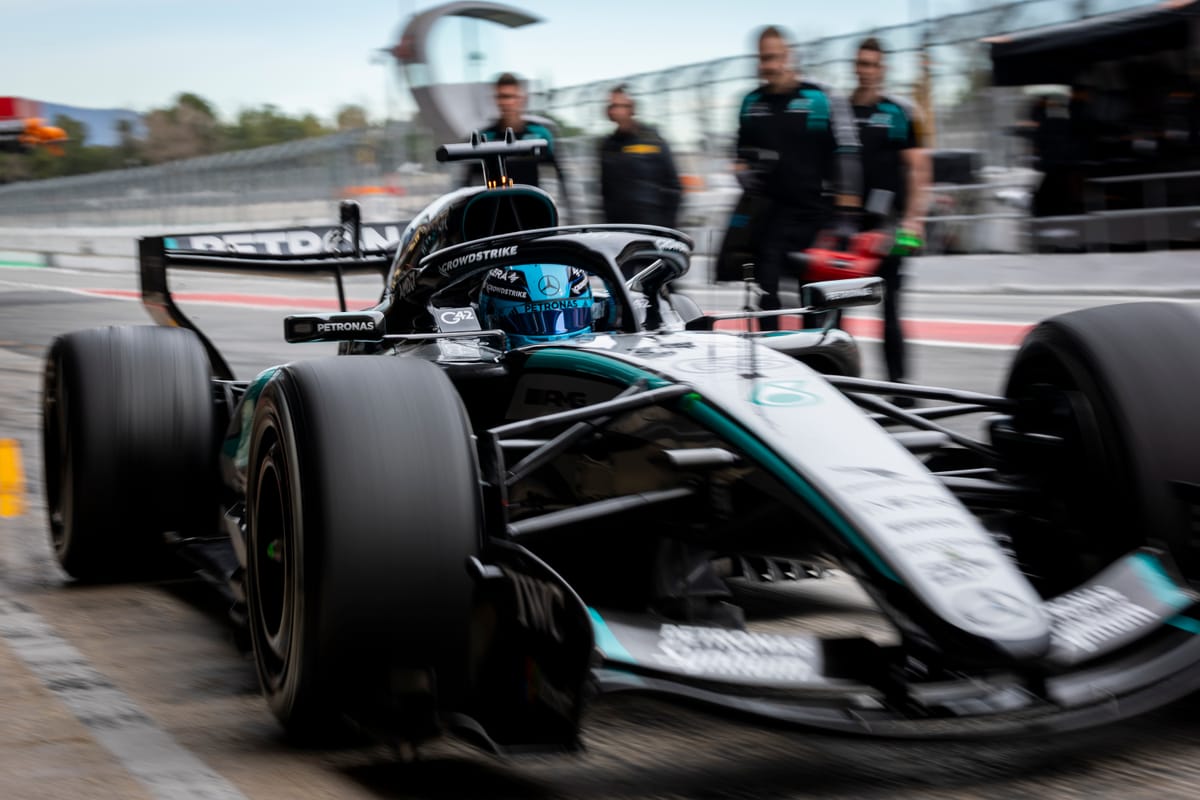
Mercedes Rivals Push for Late F1 Engine Rule Change Ahead of Australian GP
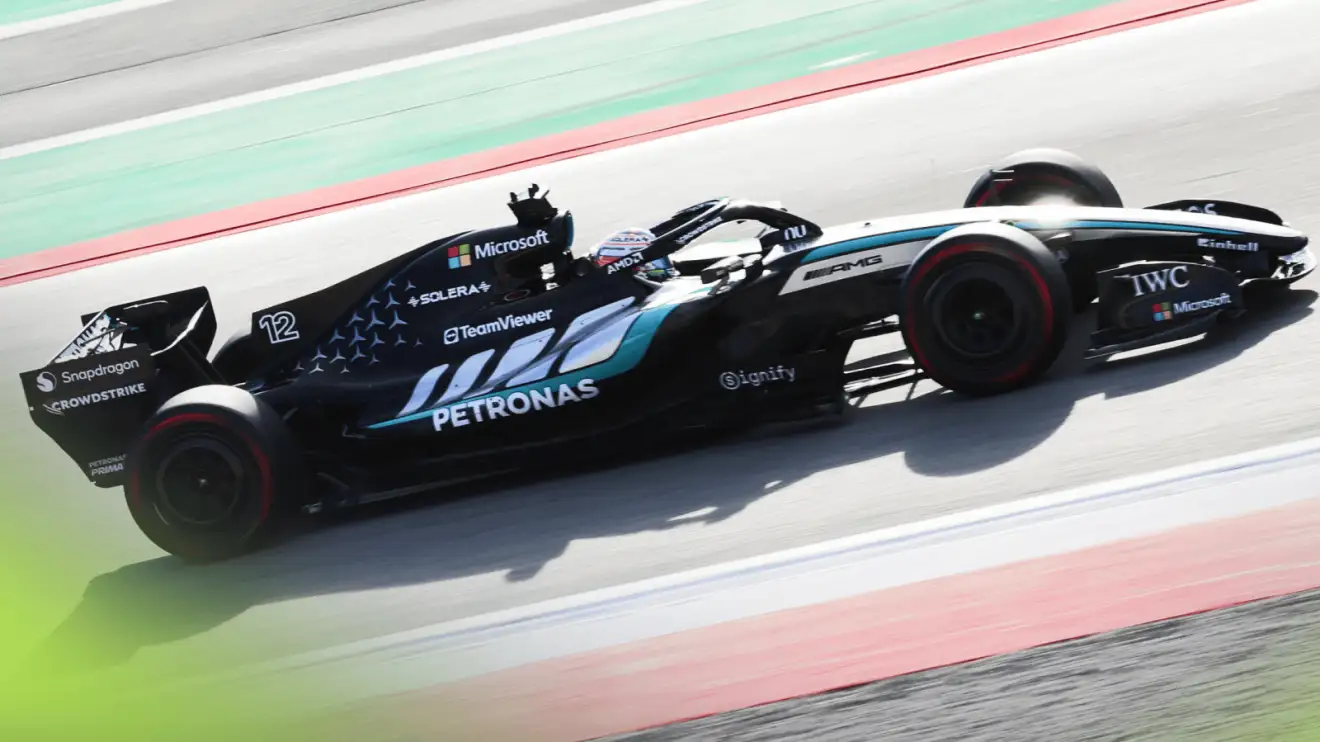
Mercedes' F1 rivals are accelerating efforts to change how engine compression ratios are checked, aiming to submit a formal proposal before the season starts in Melbourne. However, any rule change requires support from the FIA and FOM, which currently appears unlikely as the governing body has backed Mercedes' interpretation of the existing regulations.
Why it matters:
This technical dispute centers on a potential performance advantage and could define the early competitive order in 2026. If Mercedes has successfully exploited a regulatory loophole to run a higher effective compression ratio, it could gain a significant power unit edge. Rivals are now in a race against time to close that loophole before engines are homologated and the season begins, setting the stage for a political and technical showdown.
The details:
- The controversy stems from the 2026 power unit regulations, which state compression ratio compliance is checked at ambient temperature. Rivals suspect Mercedes has found a way to run at a higher ratio when the engine is at operating temperature, gaining a performance benefit.
- Ferrari, Audi, and Honda initially led the opposition, sending a joint letter to the FIA. They have now reportedly been joined by Red Bull Powertrains, forming a potential voting bloc of four manufacturers.
- This alliance is crucial because a mid-season rule change requires a supermajority vote from the Power Unit Advisory Committee (PUAC)—four of the five manufacturers plus support from both the FIA and Formula One Management (FOM).
- Proposed solutions from rivals include using sensors to measure the ratio on-track or conducting checks in the garage when the engine is hot, fundamentally altering the test procedure.
- The FIA's current position, reinforced by a rule clarification on October 16, 2024, aligns with Mercedes' view. FIA President Mohammed Ben Sulayem has reportedly endorsed measuring at ambient conditions, a point emphasized by Mercedes Team Principal Toto Wolff.
What's next:
With engine homologation set for March 1, time is critically short for any design changes, making a rule change before Melbourne a major challenge.
- The most probable outcome is that the current rules and checks will remain for the 2026 season, leaving rivals to adapt their own designs within the existing framework.
- Any agreed-upon change to the measurement procedure is more likely to be implemented for the 2027 season, giving all manufacturers time to adjust.
- The situation raises the possibility of on-track protests in Australia, though Wolff has stated his team feels "robust" in their legal position. The focus now shifts to whether the rival bloc can formally agree on a proposal and, more importantly, persuade the FIA and FOM to support a last-minute alteration.
Original Article :https://www.the-race.com/formula-1/mercedes-rivals-plotting-f1-engine-rule-chang...
