






Mercedes Prioritizes Performance Over Driver Cooling Amid Cost-Cap Constraints
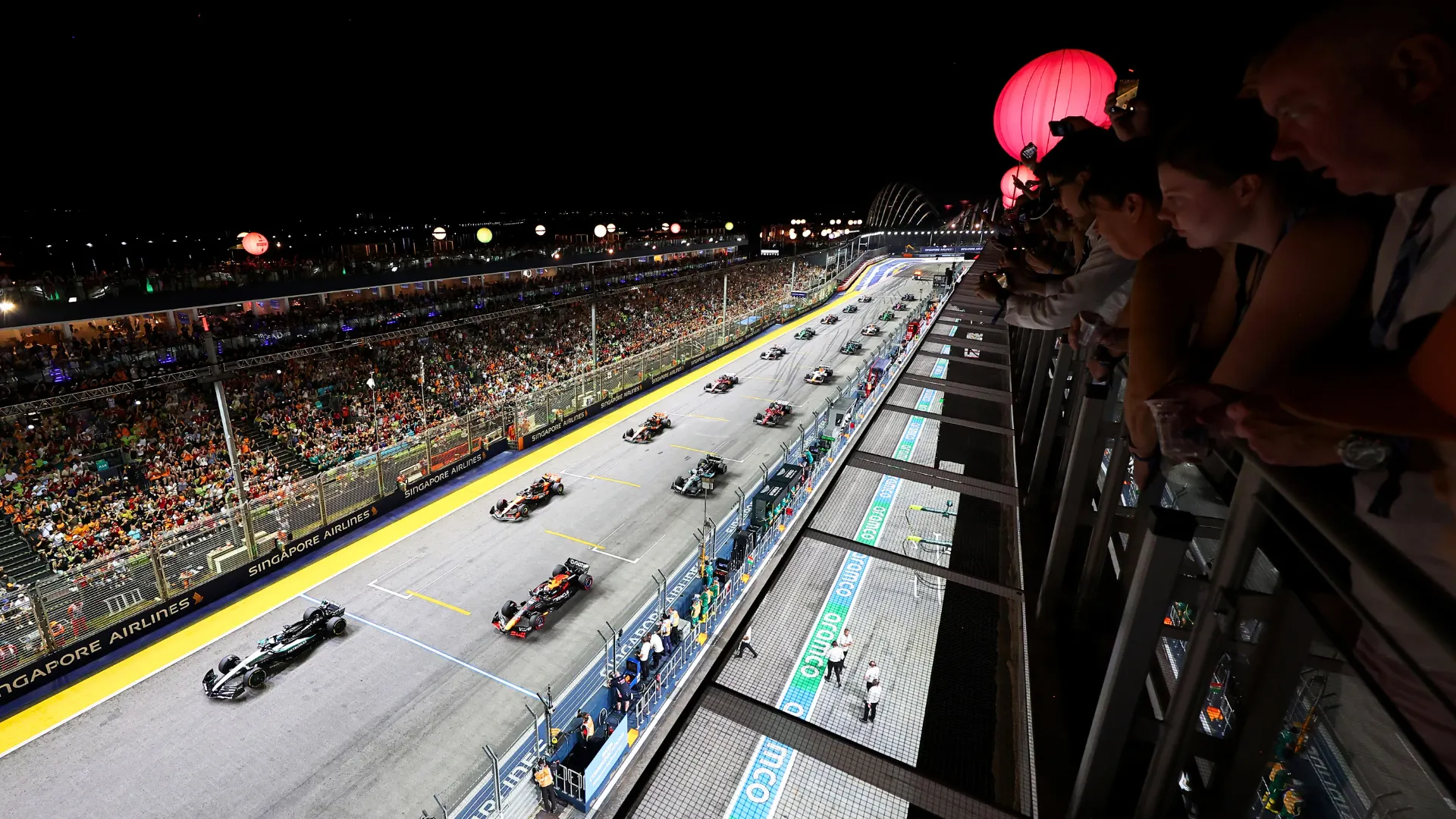
Mercedes has sparked debate across the paddock after confirming it opted out of the FIA’s financial allowance for liquid-cooled driver vests. Despite the extreme heat and humidity of the Southeast Asian double-header, the team chose to divert its limited resources toward raw performance rather than driver comfort.
Why it matters:
This decision underscores the brutal reality of the 2026 cost-cap era, where teams must make high-stakes trade-offs between driver well-being and lap time. In a sport where milliseconds define the grid, Mercedes gambled that sacrificing physical relief would be offset by aerodynamic and mechanical gains, pushing the boundaries of driver endurance in the pursuit of a competitive edge.
The details:
- Resource Allocation: Deputy Team Principal Bradley Lord stated the FIA's specific allowance was insufficient to develop a cooling solution robust enough to last an entire race distance.
- Performance Trade-off: Rather than risking an unreliable cooling system, the team redirected those funds into maximizing the car's raw speed.
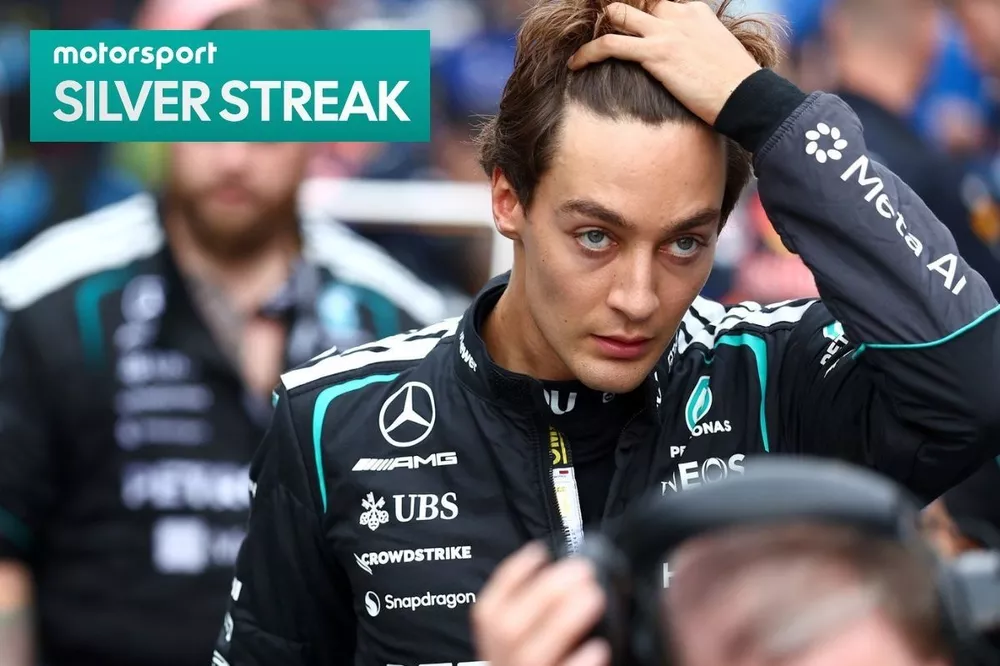
- Driver Consensus: George Russell and the team were aligned on this strategy, acknowledging that while the cockpit remains stifling, overall cooling is superior to the struggles faced in Singapore in previous years.
- The Fallout: The strategy failed to yield results for Russell, who was forced to retire from the race due to a power unit failure.
What's next:
The consequences of Russell's retirement extend beyond a single DNF. With the season reaching its climax in October, the loss of a power unit puts Russell at significant risk of a grid penalty before the finale in Abu Dhabi or Imola. This "double whammy" of physical exhaustion and technical failure could severely hamper Mercedes' momentum as they close out the 2026 campaign.
Original Article :https://www.motorsport.com/f1/news/mercedes-defends-its-controversial-decision-t...