








Mercedes' New Engine 'Trick' Irks Ferrari Once More
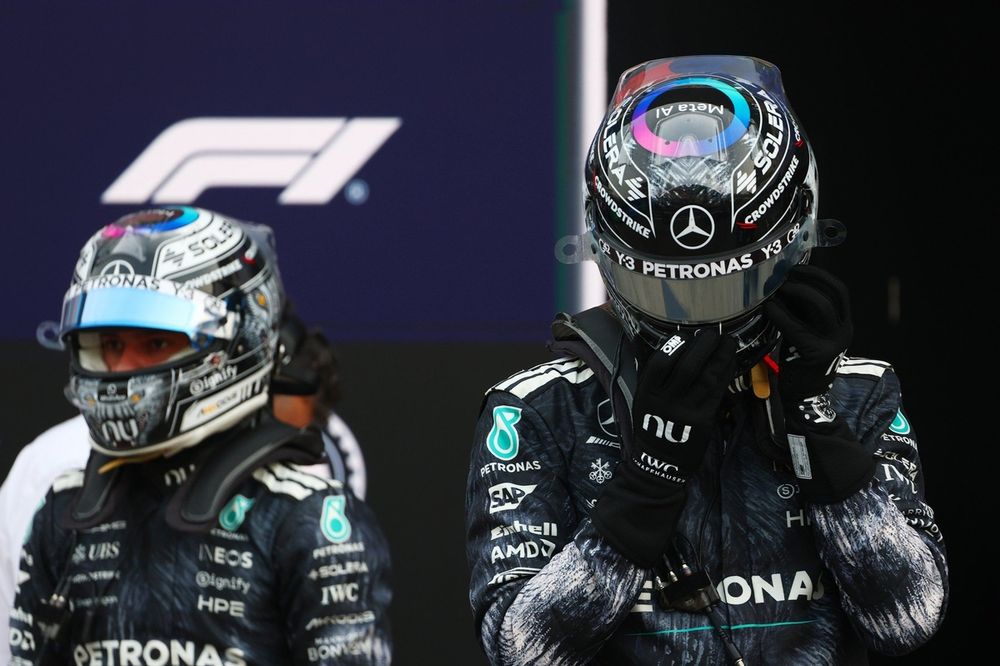
Mercedes and Red Bull have reportedly utilized a novel power unit tactic during Japanese Grand Prix practice sessions, exploiting a system designed for MGU-K failures to deploy a sudden burst of energy. While deemed legal by the FIA, the practice has drawn scrutiny from Ferrari, who view it as a regulatory loophole that should be addressed on safety grounds, marking another point of technical contention between the rivals.
Why it matters:
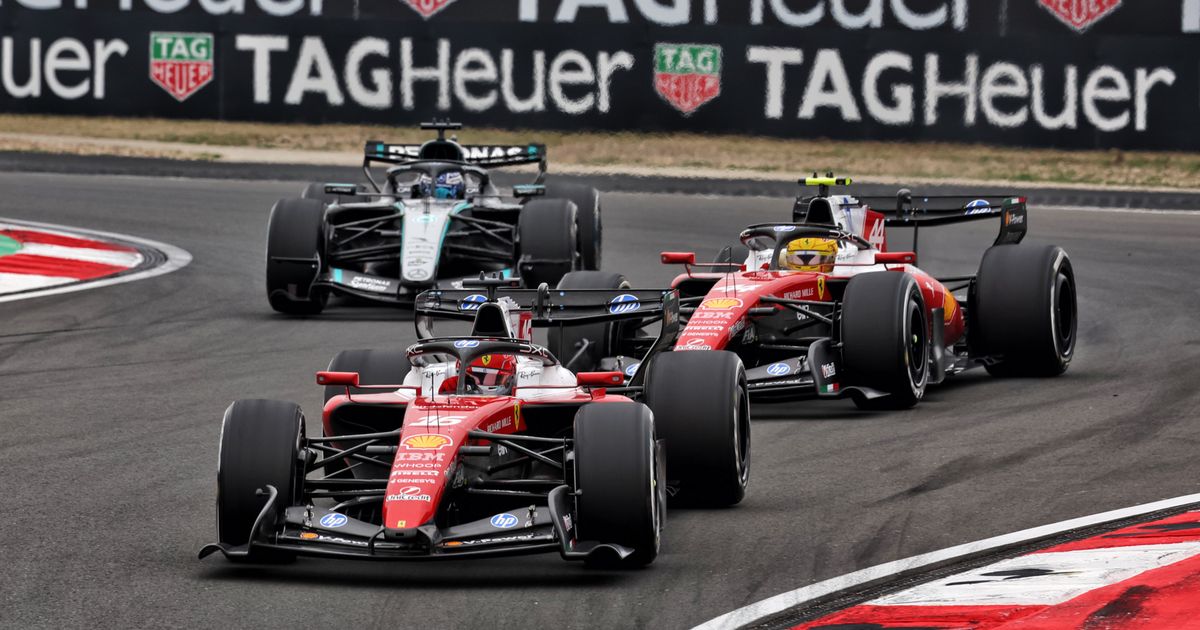
This incident highlights the continuous, high-stakes technical arms race in Formula 1, where teams relentlessly seek marginal gains within the complex regulatory framework. Ferrari's frustration stems from a pattern where its strengths, like its turbo performance for race starts earlier this season, have been countered by rule changes or rival innovations. The debate centers on the spirit versus the letter of the regulations, testing the boundaries of what is considered a fair exploit versus an unfair advantage that compromises safety.
The details:
- The reported 'trick' involves manipulating a fail-safe system that activates if the MGU-K (Motor Generator Unit-Kinetic) shuts down. This allows the energy recovery system to dump its full 350 kW of energy instantly rather than in a controlled, gradual manner.
- This instant deployment can provide a small but valuable lap time gain. The regulations prevent its abuse during a race by imposing a one-minute system lockout after use, but it remains exploitable on a final qualifying lap before crossing the finish line.
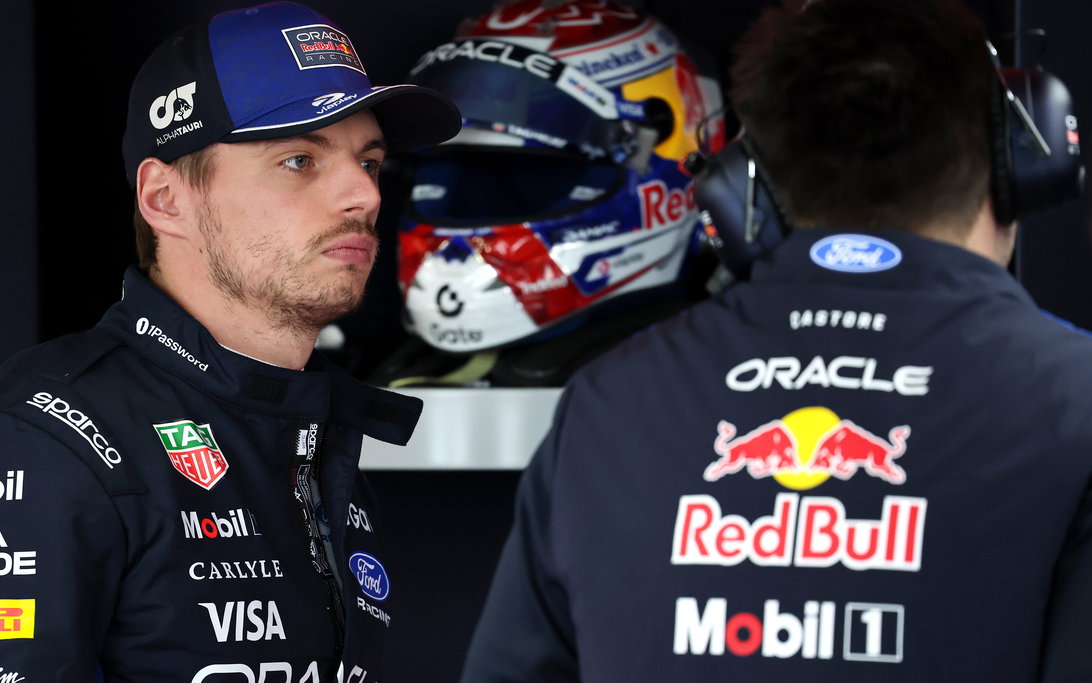
- On-track incidents, such as Alexander Albon's sudden stop and both Kimi Antonelli and Max Verstappen slowing dramatically after fast laps in practice, have been cited as potential indicators of the system's use.
- According to reports, Mercedes did not employ the tactic beyond the practice sessions. The FIA's current stance is that its use falls within the technical regulations, though safety concerns could prompt a review.
- Ferrari, while acknowledging the tactic's technical legality, is pushing for clarification and believes it represents an exploitation that the sport's governing body should act upon.
What's next:
The ball is now in the FIA's court to determine if this practice, while technically legal, aligns with the sport's safety principles and regulatory intent.
- A precedent exists for collaborative solutions, as seen with the recent agreement among all teams to address Mercedes' earlier compression ratio innovation.
- If deemed a safety risk or against the sporting spirit, the FIA could issue a technical directive or propose a formal regulation change to close the loophole, potentially before the next race weekend.
- This ongoing cat-and-mouse game between engineers and regulators is a defining feature of F1's development war, ensuring that the debate over innovation and fairness will continue as teams prepare their cars for the next competitive opportunity.
Original Article :https://www.gpblog.com/en/news/mercedes-annoys-ferrari-again-with-new-engine-tri...
