





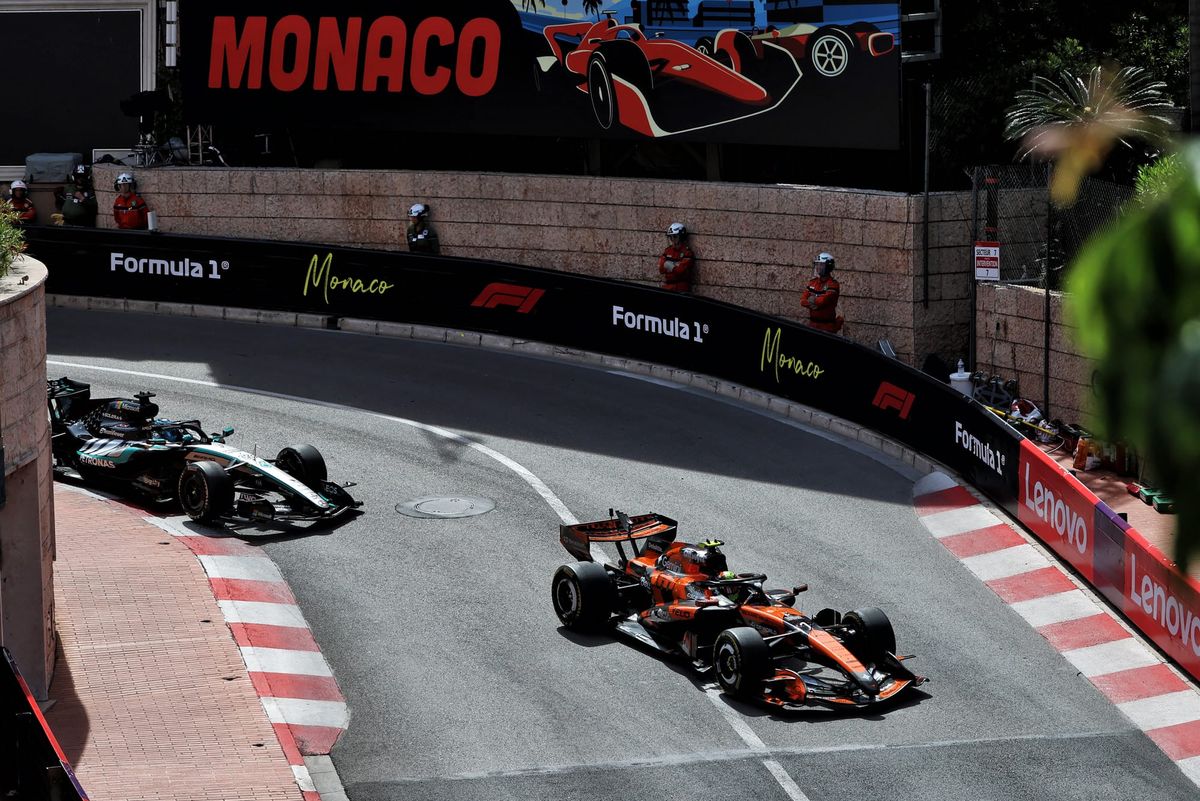
Mercedes: McLaren's PU Gap Stems From Tool Investment, Not Favoritism
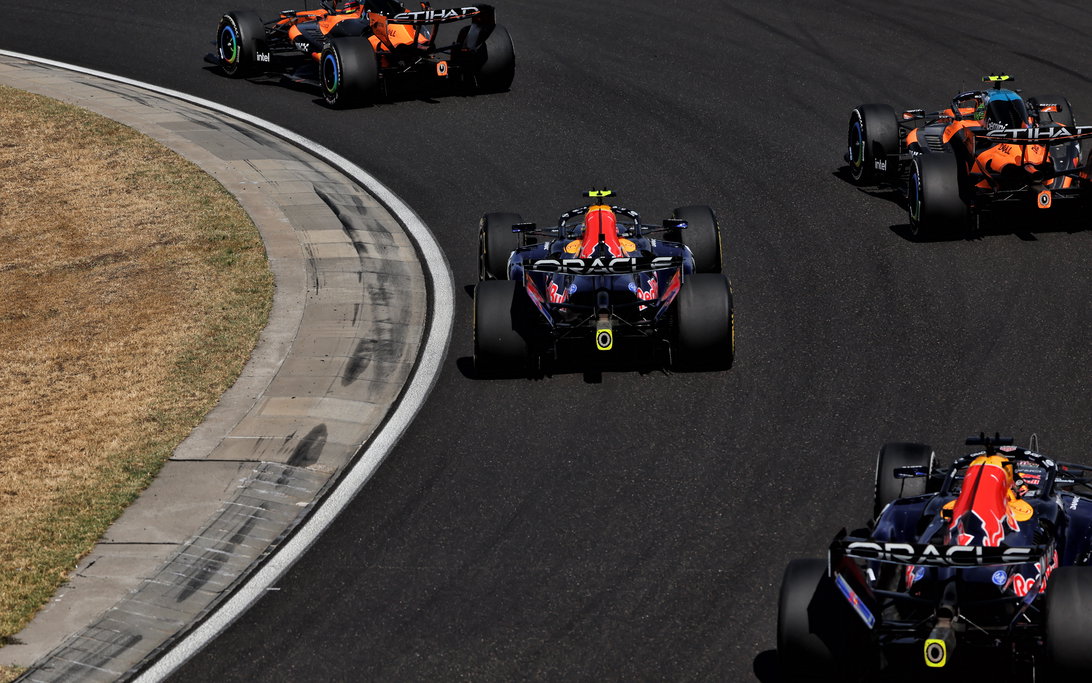
Mercedes has explained why its works team is extracting more from the 2026 power unit than customer squad McLaren, citing IP boundaries and simulation tool gaps rather than deliberate favoritism. The divergence has become a defining subplot in this year's championship fight, with McLaren trailing the factory operation by 159 points after dominating last season's standings.
Why it matters:
This gap strikes at the heart of Formula 1's competitive balance, demonstrating how identical hardware can produce wildly different results depending on internal simulation capabilities. As McLaren fights to reclaim its form, the structural divide between works and customer operations raises serious questions about whether true parity is possible when critical power unit IP cannot be freely shared.
The details:
- Mercedes deputy team principal Bradley Lord insists hardware and support are distributed evenly to McLaren, Alpine, and Williams, but notes that jointly developed chassis-PU simulation tools cannot be freely transferred under technical regulations.
- Customer teams must therefore invest their own cost cap resources to build predictive toolsets capable of unlocking the complex 2026 power unit, a process Lord described as requiring significant "unpicking" of integrated IP.
- McLaren technical director Mark Temple confirmed the team operates "out of the main loop," lacking final say on PU configurations and facing compressed timelines to adapt setups before races.
- The Woking squad's shorter gear ratios—selected from early Mercedes data—highlight how minor information gaps can compound into measurable trackside deficits.
Between the lines:
While Mercedes frames the disparity as a logistical consequence of IP rules, works teams inherently control the feedback loop between chassis and power unit development. McLaren's creation of a dedicated "power unit performance team" acknowledges that closing this gap requires institutional infrastructure that factory squads have spent years refining, leaving customer teams with an uphill battle despite engine parity.
Original Article :https://www.the-race.com/formula-1/just-spend-more-mercedes-intriguing-theory-fo...