



Mercedes' Ingenious Engine Loophole Sparks Controversy Ahead of 2026 Season
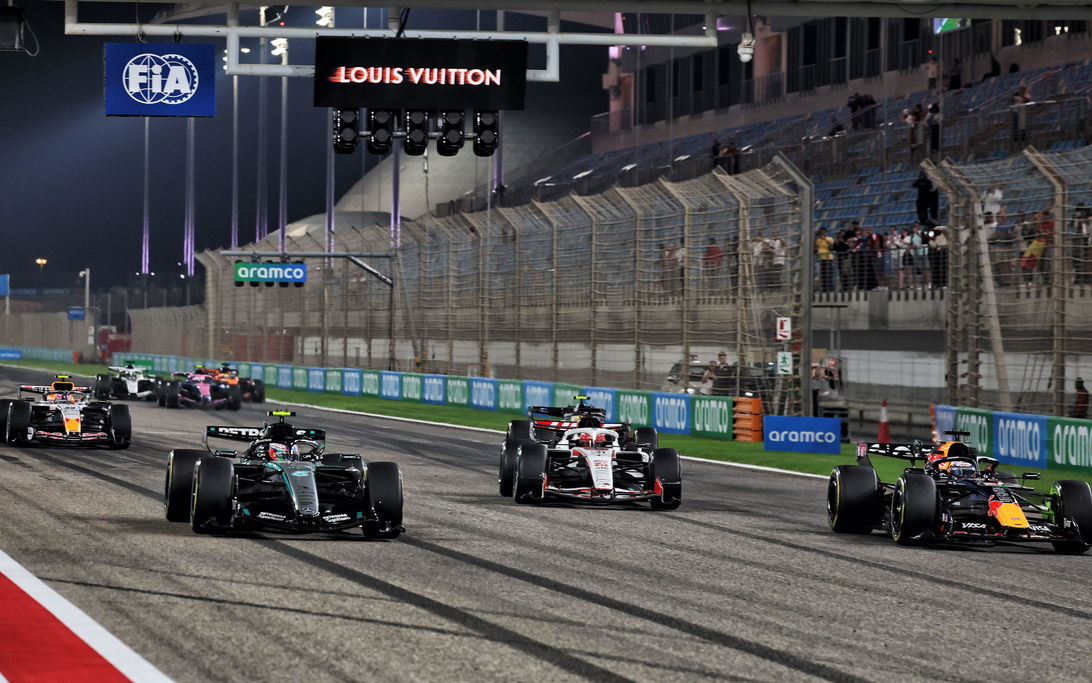
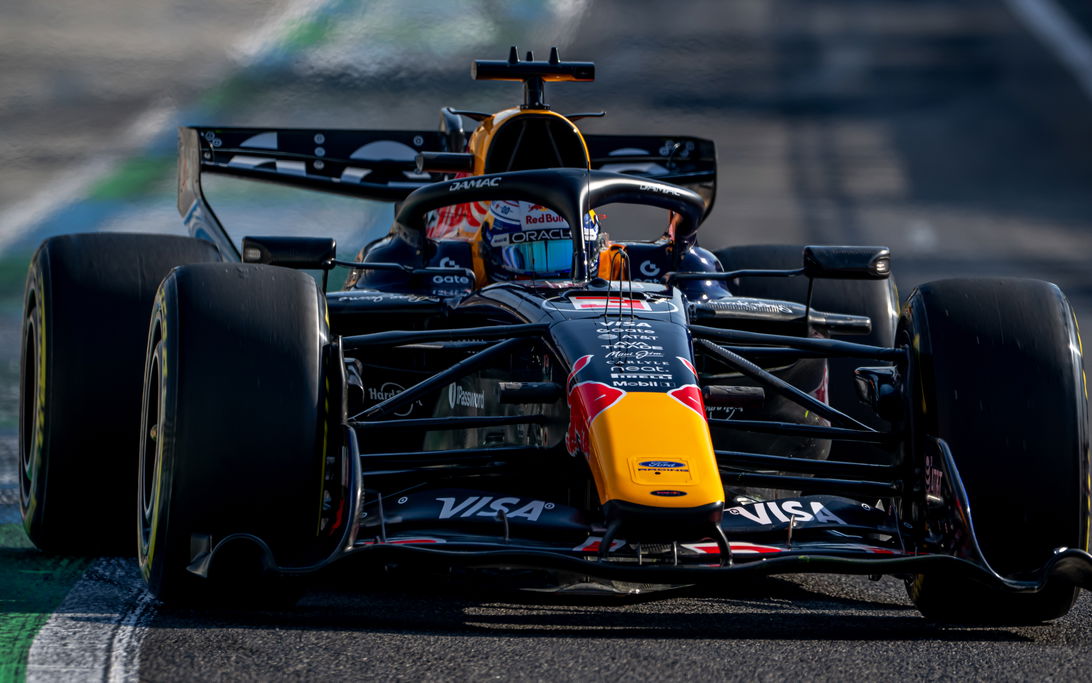
Mercedes and Red Bull have reportedly exploited a clever technical loophole to increase engine compression ratios for the 2026 season, a move that has drawn protests from rival manufacturers Honda, Audi, and Ferrari. The controversy centers on a method not explicitly banned in the technical regulations, which opponents are urging the FIA to outlaw before the new rules take effect.
Why it matters:
This dispute sets a critical precedent for the upcoming 2026 engine regulations. The outcome will determine whether innovation within the written rules is rewarded or if the sport moves toward a more restrictive interpretation that could stifle technical creativity. It highlights the ongoing tension between engineering brilliance and the desire for a level playing field.
The details:
- The loophole involves designing engine components that expand when at full operating temperature, effectively increasing the compression ratio beyond its measured 'cold' state.
- This provides a dual benefit: extra performance and lower fuel consumption, a significant advantage under the new 2026 power unit specifications.
- The protest hinges on the argument that while the method may not be explicitly illegal, it violates the 'spirit' of the regulations, which mandate a fixed compression ratio.
- Historically, such ingenious interpretations of the rulebook have been celebrated as part of Formula 1's DNA, from double diffusers to flexible wings.
The big picture:
The call for a ban represents a shift in the sport's competitive culture. Instead of rivals attempting to match or out-innovate Mercedes' solution, they are seeking a regulatory intervention. This dynamic risks penalizing a team for its technical acumen while potentially rewarding others for a lack of foresight or engineering capability. The FIA's decision will signal whether Formula 1 prioritizes innovation or uniformity as it enters a new regulatory era.
What's next:
The FIA is now under pressure to make a ruling that will either validate Mercedes' approach or close the loophole before the 2026 season. A compromise, such as introducing a new measurement protocol, is a likely outcome. Regardless, this early controversy underscores the high-stakes technical battles that will define the next generation of Formula 1 power units and could influence how teams approach the new regulations from the outset.
Original Article :https://www.gpblog.com/en/opinion/mercedes-should-not-be-penalized-for-the-incom...
