



Mercedes Dominates Long Runs in Japanese GP Practice, McLaren's Pace Deceptive
In Friday practice for the Japanese Grand Prix, McLaren's Oscar Piastri set the fastest single lap, but Mercedes demonstrated crushing superiority in the race-simulating long runs. Data shows the Silver Arrows were the clear class of the field on heavy fuel, with Ferrari a distant second and McLaren falling behind, while Red Bull's struggles deepened, placing them firmly in the midfield.
Why it matters:
The long-run performance is the most reliable indicator of true race pace, making Mercedes the overwhelming favorite for Sunday. This extends their pattern of race-day dominance seen in recent events, while revealing that McLaren's headline-grabbing qualifying speed may not translate to a podium challenge. For Red Bull, being outpaced by Haas and Alpine on long-run averages confirms a profound competitive crisis that extends beyond engine performance.
The Details:
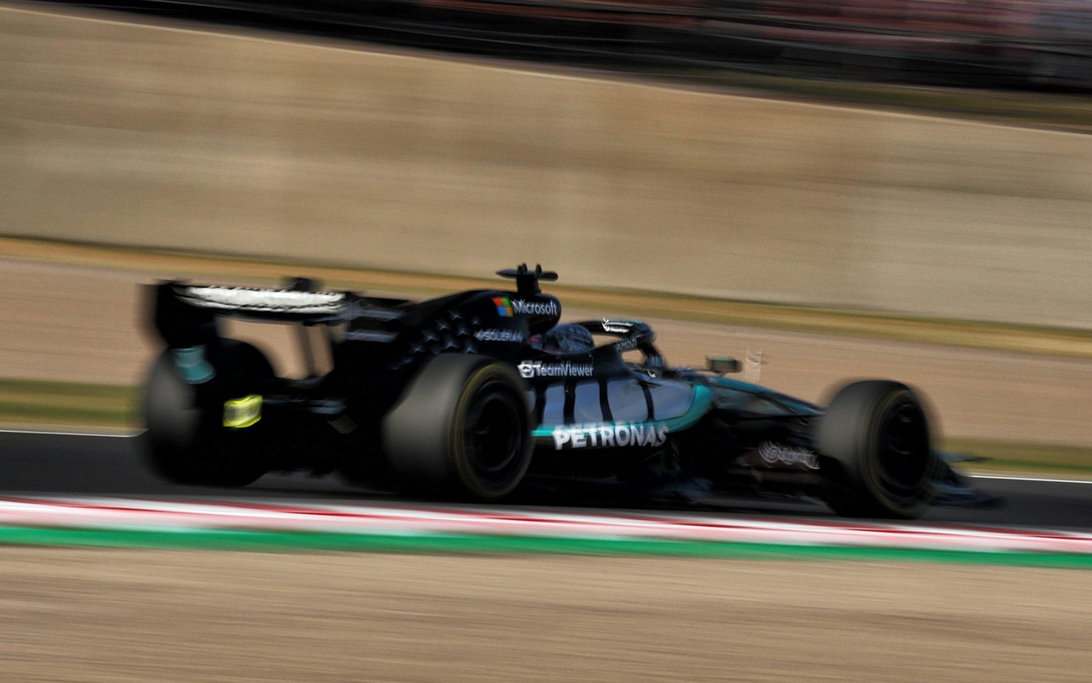
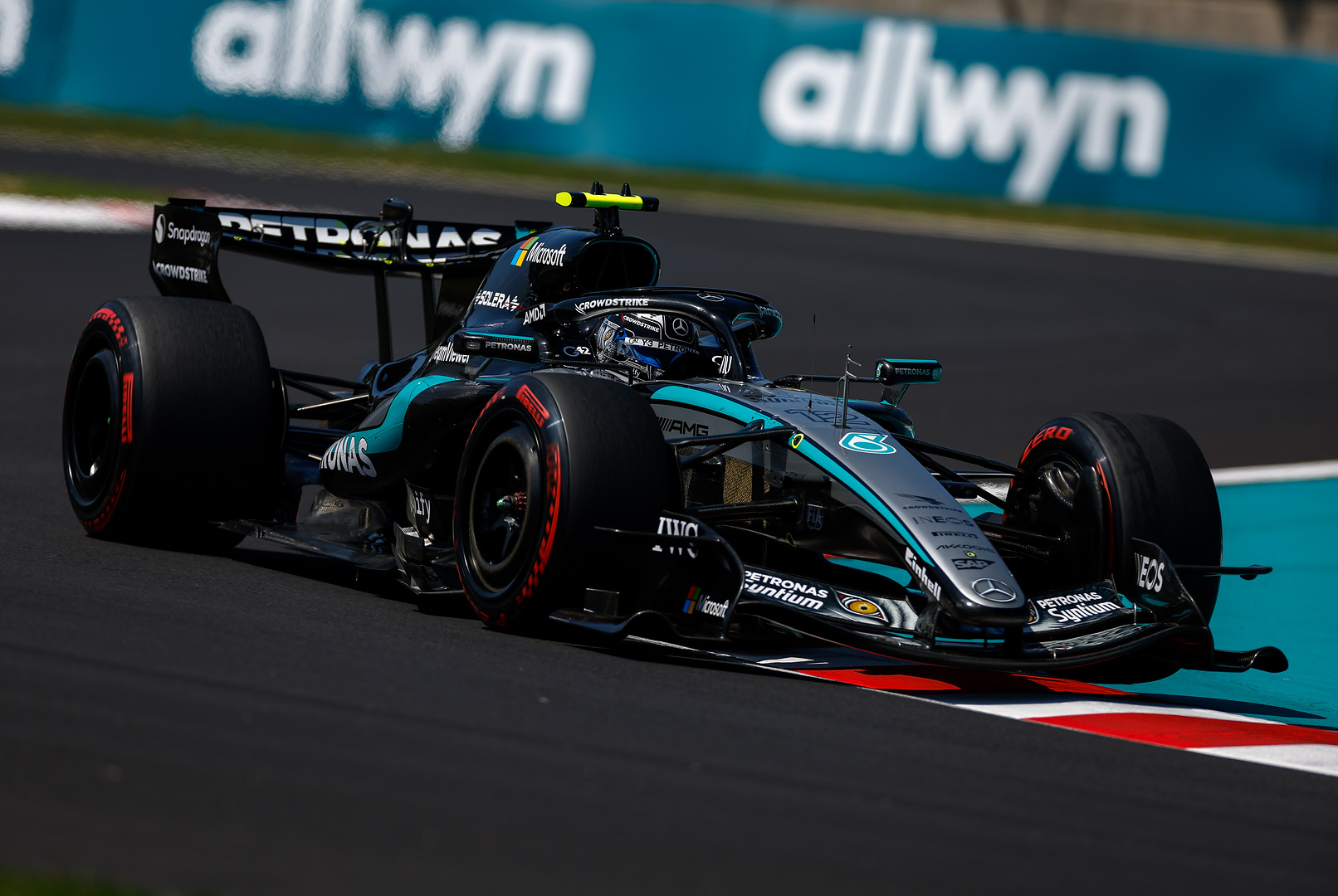
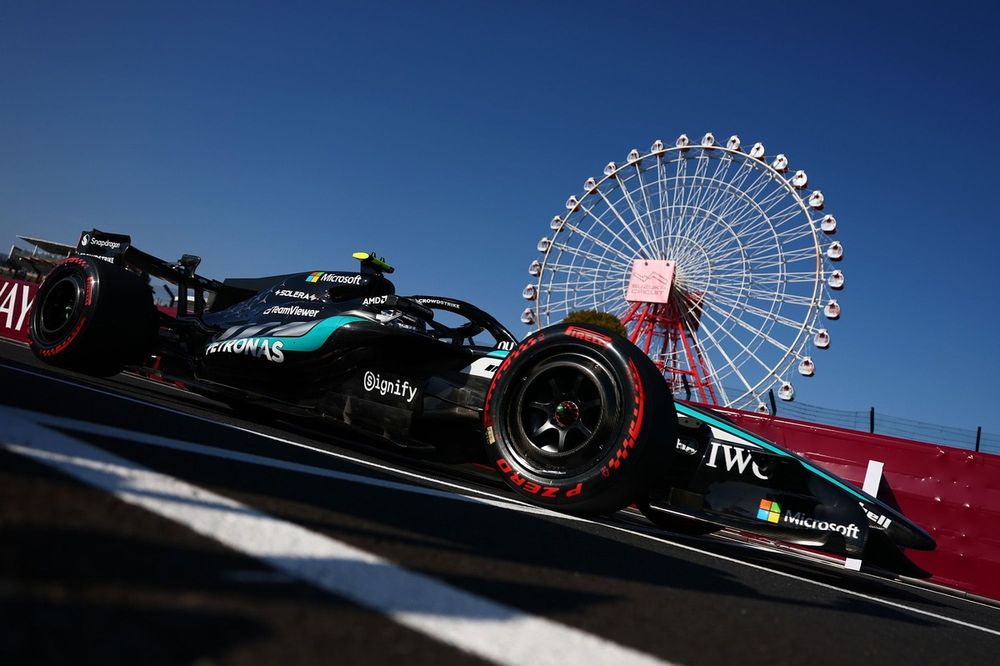
- Mercedes' Commanding Lead: On adjusted long-run averages, rookie Kimi Antonelli was the fastest driver, roughly 0.25 seconds per lap quicker than teammate George Russell. The team held a massive advantage over its closest rival.
- The Ferrari Gap: Charles Leclerc was the best of the rest, but Ferrari trailed Mercedes by a significant 0.66 seconds per lap on average. Teammate Lewis Hamilton had a disastrous session, losing 1.3 seconds per lap and struggling with high tire degradation.
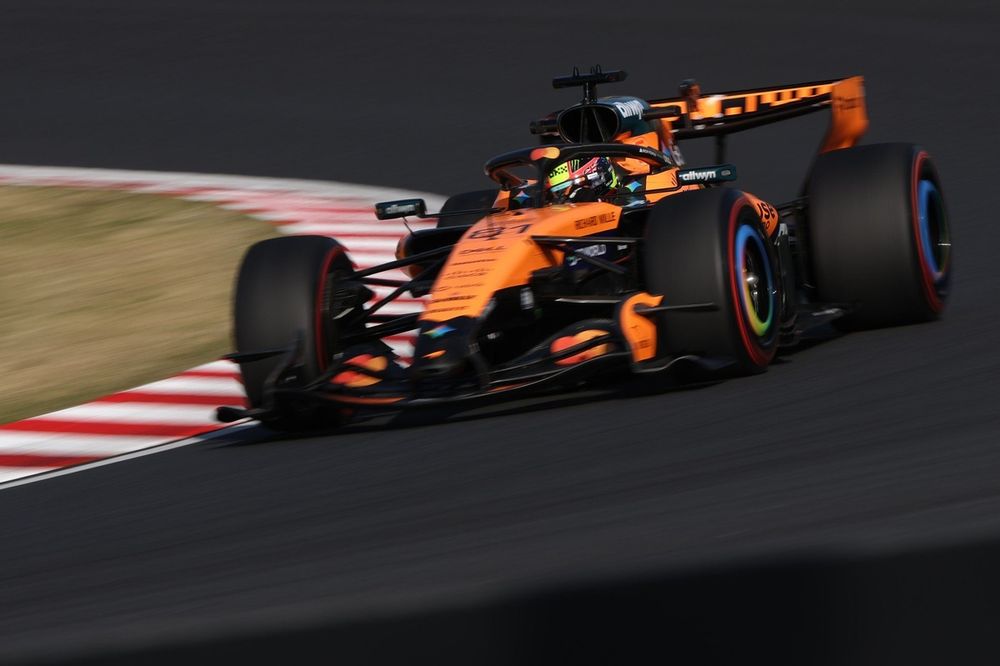
- McLaren's Reality Check: Despite Piastri's P1 in the single-lap session, his long-run pace was 0.96s per lap slower than Mercedes, slotting between Ferrari and the midfield. Lando Norris completed no long run due to technical issues.
- Source of Mercedes' Speed: Sector analysis reveals Mercedes gains nearly all its time on Suzuka's long straights, achieving top speed advantages of up to 15 km/h over Ferrari on the run to Turn 1. In the technical Sector 2 esses, Ferrari and McLaren were much closer.
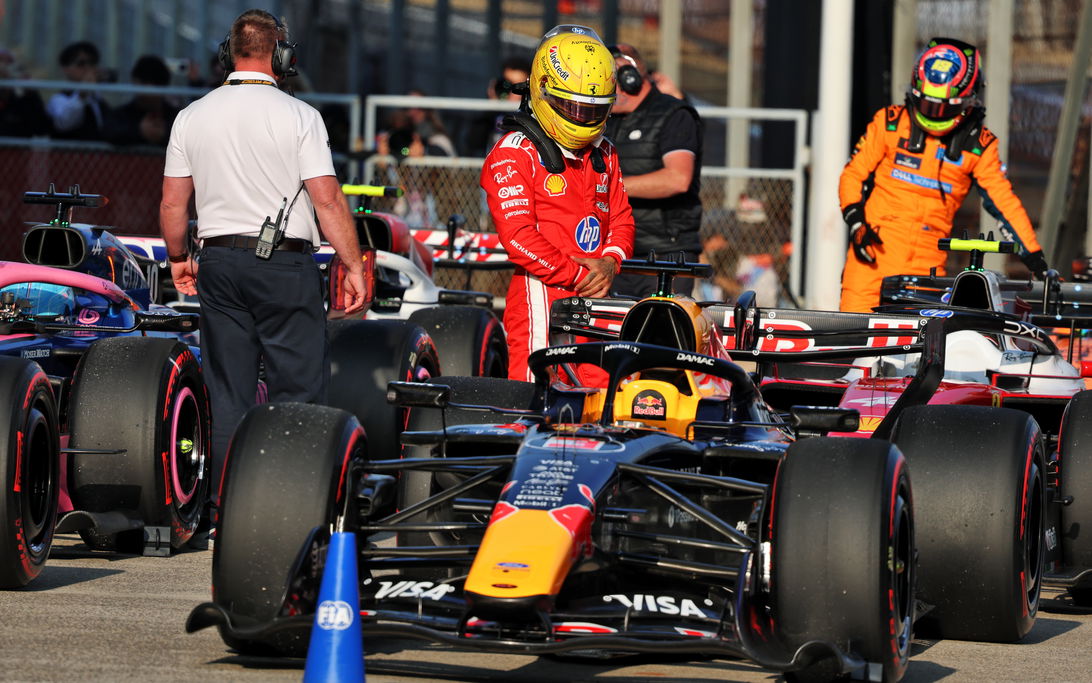
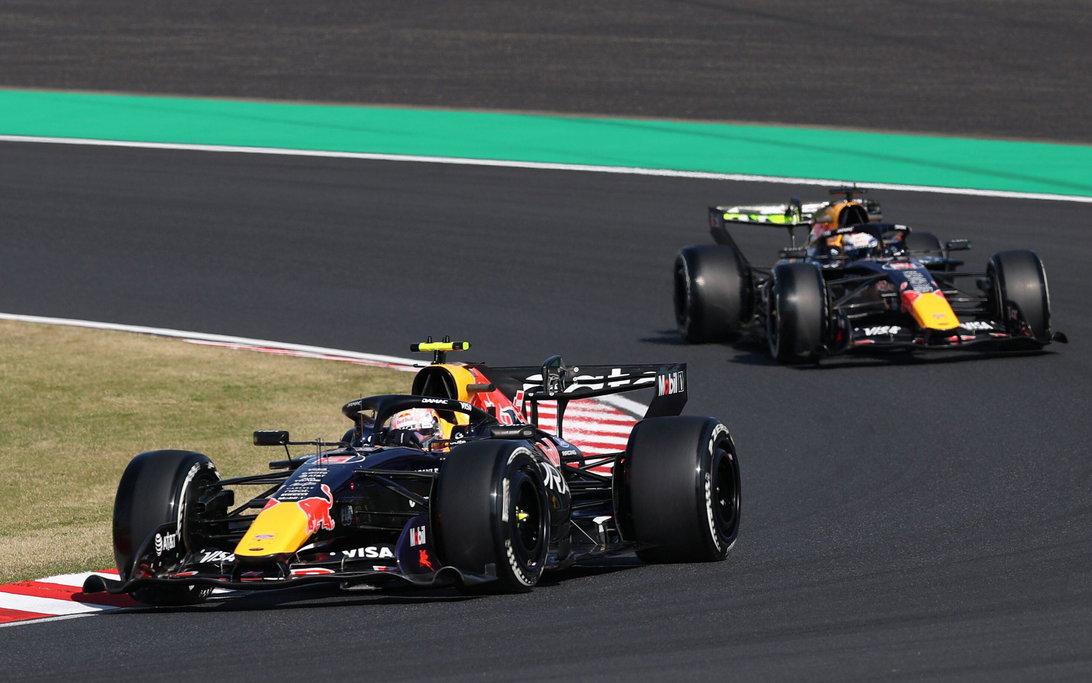
- Red Bull's Deepening Woes: Max Verstappen's average long-run deficit was a staggering 1.49 seconds per lap, placing him behind Haas and Alpine. Telemetry shows the RB22 loses time primarily in the corners, especially the fast esses, despite being competitive on the straights.
- Midfield Battle: Haas (+1.35s) and Alpine (+1.37s) led the midfield, with Audi (+1.52s) close behind and matching Red Bull's pace. Racing Bulls (+2.05s) and Williams (+2.43s) fell further back, with Aston Martin (+3.65s) a distant last.
What's Next:
Mercedes enters qualifying as the clear favorite for pole position, but the single-lap gap may be smaller. The real story will unfold in Sunday's race, where Mercedes' long-run pace advantage should allow them to control the Grand Prix from the front. Ferrari will aim to be the best of the rest, while McLaren must hope their superior qualifying speed can offset their race-pace deficit. All eyes will be on Red Bull to see if they can escape the midfield pack, a startling position for the former champions.
Original Article :https://www.motorsport.com/f1/news/long-runs-analysis-is-mercedes-sandbagging-in...