







McLaren's Stella Explains Why Verstappen's Title Charge Accelerated
McLaren team principal Andrea Stella has revealed that the team's development for the 2025 season hit a plateau earlier than anticipated. This unexpected slowdown in McLaren's progress created an opening for Max Verstappen and Red Bull to mount a formidable late-season charge, ultimately reigniting their championship aspirations.
Why it matters:
McLaren's decision to shift focus from the 2025 car's development, despite holding a strong position, highlights the razor-thin margins and strategic complexities of Formula 1. This strategic pivot inadvertently allowed a competitor to close the gap, underscoring how crucial continuous innovation and adaptive development are in maintaining a competitive edge against top-tier teams.
The Details:
- Development Stagnation: Stella stated that McLaren's pursuit of lap time with the MCL39 had "plateaued." He emphasized that further investment into the 2025 car would not have yielded significant gains, estimating it wouldn't add "one tenth of lap time."
- Maturity of the Project: Producing upgrades for the mid-season was described as a "huge undertaking" because the team was already struggling to improve what was a "pretty mature project."
- Challenges of Development: Stella pointed out that many teams, in their attempt to find more lap time, sometimes ended up losing it when upgrades failed to deliver expected results. He noted the sophistication and inherent difficulties in aerodynamic development.
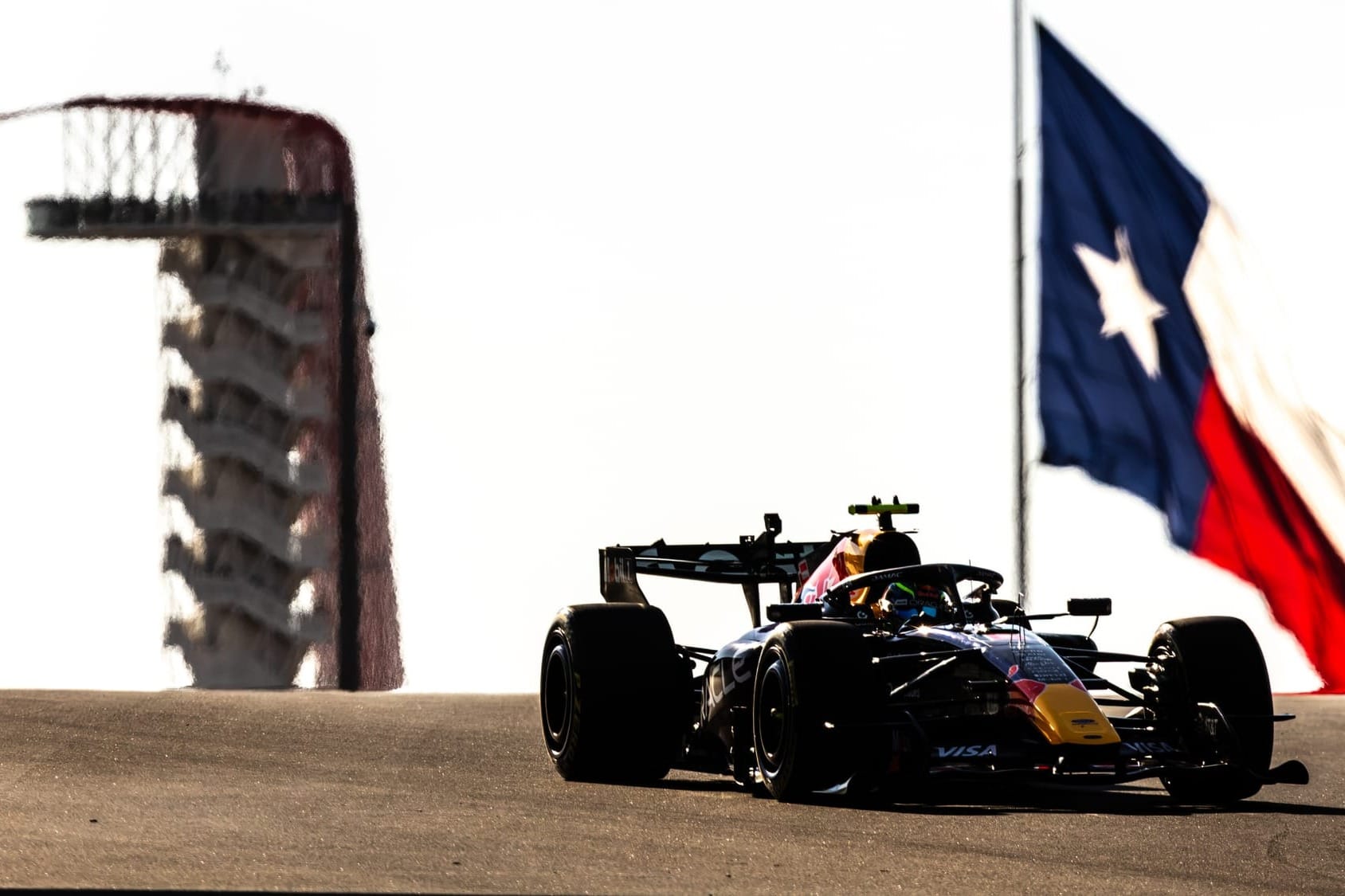
- Red Bull's Advantage: For Red Bull, development was an easier process because they had "specific problems" to fix, such as rebalancing issues with the front wing when using larger rear wings. "It's much easier to develop when you have some specific problems... you are effectively fixing something rather than trying to improve something that already works well," Stella explained.
- Verstappen's Influence: Chief adviser Helmut Marko credits Verstappen's increased influence for Red Bull's resurgence. The team expanded the RB21's operating window by prioritizing Verstappen’s feedback over purely relying on simulation and CFD data, giving him a significant voice in technical discussions.
The Big Picture:
This situation illustrates the delicate balance teams must strike between maximizing current performance and strategically planning for future regulations. While McLaren's early shift to 2026 development is a calculated risk for long-term gains, it provided an immediate window of opportunity for a rival like Red Bull, who capitalized on incremental fixes and driver feedback to regain momentum.
What's next:
McLaren's early pivot to the 2026 regulations suggests a long-term strategic play, but the immediate consequence was a more competitive Red Bull. The coming seasons will reveal if this trade-off was beneficial for McLaren's championship ambitions. Meanwhile, Red Bull's demonstrated ability to improve through targeted fixes and driver-centric development sets an interesting precedent for how teams might approach car evolution in the future.
Original Article :https://www.gpblog.com/en/news/mclarens-stella-reveals-why-verstappens-title-cha...
