



McLaren's Stella Calls for F1 Start Procedure Review After 'Near Miss'
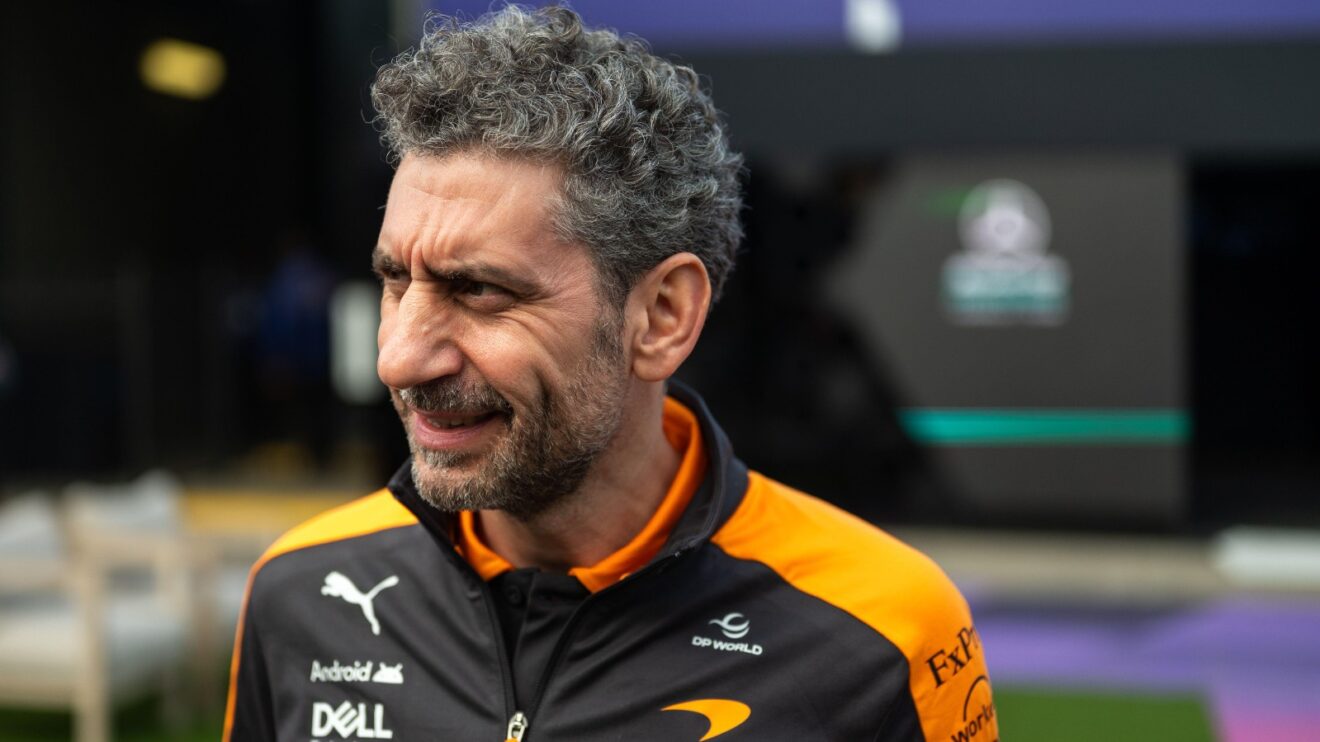
McLaren Team Principal Andrea Stella has issued a direct appeal to Formula 1's rulemakers, urging a review of race start procedures under the new 2026 regulations. He labeled the situation in the season opener a "near miss" due to dangerous speed differentials between cars and warned that without action, it "will become a problem." Stella also expressed concerns that overtaking has become overly reliant on battery deployment, creating an "artificial" dynamic.
Why it matters:
The start of a Grand Prix is one of the most critical and high-risk moments, packing the entire field into a tight space at high speed. Significant variances in acceleration, caused by the complex interplay of new turbo pre-charge phases and state-of-charge levels of the advanced battery systems, introduce a major and unpredictable safety hazard. Stella's warning, coming from a senior and respected team figure, pressures the FIA and F1 to proactively address these issues before a serious incident occurs, ensuring competition is decided by driver skill and car performance, not by initial energy disparities.
The Details:
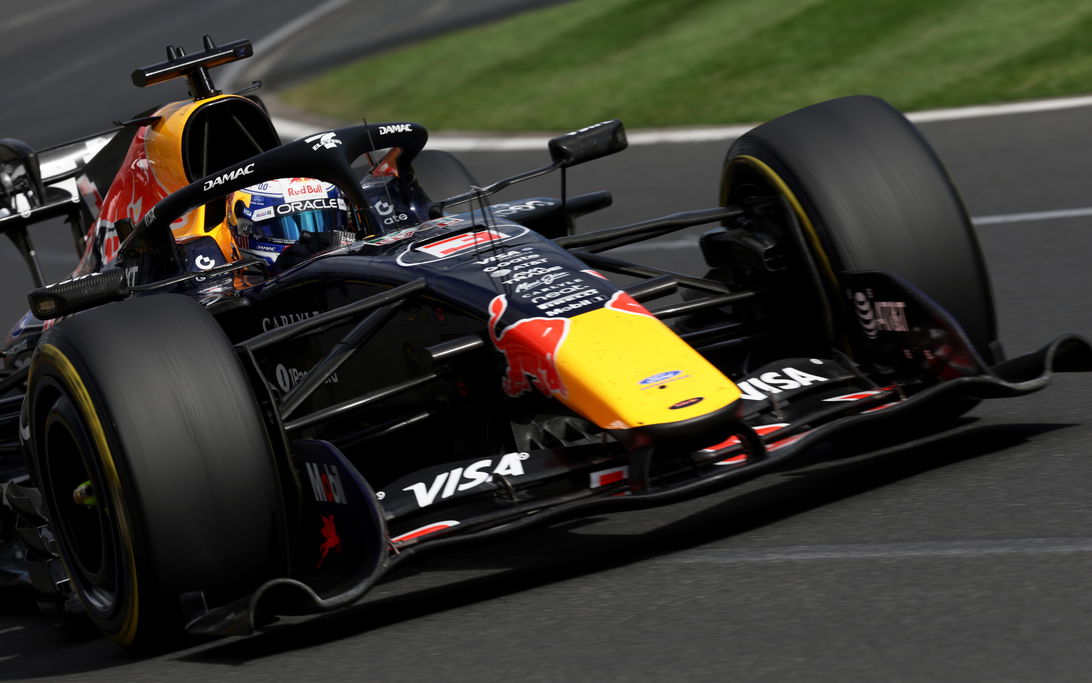
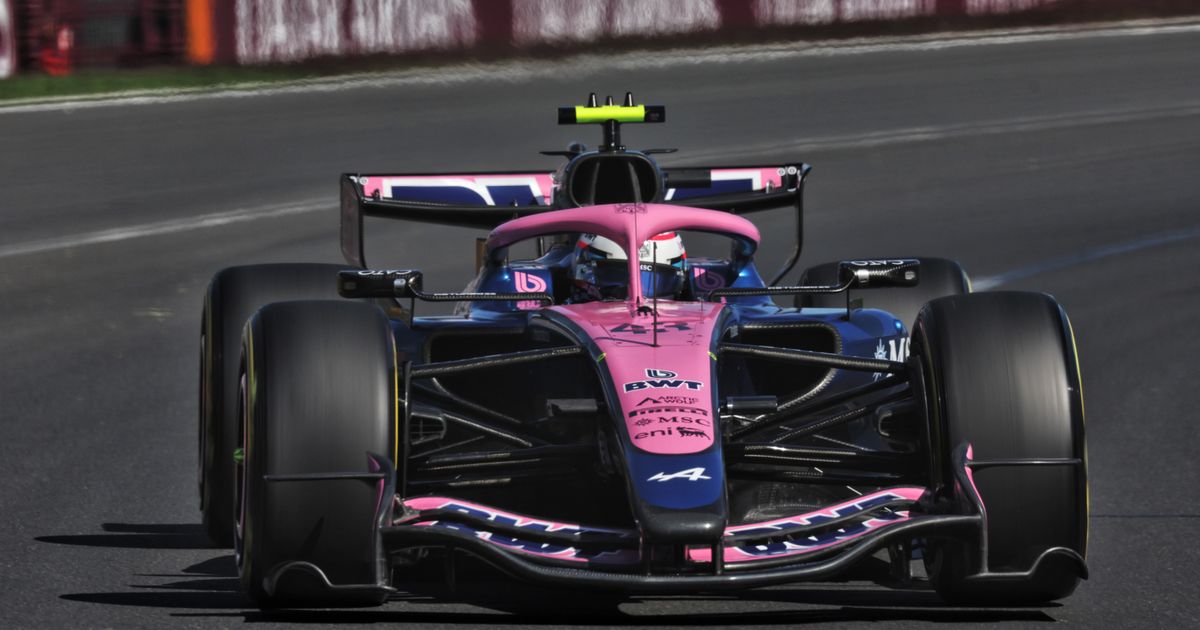
- The 2026 season opener exposed a flaw in the new start procedure. Drivers were given a period to spool up their turbos, but varying battery charge levels led to vastly different launch performances, with some cars like Liam Lawson's crawling off the line while others sped past.
- Stella highlighted three key areas of concern from the first race: the start procedure, speed differentials when cars are following closely, and the nature of overtaking.
- Safety First Mentality: Stella emphasized that the sport should not be complacent simply because a major crash was avoided. "We should not be happy because nothing happened. We should always be on the front foot when it has to do with safety," he stated, echoing driver Lando Norris's sentiments.
- Artificial Overtaking: The McLaren boss argued that early-race passes, while exciting, were often a simple function of which car had more battery energy available for deployment. Once cars settled into similar energy management patterns, overtaking became much more difficult, suggesting the new rules may not have improved racing in the way intended.
- Unpredictable Dynamics: Norris reported that it was "quite tricky" to manage cars closely following with unknown deployment statuses, creating unpredictable and potentially risky situations, especially on the first lap.
What's Next:
Stella's public comments are a formal call to action for the FIA's technical department and the F1 organization. His appeal is less about prescribing a specific technical fix and more about urging continued scrutiny and development of the start and energy deployment rules.
- Expect this feedback to be a key topic in upcoming Technical Advisory Committee meetings as teams and regulators analyze data from the first races.
- The focus will be on finding a technical or procedural solution to minimize speed differentials on the grid without compromising the core energy-recovery objectives of the 2026 regulations.
- How the governing body responds will be a test of its ability to adapt new sporting regulations in real-time based on team and driver feedback concerning safety and competition integrity.
Original Article :https://www.planetf1.com/news/mclaren-boss-warns-problem-appeal-f1-bosses-over-s...