

McLaren's Power Unit Puzzle Threatens Piastri's Title Bid
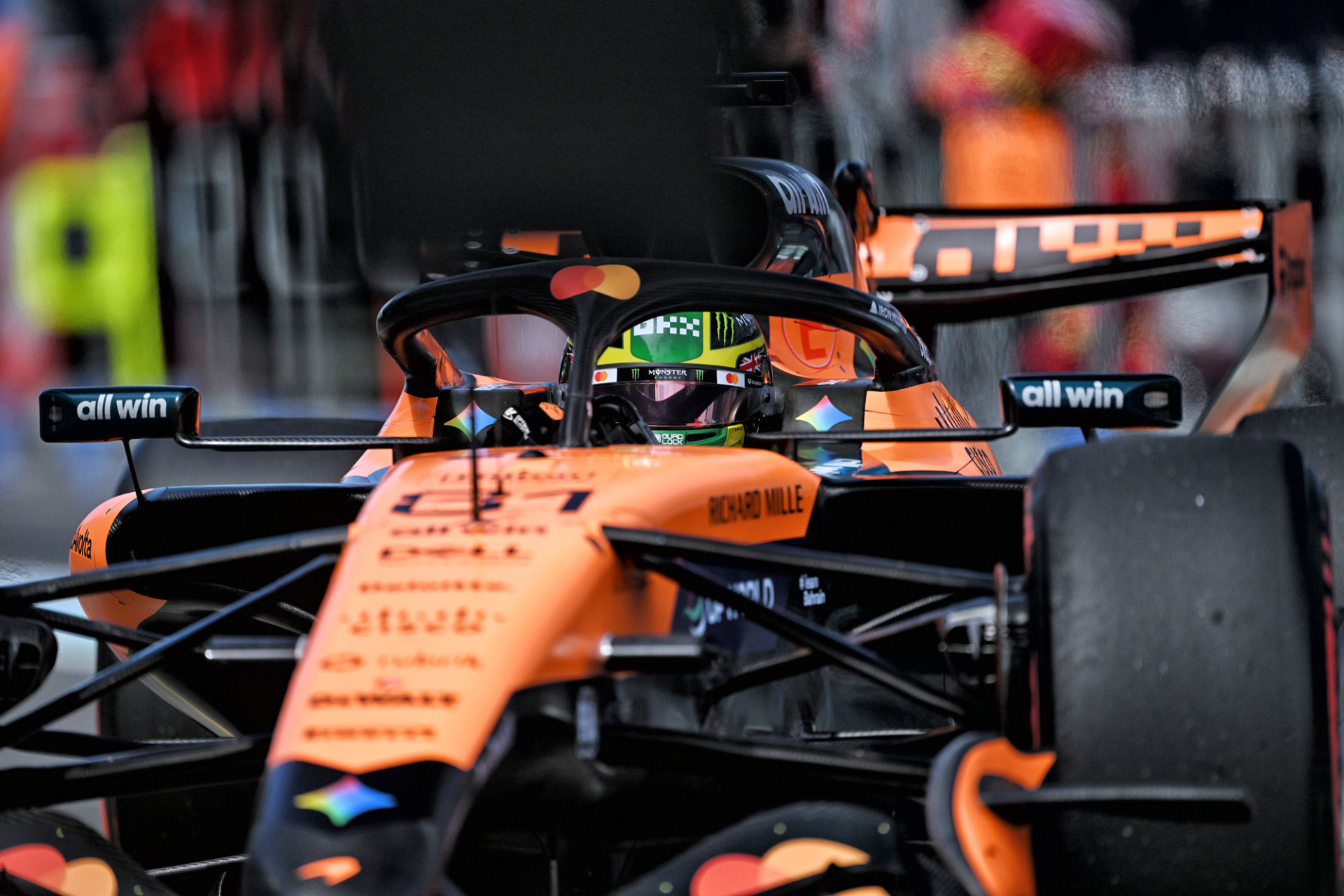
McLaren is grappling with a significant performance deficit to Mercedes despite using the same power unit, a mystery that team principal Andrea Stella admits has left them "a little puzzled." This gap, evident in both cornering and straight-line speed, poses a major hurdle for Oscar Piastri's ambitions to challenge for the 2026 world championship, especially after a disappointing qualifying session in Melbourne where he finished eight-tenths off the pole time.
Why it matters:
For a team and driver with clear title aspirations, unlocking the full potential of the car-engine package is non-negotiable. The new 2026 regulations place a heightened emphasis on complex electrical energy management, making seamless integration with the power unit supplier more critical than ever. If the performance gap is systemic and inherent to being a customer team, it could fundamentally undermine Piastri's and McLaren's competitive prospects for the entire season.
The details:
- The performance discrepancy was highlighted at the Australian Grand Prix, where GPS data showed McLaren losing considerable time to Mercedes on the straights, in addition to known deficits in the corners.
- Team principal Andrea Stella pinpointed the challenge as understanding "how to utilise the power unit with the complexities that came with the 2026 regulations," which demand sophisticated management of energy harvesting and deployment.
- Stella revealed this is the first time in three years as a Mercedes customer that McLaren feels "on the back foot" in predicting and improving car behavior, suggesting a new level of complexity in the partnership.
- A key concern is whether the issue is limited to parameters McLaren can control or involves "more systemic" factors a customer team cannot access, hinting at a possible advantage for the Mercedes works team from earlier development insight.
- Driver Adaptation: Stella emphasized the extreme sensitivity of the new systems, stating drivers are now essentially "driving the battery." Small changes in lift-and-coast tactics can have large, unpredictable effects on energy deployment elsewhere on the lap, increasing reliance on advanced simulation tools.
What's next:
McLaren is collaborating directly with engineers from Mercedes' High Performance Powertrains (HPP) division to diagnose and solve the issue. Stella believes there is "some low hanging fruit" to be gained, but a deeper analysis is required to understand the full scope of the problem. The team's ability to quickly master these new tools and energy management techniques will be decisive in determining if they can close the gap to Mercedes and provide Piastri with a car capable of fighting for the championship.
Original Article :https://speedcafe.com/f1-news-2026-australian-grand-prix-oscar-piastri-mclaren-m...