




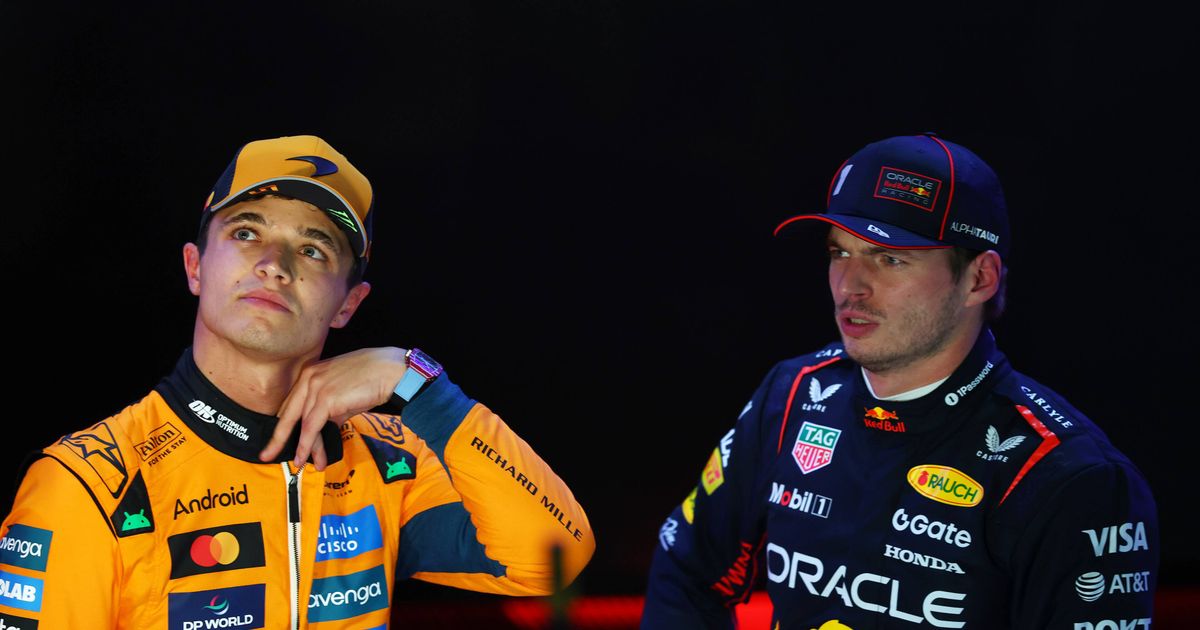
McLaren addresses overtaking flaw highlighted by Verstappen and Norris
McLaren team principal Andrea Stella has explained the strategic energy deployment dilemma that forced drivers into immediate overtaking attempts at the Japanese Grand Prix, agreeing with criticisms from Lando Norris and Max Verstappen. He pinpointed the Suzuka circuit's unique layout and current F1 power unit regulations as the core issues, advocating for greater tactical freedom for teams and drivers to improve racing.
Why it matters:
The current regulations are inadvertently dictating race strategy rather than enabling driver skill, creating predictable and sometimes frustrating overtaking sequences. Stella's technical breakdown highlights a significant flaw where the pursuit of energy efficiency is compromising wheel-to-wheel battles, a core tenet of the sport that the 2026 regulations are meant to enhance.
The details:
- The Circuit Conundrum: Stella explained that Suzuka’s sequence of three long straights (after the Degner curves, between Spoon and the chicane, and after the chicane) creates an energy deficit. Teams cannot deploy maximum electrical power on all three, forcing a critical choice of when to attack or defend.
- The Forced Move: The optimal overtaking spot was identified as the straight between Spoon Corner and the chicane. Using the energy boost there leads to extremely high speeds (approx. 340 km/h) approaching the famed 130R corner.
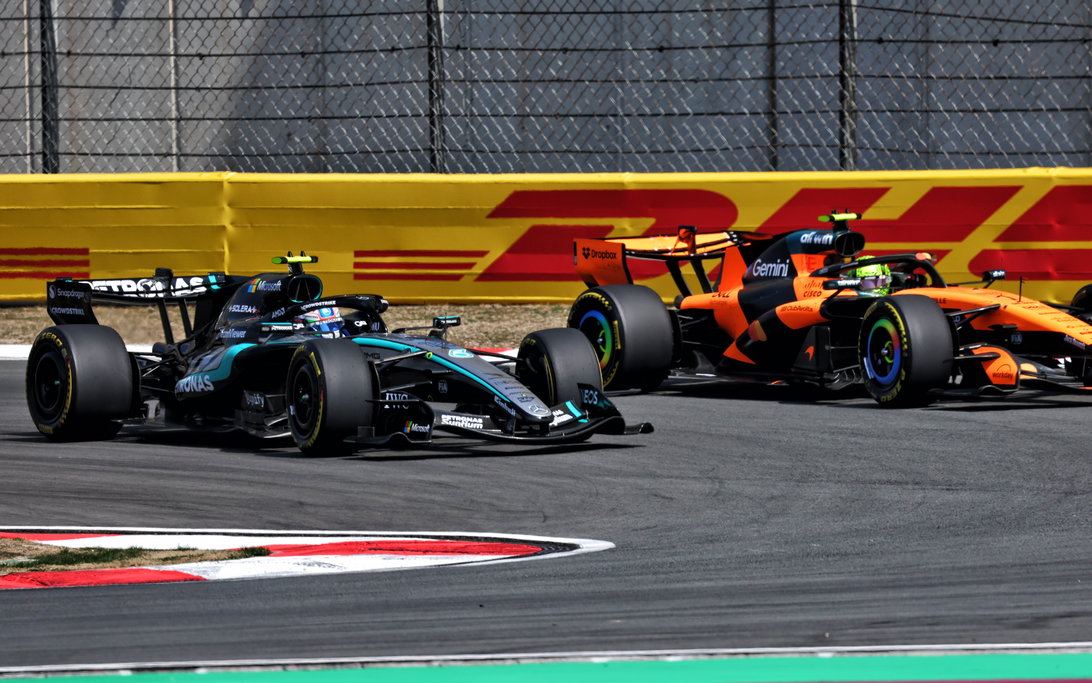
- The Domino Effect: At that speed, 130R becomes a lift-off corner for stability, not just for energy recharge. This mandatory lift, followed by the regulations forcing electrical deployment upon re-applying throttle, rapidly depletes the battery. This leaves the attacking car vulnerable to an immediate counter-overtake on the next straight, as seen repeatedly between Norris and Lewis Hamilton.
- Regulatory Rigidity: The core issue, according to Stella, is a lack of flexibility. The system automatically mandates electrical deployment when the driver gets back on power, regardless of the strategic situation. He argues engineers should be allowed to designate circuit sections where deployment is withheld after a lift, preserving energy for a more strategic fight.
What's next:
Stella has formally suggested the FIA review the battery deployment rules to introduce more strategic freedom. This technical feedback from a top team is likely to be considered as the governing body continues to refine the power unit regulations ahead of the 2026 season. The goal is to ensure the rules promote closer, more strategic racing where driver skill and team strategy can overcome the limitations of energy management, rather than being dictated by them.
Original Article :https://www.gpblog.com/en/news/mclaren-addresses-major-flaw-flagged-by-verstappe...