





Mastering the Compromise: The Strategic Blueprint for the US Grand Prix
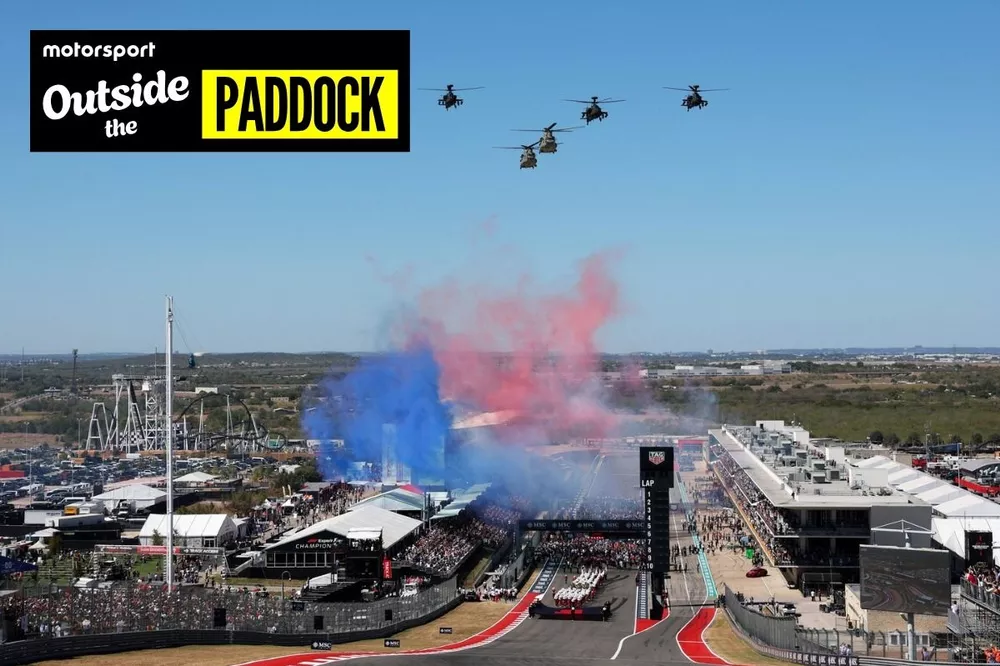
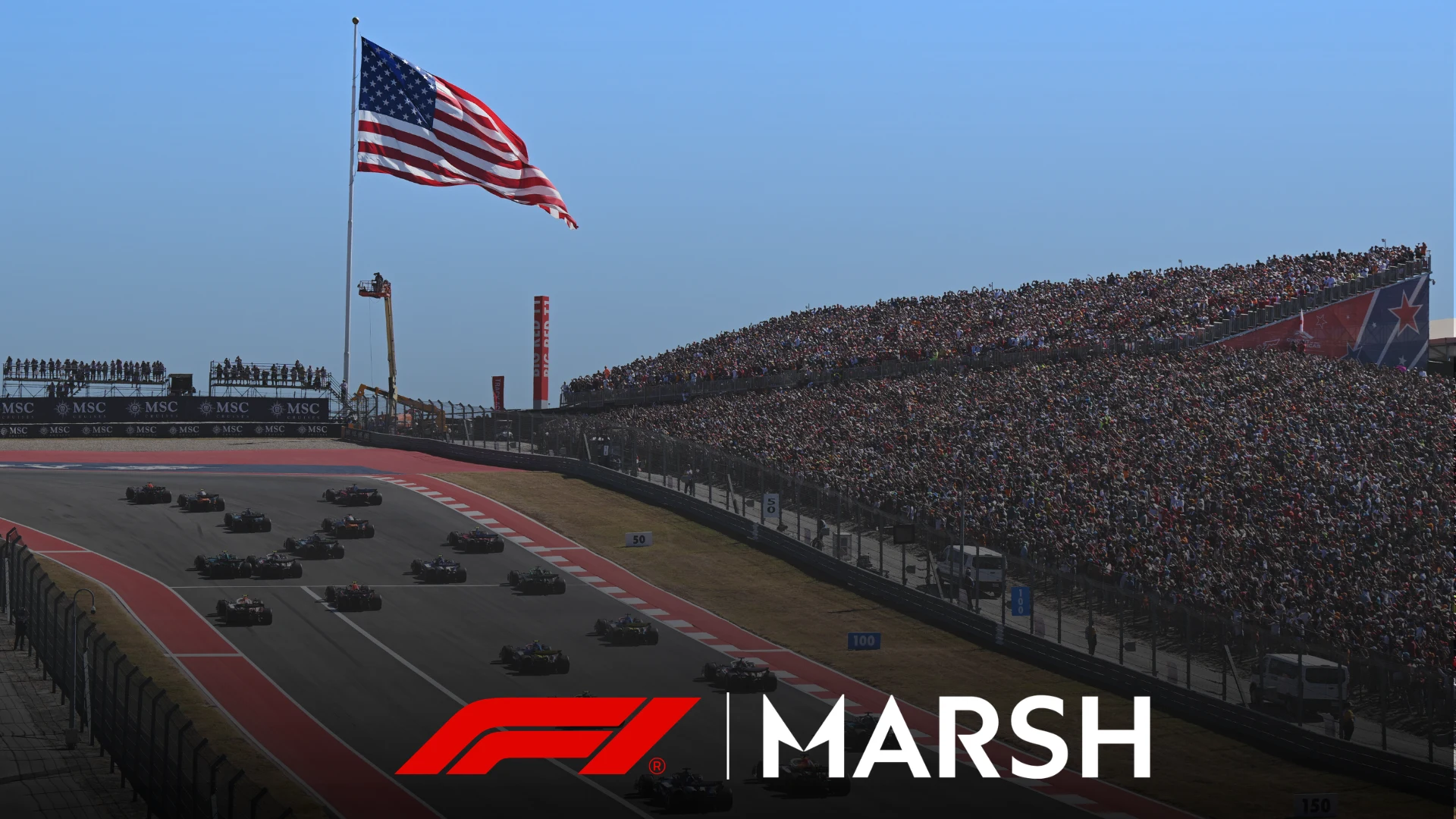
The US Grand Prix at COTA remains one of the most demanding fixtures on the 2026 calendar. Its unique layout forces a brutal compromise: teams must choose between optimizing for the high-speed opening sector or the technical low-speed sections, as a "perfect" setup for both is virtually impossible.
Why it matters:
Navigating COTA is a high-stakes balancing act. Beyond the engineering conundrum, drivers face an ephemeral "Goldilocks Zone" during qualifying—pushing too hard early destroys the tires before the final sector, while being too cautious costs precious tenths. In a season defined by tight margins, the ability to manage this volatility often separates the podium finishers from the midfield.
The Details:
- Engineering Trade-offs: Chief Race Engineer Xavi Marcos Padros (Cadillac) emphasizes the struggle between ride height and stability. Teams must raise the car to handle COTA's notorious bumps while ensuring the plank doesn't wear down beyond legal limits.
- Tire Strategy: Pirelli has returned to the C2-C3-C4 compound range for 2026. While historical data suggests a toss-up between one and two stops, current trends in 2026 lean toward one-stoppers, though high Texas temperatures could trigger higher degradation.
- The Critical Corner: Turn 19 is the weekend's pivot point. As a downhill left-hander coming off a series of right-handers, it tests exhausted tires and serves as the gateway to the main straight's Overtake Mode detection point.
The Big Picture:
Success at COTA is rarely about raw pace alone; it's about calculated risk. The 2021 race remains a masterclass in this, where Red Bull used Sergio Perez as a data gatherer in practice to perfect the undercut strategy for Max Verstappen. This willingness to trade immediate practice data for race-day precision remains the gold standard for strategic dominance in modern F1.
What's next:
As the paddock settles into Austin, focus shifts to the Friday practice sessions. Teams will use simulator data as a baseline but will rely heavily on driver feedback to fine-tune damper settings for the bumps. The goal is a "happy medium" that allows for a competitive qualifying lap without sacrificing race-pace reliability.
Original Article :https://www.formula1.com/en/latest/article/the-risk-perspective-how-f1-drivers-e...