




Lewis Hamilton Confirms Ferrari's Rotating Rear Wing for Chinese GP
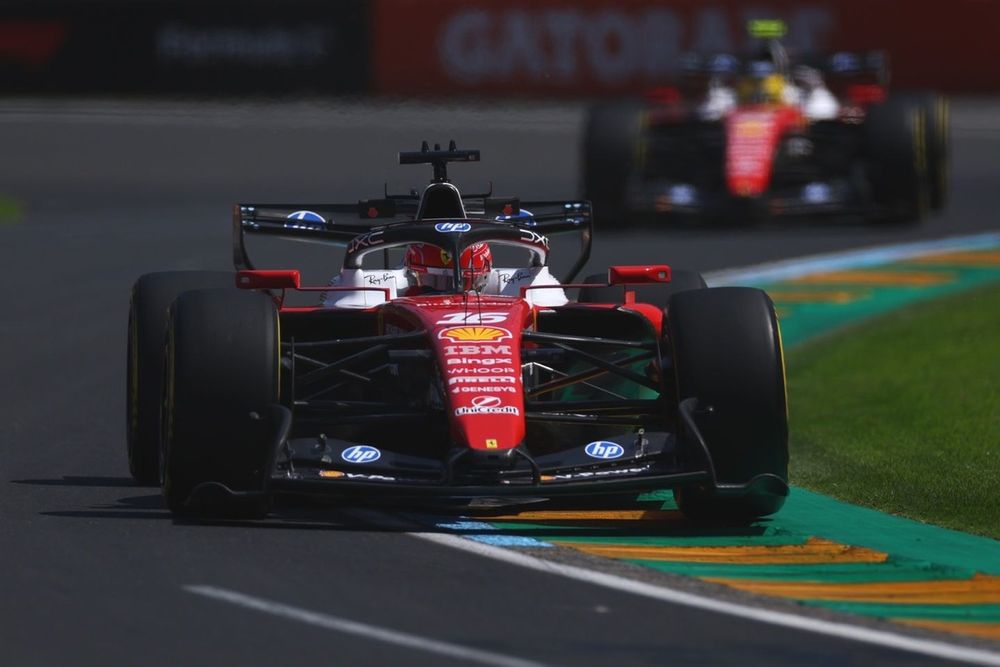
Lewis Hamilton has confirmed that Ferrari will race its innovative rotating rear wing at the Chinese Grand Prix, despite known potential drawbacks to the design. The team accelerated its development, bringing the upgrade to Shanghai earlier than initially planned as they seek to close the gap to Mercedes.
Why it matters:
Ferrari's decision to deploy this unconventional aerodynamic device highlights their aggressive development push under the 2026 regulations. Introducing a major and visually distinct upgrade so early in the season is a clear statement of intent, signaling a technical philosophy focused on innovation to challenge the established frontrunners. Its performance in Shanghai will be a crucial real-world test of a concept other teams reportedly considered but abandoned.
The Details:
- Hamilton revealed the team worked "really hard" to bring the wing forward from its original later-season schedule, expressing gratitude for the factory's push to deliver upgrades rapidly.
- The seven-time champion confirmed the wing, which he joked some call the "macarena," does not feel different from a conventional DRS wing from the driver's seat, with the visual rotation only apparent in the mirrors.
- Technical Analysis: As detailed in pre-season, the design's mechanism differs significantly from a standard DRS flap. Instead of simply lifting, a section of the mainplane rotates to alter the wing's profile and reduce drag.
- Potential Drawbacks: Rival teams explored similar concepts but cited drawbacks that made them pause development. These include:
- A longer actuation time compared to DRS.
- A temporary "sail-like" effect during the opening and closing phases, which could momentarily destabilize the car.
- Strategic Gamble: By committing to it for a race weekend, Ferrari is betting that the aerodynamic benefits in a straight line outweigh these potential operational compromises and reliability concerns.
What's Next:
All eyes will be on Ferrari's long-run pace and straight-line speed during practice in Shanghai to gauge the wing's immediate impact. The Chinese Grand Prix will serve as the first true competitive benchmark for the technology. Its success or failure could define Ferrari's early-season development trajectory, either validating their aggressive approach or forcing a swift re-evaluation if the drawbacks prove too costly on track.
Original Article :https://www.planetf1.com/news/lewis-hamilton-ferrari-rear-wing-chinese-grand-pri...