



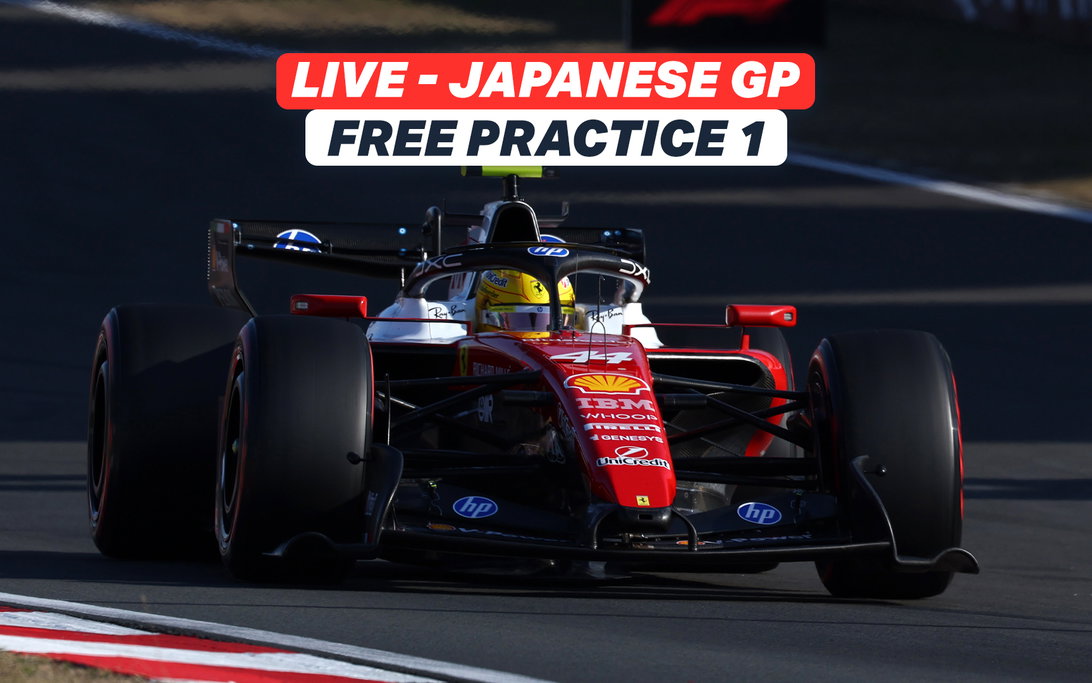


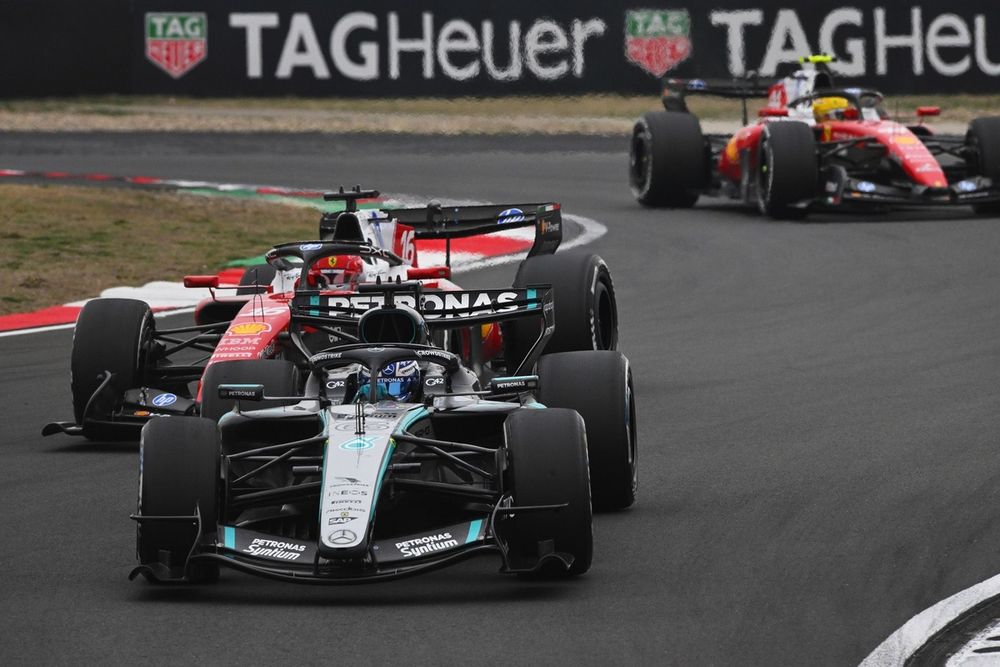
Leclerc: Ferrari still 0.5s behind Mercedes despite close racing
Charles Leclerc has dismissed the notion that Ferrari is a genuine race-winning threat to Mercedes, stating the Scuderia remains around half a second per lap slower despite their thrilling on-track battles. While the opening laps in Australia and China created the illusion of a close fight, Leclerc asserts that Mercedes' superior raw pace becomes undeniable once they find clear air.
Why it matters:
The admission highlights a significant performance gap that strategic racing and race-start chaos can temporarily mask. For Ferrari, closing this deficit is critical to transforming podium finishes into actual victories and mounting a sustainable championship challenge, rather than relying on opportunistic moments in traffic.
The details:
- Performance Disparity: Leclerc estimates Mercedes holds a four-to-five-tenths of a second advantage per lap, a "significant" gap that defines the current competitive order.
- The "Yo-Yo" Effect: The close racing seen early in races is a product of circumstance. When battling, cars cannot execute the optimal energy management lap, allowing the slightly faster Ferrari to stay attached to the Mercedes.
- This connection is fragile; if broken by a pit stop or traffic, Ferrari lacks the pure pace to recover, as seen when Mercedes pitted under the Australian Grand Prix safety car.
- Technical Contrast: The cars have different strengths. The Mercedes W17 excels in mechanical balance and downforce, carrying more speed into corners for better energy harvest.
- Ferrari's Niche: The SF-26 was designed with a smaller-turbo solution to mitigate turbo lag from the new power unit rules, giving it better acceleration out of corners and off the line—explaining its strong race starts.
The big picture:
Ferrari finds itself in a clear ‘best of the rest’ position behind a dominant Mercedes. Their current strategy is one of disruption—using their car's specific strengths to "annoy" Mercedes in the opening phases—while working on longer-term developments to bridge the genuine performance gap. Leclerc remains cautiously optimistic about planned upgrades but emphasizes the team must avoid overreacting in its development race.
Original Article :https://www.motorsport.com/f1/news/leclerc-ferrari-not-as-close-to-mercedes-as-p...