



Leclerc defends 2026 F1 cars as 'not artificial' amid driver criticism
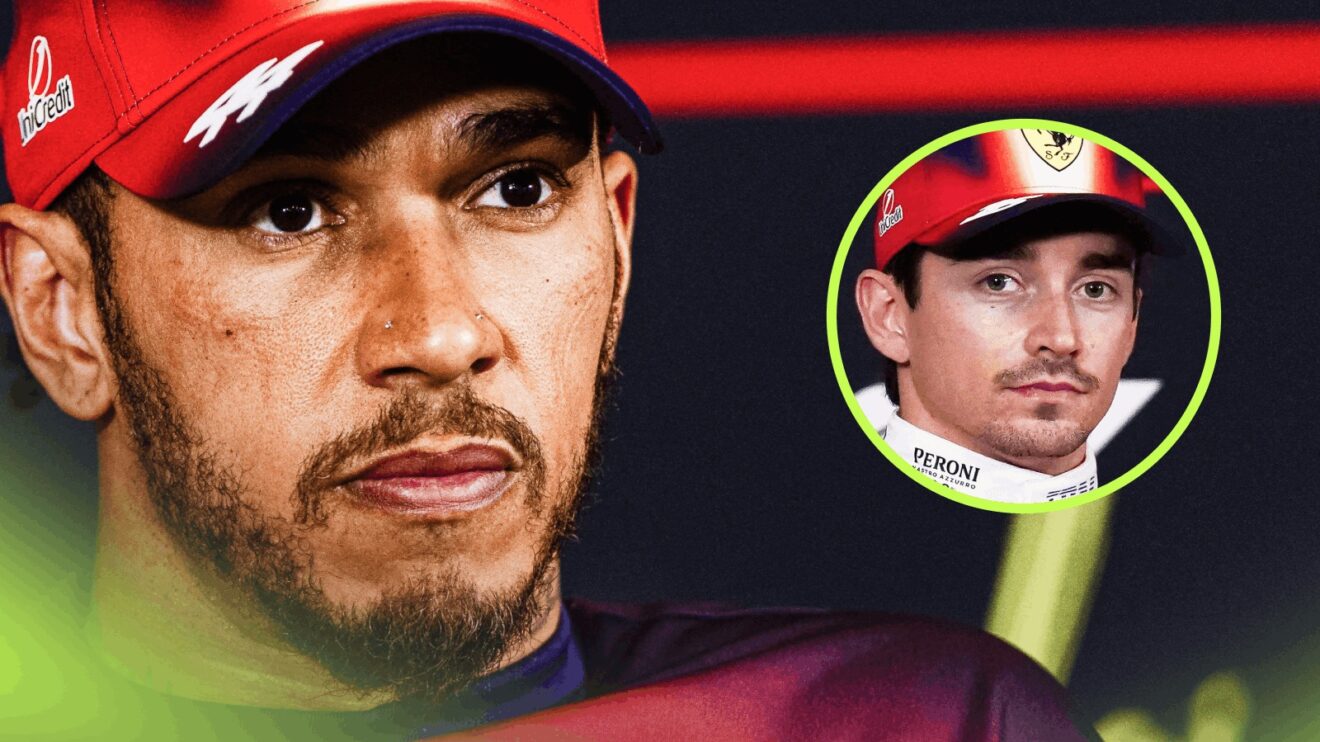
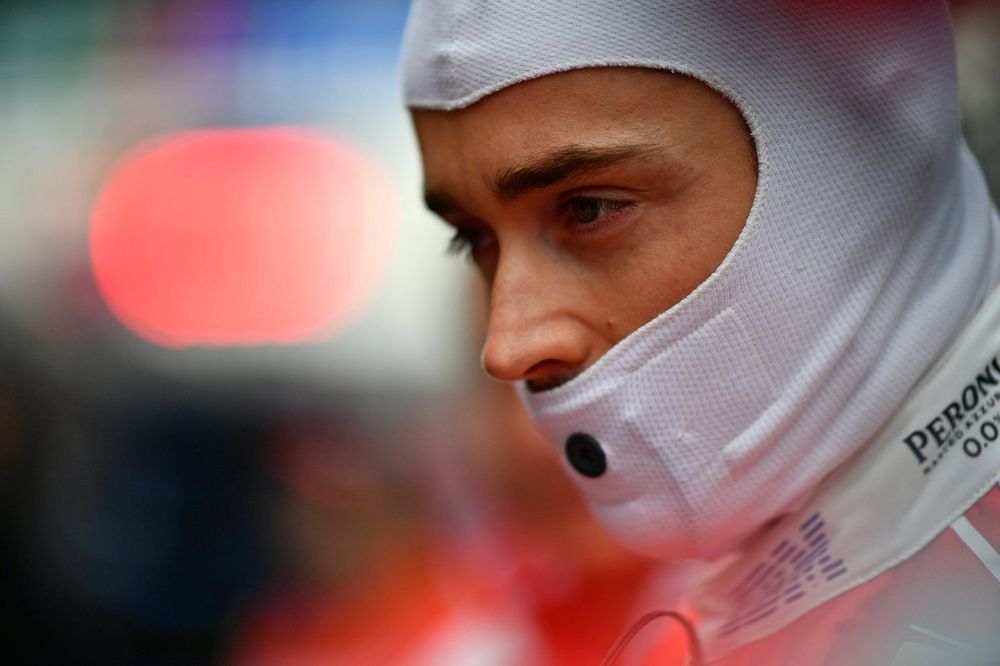
Charles Leclerc has offered a contrasting view to many of his peers, stating the new 2026 Formula 1 cars do not feel "artificial" from the cockpit despite widespread criticism of the regulation overhaul. The Ferrari driver pointed to the intense, multi-lap battles seen in China as evidence of engaging racing, though he acknowledged qualifying needs improvement to better reward driver skill.
Why it matters:
The split in driver opinion highlights the fundamental challenge of the 2026 regulations: balancing spectacle with pure performance. While some drivers lament the loss of high-downforce monsters, others find strategic depth in the new energy management battles. This divide could influence future regulatory tweaks as F1 seeks to refine its new era.
The details:
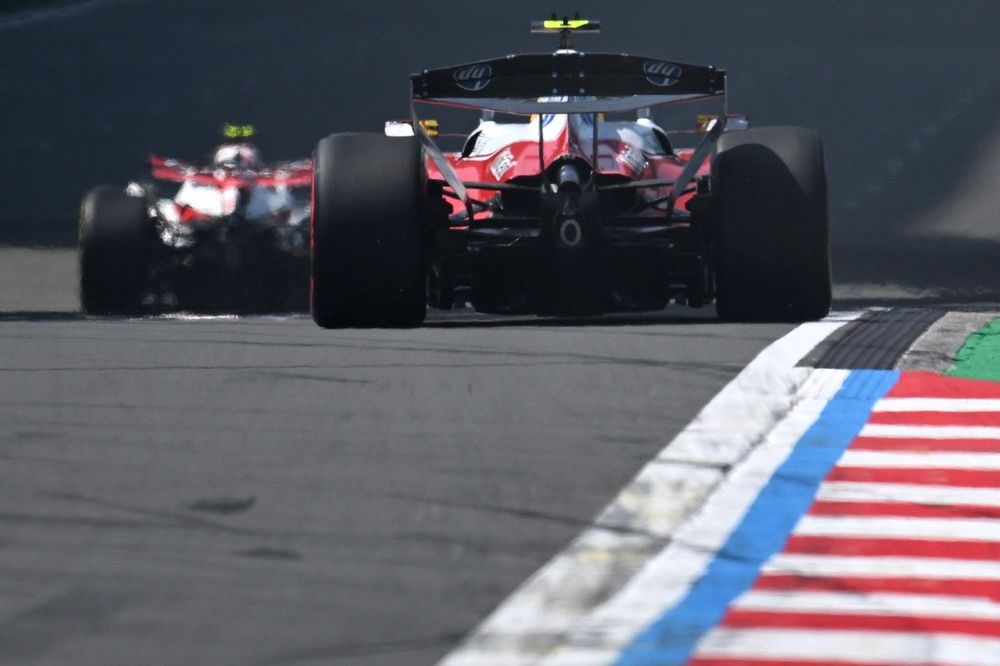
- The 2026 cars feature a near 50/50 split between internal combustion and electrical energy, leading to a pronounced "yo-yo" effect in races, where positions can swap multiple times per lap based on battery deployment.
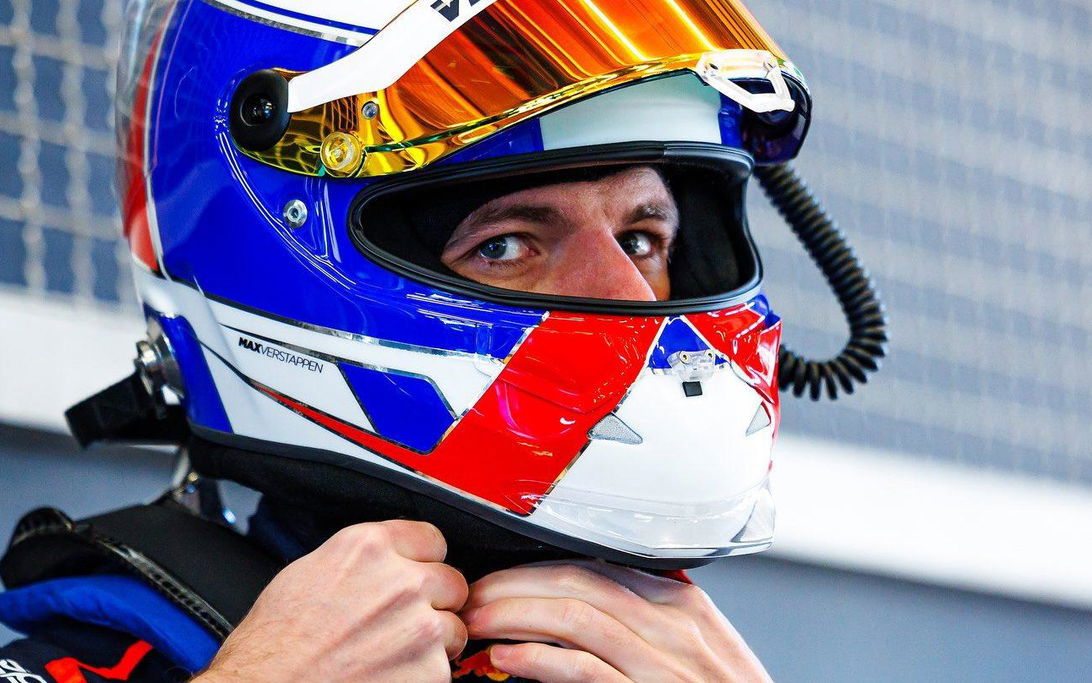
- Max Verstappen, Lando Norris, Carlos Sainz, and Esteban Ocon have been vocal critics, with Verstappen stating fans who enjoy it "don't understand racing" and Norris calling them a step down from the "best cars ever."
- Leclerc, along with other front-running drivers from Mercedes and Ferrari, has been more supportive, arguing the racing creates "very interesting overtaking places."
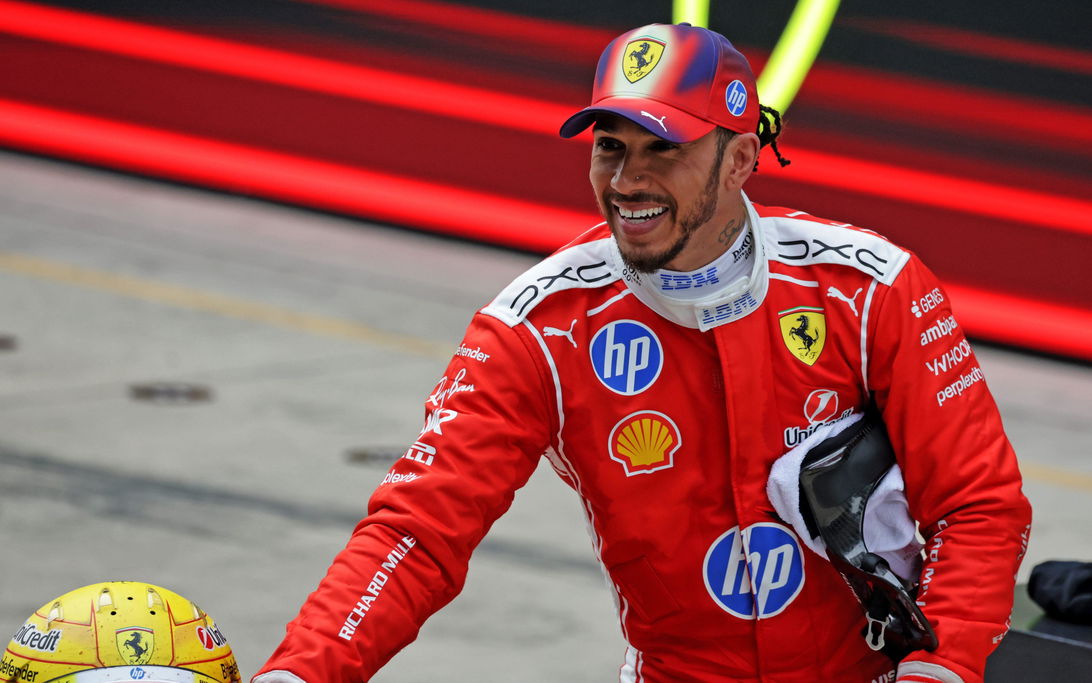
- The Chinese Grand Prix featured extended wheel-to-wheel fights, notably through the Turn 6-9 complex, in battles involving Leclerc, Lewis Hamilton, and George Russell.
- Leclerc admitted overtakes can seem artificial when a driver makes a major battery error, but believes teams are converging on understanding the system's limits.
What's next:
While enjoying the race craft, Leclerc joined critics in highlighting a key area for development: qualifying performance. He stated the current cars, with their lower downforce, don't fully reward drivers on the absolute limit in a single lap, missing something that feels "Formula 1-like." He confirmed the FIA is aware and working on solutions. As teams further optimize the new power units and chassis, the focus will be on enhancing single-lap performance without sacrificing the close racing the 2026 rules have produced.
Original Article :https://www.motorsport.com/f1/news/charles-leclerc-f1-2026-cars-dont-feel-artifi...