



Ferrari's transparent halo wings spark FIA legality debate
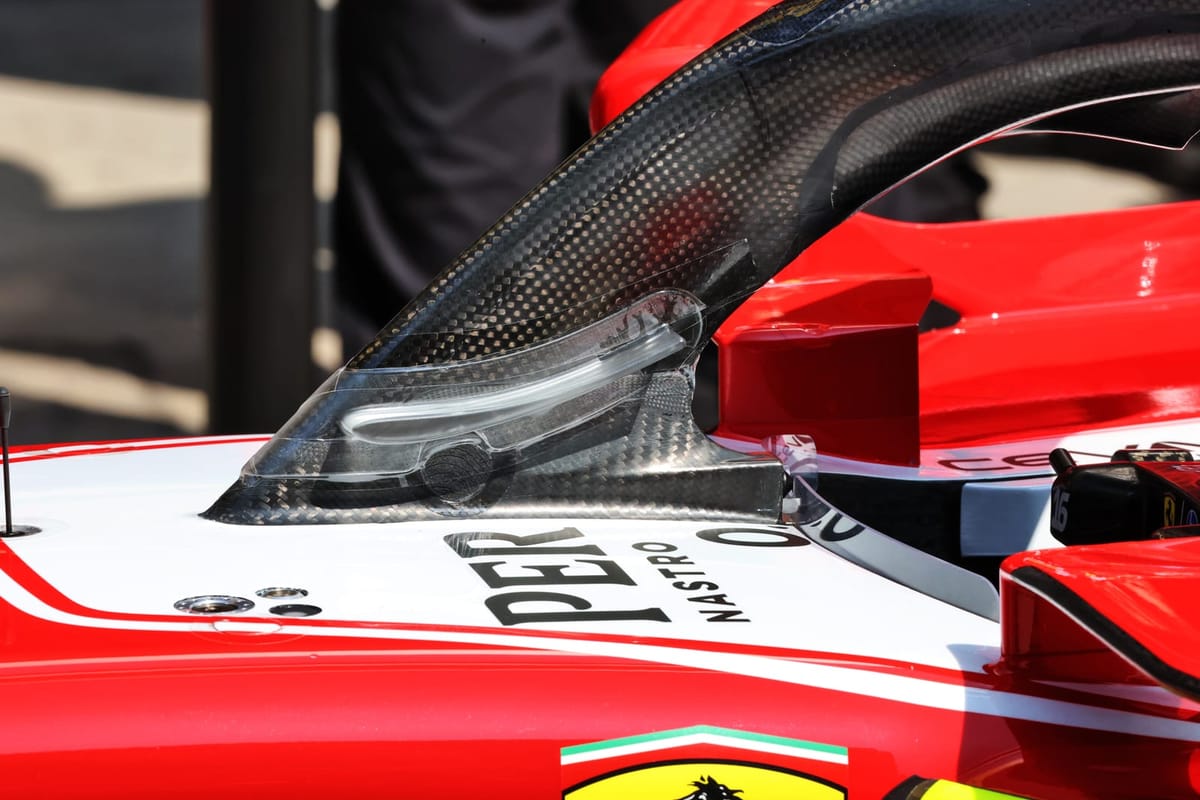
Ferrari removed a pair of innovative, transparent winglets from its cars' halo structures at the Chinese Grand Prix after discussions with the FIA over their legality. The Scuderia had introduced the aerodynamic devices to optimize airflow around the cockpit, but their unique design and material triggered a regulatory grey area, prompting the team to take a cautious approach on a sprint weekend.
Why it matters:
This incident highlights the constant, high-stakes battle between Formula 1 teams pushing the boundaries of innovation and the FIA's role in policing the technical regulations. Ferrari's attempt to exploit a specific rule shows how teams seek every thousandth of a second, while the governing body's immediate scrutiny underscores its commitment to maintaining a level playing field and strict interpretation of the rules.
The details:
- Ferrari fitted the small, transparent winglets to the central pillar of the halo during practice and for the Shanghai sprint race, aiming to improve airflow around the driver's helmet and generate incremental downforce.
- The team voluntarily removed them before grand prix qualifying following questions from the FIA, prioritizing a risk-free weekend over a minor performance gain that could have been subject to post-race protest.
- The Regulatory Grey Area: The core of the debate lies in Article C13.3.1, which permits a "transparent windscreen" of specific dimensions to be fitted to the cockpit opening. Ferrari's winglets were made of a transparent material, suggesting the team argued they were a creatively shaped windscreen, a component not bound by the stricter rules for aerodynamic bodywork on the halo.
- The FIA's Concerns: The governing body was reportedly unconvinced by this interpretation. It sought clarification on two main points:
- Whether the winglet's complex shape and placement truly complied with the strict dimensional and positional definitions for a windscreen.
- Whether the transparent material used was permitted, as regulations for halo fairings specify a laminate list that does not include such see-through composites.
What's next:
Ferrari's decision to retreat provides time for further analysis and discussion with the FIA. The team must now decide if the aerodynamic benefit, estimated at just a few hundredths of a second per lap, is worth pursuing a formal clarification or redesign to satisfy the regulators.
- If Ferrari can convincingly argue its case under the windscreen provision, the design could return later in the season.
- However, the precedent suggests the FIA will maintain a narrow interpretation, likely requiring significant modification for the concept to be deemed legal. This episode serves as another chapter in F1's endless innovation chess game, where a clever idea is only as good as its compliance with the rulebook.
Original Article :https://www.the-race.com/formula-1/ferrari-halo-wing-f1-legality-questions-remov...