





Lawson warns of unavoidable collisions under new F1 energy rules
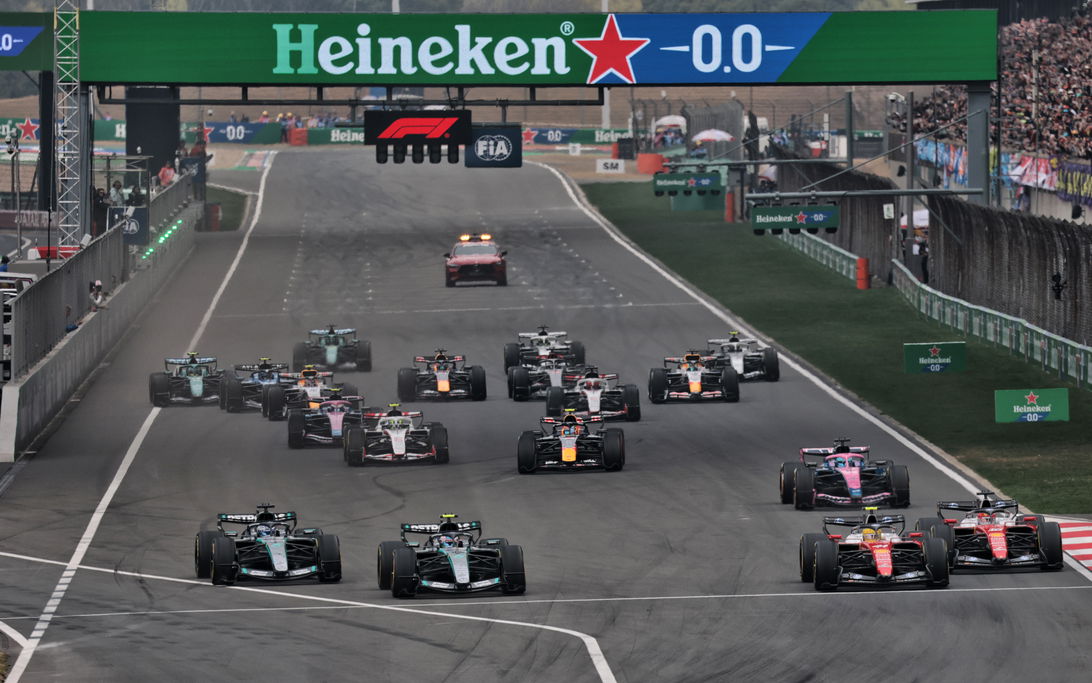
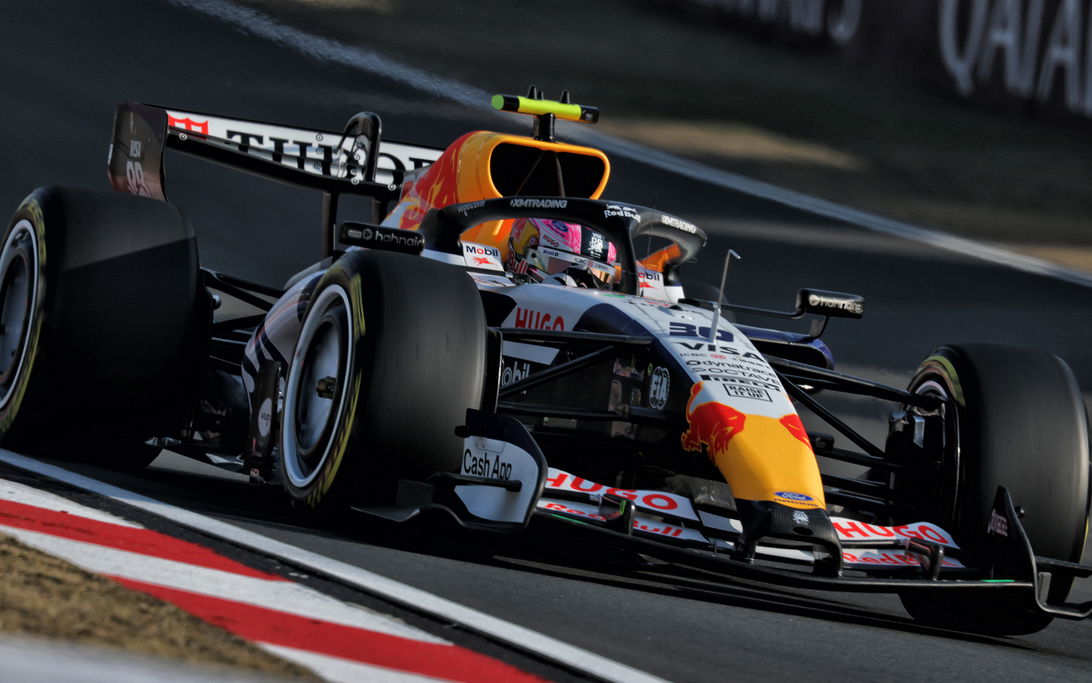
Liam Lawson has raised a serious safety concern, stating it is nearly impossible to avoid hitting a car ahead if it suddenly begins recharging its battery while both are in a straight-line speed mode. The new power unit regulations have created massive speed differentials on track, turning cars with depleted energy into "sitting ducks" and leading to several near-misses already this season.
Why it matters:
This isn't just a performance issue—it's a direct safety hazard. The core purpose of regulations is to ensure fair and safe competition, but if drivers cannot reliably predict or react to the drastic speed changes of competitors, the risk of a high-speed collision increases significantly. It challenges the fundamental assumption that a driver can always take evasive action.
The details:
- The 2026 power unit rules allow for significant energy deployment and harvesting, leading to extreme speed differences—sometimes over 30 km/h—between cars on the straights depending on their battery mode.
- Lawson highlighted that when a car ahead unexpectedly switches to harvesting (recharging) mode while the pursuing car has its Straight-Line Mode (SLM) activated for maximum speed, the closing rate is too sudden to avoid contact.
- There is currently no standardized strategy across teams or engine manufacturers for when to deploy or harvest energy. Racing Bulls, according to Lawson, makes its own decisions independently rather than synchronizing with common patterns.
- This inconsistency makes it extremely difficult for drivers to anticipate the behavior of the car in front, removing a key element of racecraft and situational awareness.
What's next:
The ball is now in the FIA's court. Drivers and teams will likely push for greater standardization or clearer rules to mitigate this unpredictable danger.
- One potential solution could be mandating designated zones for energy harvesting, similar to DRS zones, to create predictable patterns.
- Alternatively, the FIA may need to review the permitted delta in closing speeds or implement a driver warning system within the cockpit.
- Until a solution is found, drivers will have to exercise extreme caution on straights, potentially negating the racing benefits the new power unit rules were designed to create.
Original Article :https://racingnews365.com/liam-lawson-fears-major-accident-in-f1-rules-problem