





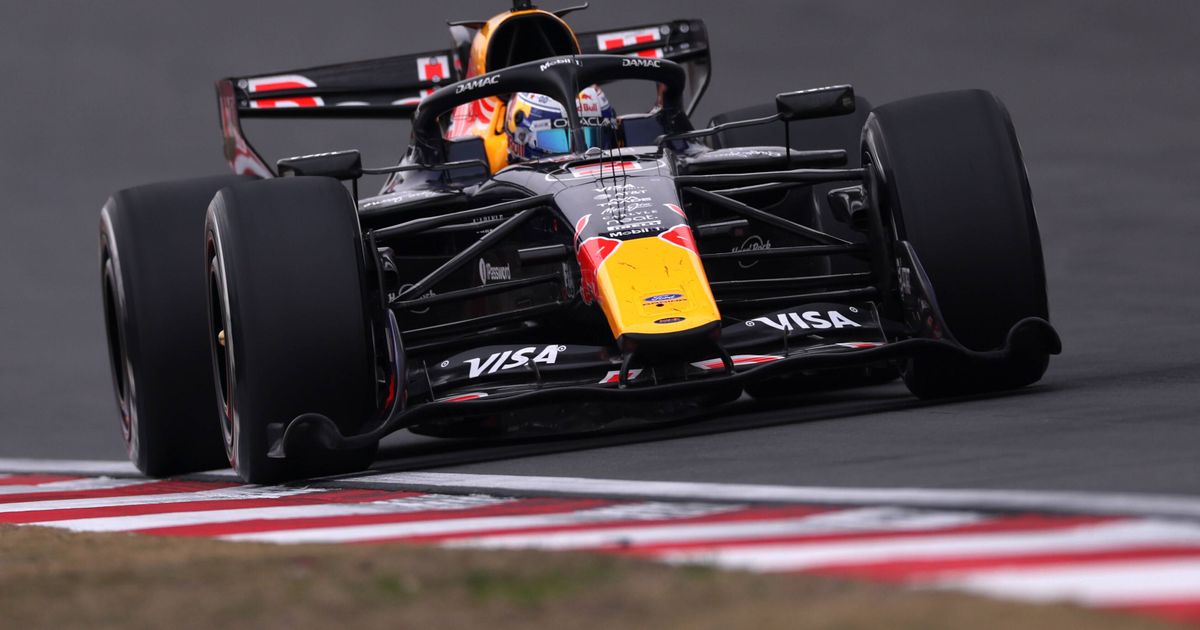

Lawson Optimistic for Japan After Points Haul in China
Liam Lawson heads to the Japanese Grand Prix buoyed by a double-points finish in China, where he maximized a difficult weekend for Racing Bulls. The New Zealander scored seventh in both the Sprint and the Grand Prix in Shanghai, securing eight crucial championship points despite admitting the circuit did not suit his car. His performance underscored the importance of reliability and strategic execution in the new 2026 F1 era, where energy management has become the primary focus over traditional car setup.
Why it matters:
For a midfield team like Racing Bulls, capitalizing on high-attrition races is essential for a strong championship position. Lawson’s result in China, where seven cars retired, demonstrates the team’s ability to execute flawlessly on strategy and reliability when outright pace is lacking. This points-scoring consistency is what separates the upper midfield from the back of the pack over a full season.
The Details:
- Lawson capitalized on F1's first Sprint weekend of 2026 in Shanghai, finishing seventh in both the 100km dash and the main Grand Prix.
- He admitted the VCARB 03 lacked pace at the Shanghai International Circuit, making the eight-point haul a significant overachievement based on pure performance.
- The result was built on strong strategic calls and reliability, with Lawson noting that “all the things in our control... we maximised.”
- The 2026 Learning Curve: Lawson highlighted the radical shift in driver focus with the new-generation cars, moving from optimizing car balance to managing complex energy systems.
- He stated drivers now spend “so much time talking about trying to manage the energy” because it holds so much lap time.
- Racing Revolution: Overtaking and defending now require different tools and techniques, making wheel-to-wheel combat a new learning process for all drivers.
- Strategic Penalties: Mistakes in energy deployment are more punishing, forcing drivers to think far more strategically during the race itself.
What's Next:
The challenge now shifts to Suzuka, a classic circuit that will further test teams’ understanding of the 2026 cars. Lawson’s optimism is tempered by the ongoing adaptation process, as each track presents a fresh puzzle in energy management. If Racing Bulls can again execute cleanly and leverage its reliability, more points are within reach. The season is proving that smart, consistent operations can yield rewards even when the car isn't the fastest, a lesson Lawson and his team are taking to Japan.
Original Article :https://speedcafe.com/f1-news-2026-japanese-grand-prix-liam-lawson-update-interv...