





Key Takeaways from F1's Return in Miami
F1's return in Miami revealed deep-seated driver concerns over the 2026 regulations, significant apprehension about racing in wet conditions, and strategic team decisions on upgrades and car development. The paddock buzz highlighted a sport in a state of transition, with teams and drivers grappling with the immediate and future challenges of the new rules era.
Why it matters:
The collective unease from drivers, particularly regarding the fundamental nature of the 2026 cars and their behavior in the rain, underscores a critical phase for the sport's rulemakers. Teams are also navigating complex strategic trade-offs between performance upgrades and weight reduction within the cost cap, decisions that could define the competitive order for the rest of the season.
The Details:
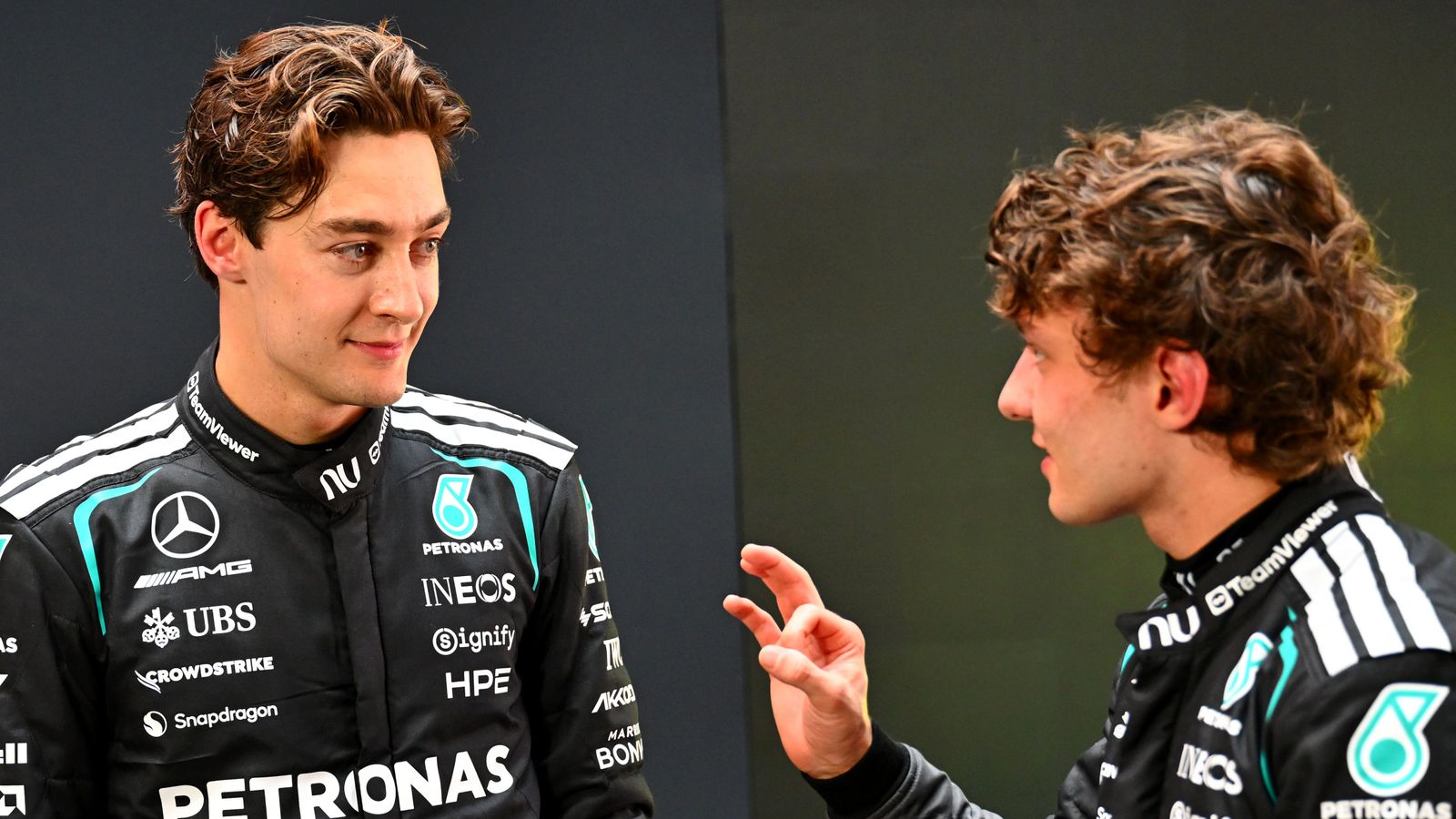
- Widespread Discontent with 2026 Rules: Despite recent tweaks, drivers like Lance Stroll delivered a scathing critique, calling the proposed 2026 cars far from "proper F1." Max Verstappen labeled the changes a mere "tickle," and Lando Norris compared them to a temporary plaster. George Russell was a notable defender, arguing the tweaks successfully addressed specific issues like lift-and-coast in qualifying.
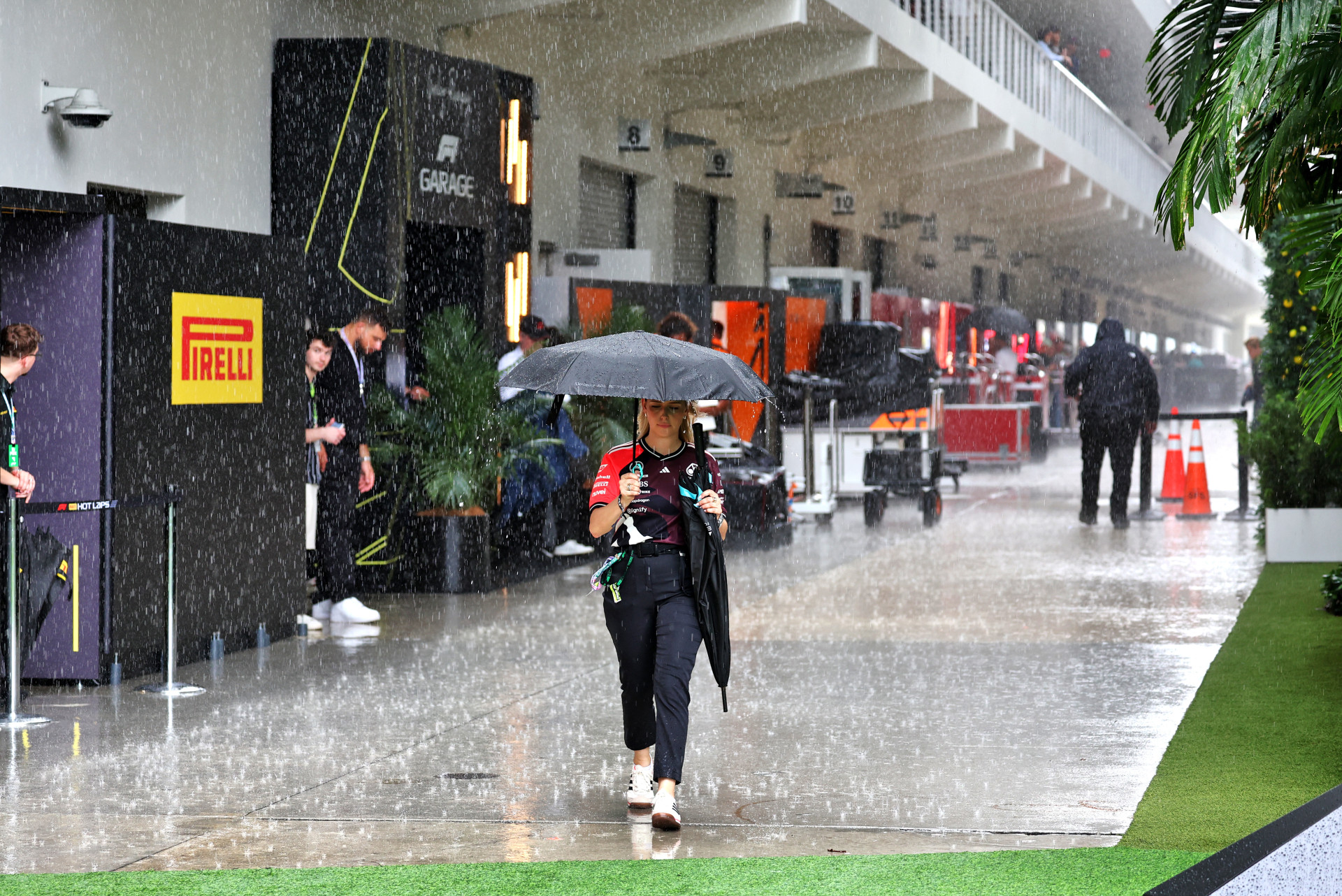
- Major Wet Weather Concerns: The prospect of a wet race is a significant worry. Drivers have minimal experience with the 2026 cars in the rain, and the combination of less downforce, complex power delivery, and tricky intermediate tire warm-up creates an unpredictable scenario. Kimi Antonelli and Pierre Gasly described their limited wet running as "very tricky" and "the most extreme" experience.
- Mercedes' Conservative Upgrade Strategy: Contrary to expectations of major updates, championship leader Kimi Antonelli revealed Mercedes is only bringing "very small things" to Miami, while rivals like Ferrari and McLaren are introducing larger packages. This suggests Mercedes may face a tougher challenge until its own significant upgrade arrives.
- Williams' Long-Term Weight Battle: Williams has made its car lighter in Miami but acknowledges it will take most of the year to fully address its weight deficit. Team principal Alex Albon explained the process is resource-intensive, forcing the team to strategically balance aerodynamic development and weight reduction projects under the cost cap.
- Alonso's Future Hinges on Performance: Fernando Alonso indicated a decision on his F1 future will come around summer and will likely be his own choice, contingent on his continued high performance. He admitted the allure of racing outside F1 is strong but emphasized his current commitment remains with Aston Martin.
- Aston Martin's Vibration Fix: Honda has introduced hardware changes in Miami aimed at solving the high-frequency vibration issues that plagued Aston Martin's early season, affecting both reliability and driver comfort. The team hopes this marks the end of a major operational headache.
- Ongoing Tension from Suzuka Crash: Tension remains between Ollie Bearman and Franco Colapinto following their major crash in Japan. Colapinto expressed unhappiness with Bearman's post-crash comments, noting he had reached out without a response, though both drivers suggested they are ready to move on.
Between the lines:
The first day back exposed a clear divide between the regulatory bodies' perspective and the drivers' lived experience. While the FIA may view the Miami tweaks as a successful problem-solving exercise, the drivers see them as insufficient adjustments to a fundamentally flawed concept. Furthermore, Mercedes' decision to hold back major upgrades, while leading the championship, is a high-stakes gamble that reflects either supreme confidence in its current package or a calculated risk to bring a more substantial update later. The collective anxiety over wet-weather racing points to an untested and potentially volatile aspect of the new regulations that could produce unexpected drama.
Original Article :https://www.the-race.com/formula-1/everything-we-learned-from-f1s-first-day-back...