




Key Takeaways from F1's Japanese Grand Prix
The Japanese Grand Prix concluded the opening phase of the 2026 Formula 1 season, revealing significant challenges for Red Bull and its star driver Max Verstappen, while also exposing a critical safety concern with the new regulations. The race weekend highlighted a widening performance gap and growing driver frustration that could reshape the competitive landscape.
Why it matters:
This race served as a stark reality check for the sport's new era. It confirmed that Red Bull's struggles are deep-rooted and not solely engine-related, putting the future of its superstar driver in doubt. Furthermore, a dramatic crash underscored genuine safety fears about the 2026 cars' extreme closing speeds, forcing the FIA and teams to urgently reconsider aspects of the new rules during the upcoming five-week break.
The details:
- Red Bull's Deepening Crisis: The team was defeated by Alpine, with both Verstappen and rookie Isack Hadjar expressing fundamental concerns. Hadjar labeled the RB22 chassis "terrible" and "dangerous," while Verstappen noted an unpredictable car balance and questioned the efficacy of a new upgrade. The team lacks a clear direction for improvement.
- Verstappen's Exit Threat Intensifies: The three-time champion's post-race joviality masked a serious contemplation of retirement. He reiterated that the ongoing disappointment with the 2026 rules and Red Bull's performance makes him question if continuing is "worth it," marking his most serious threat to quit the sport to date.
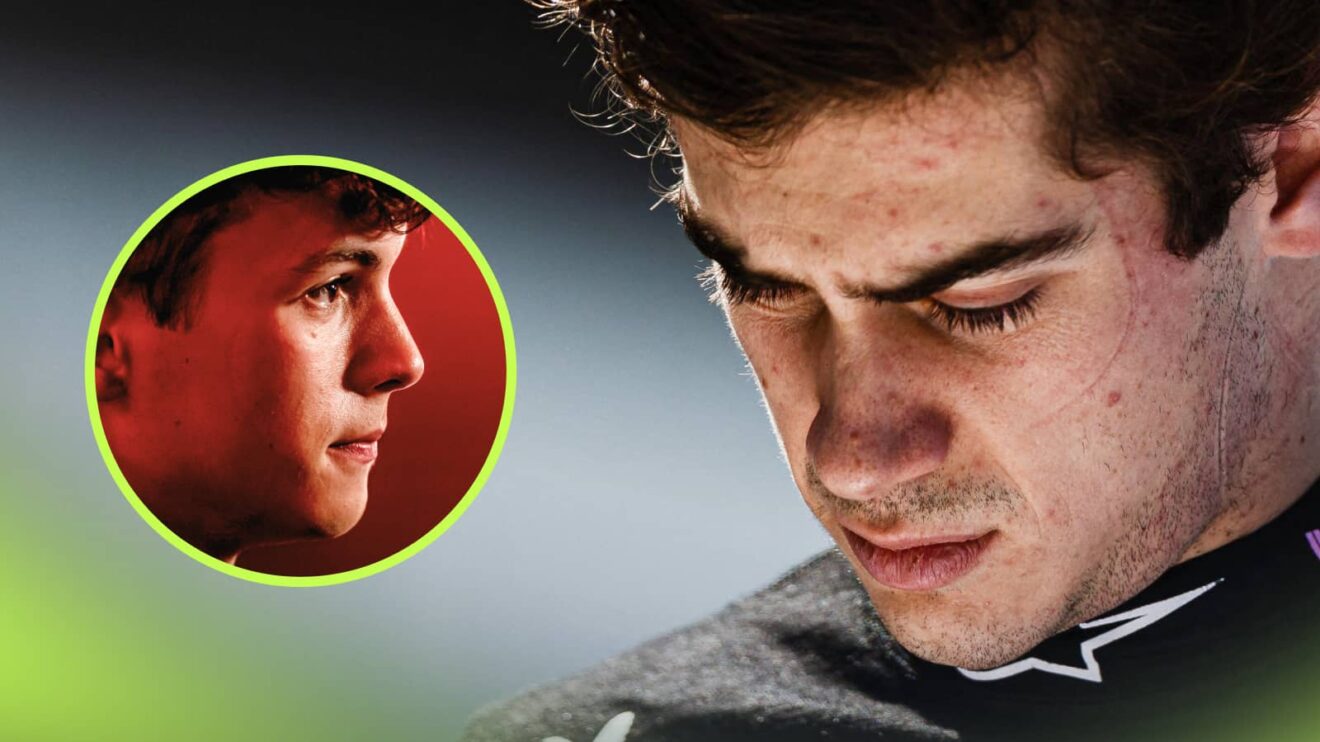
- A Critical Safety Wake-Up Call: The frightening high-speed collision between Ollie Bearman and Franco Colapinto, caused by massive closing speeds, validated pre-season warnings from drivers and teams. McLaren's Andrea Stella and Haas's Ayao Komatsu agreed the issue must jump to the top of the agenda for the FIA, F1, and teams during the break, though a simple fix is not apparent.
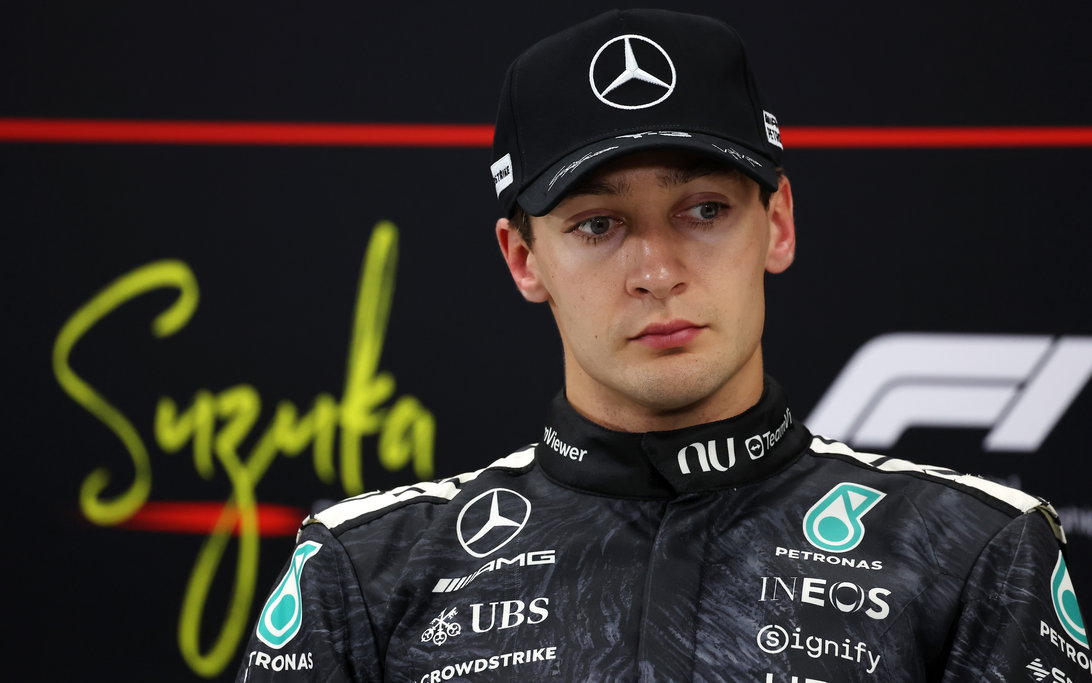
- Mercedes' Mixed Fortunes: While possessing a fast car, both George Russell and Kimi Antonelli suffered poor starts for different reasons—Antonelli from driver error and Russell from a technical brake issue. Russell also expressed frustration after losing the championship lead due to unlucky Safety Car timing, though he remains confident in his title chances.
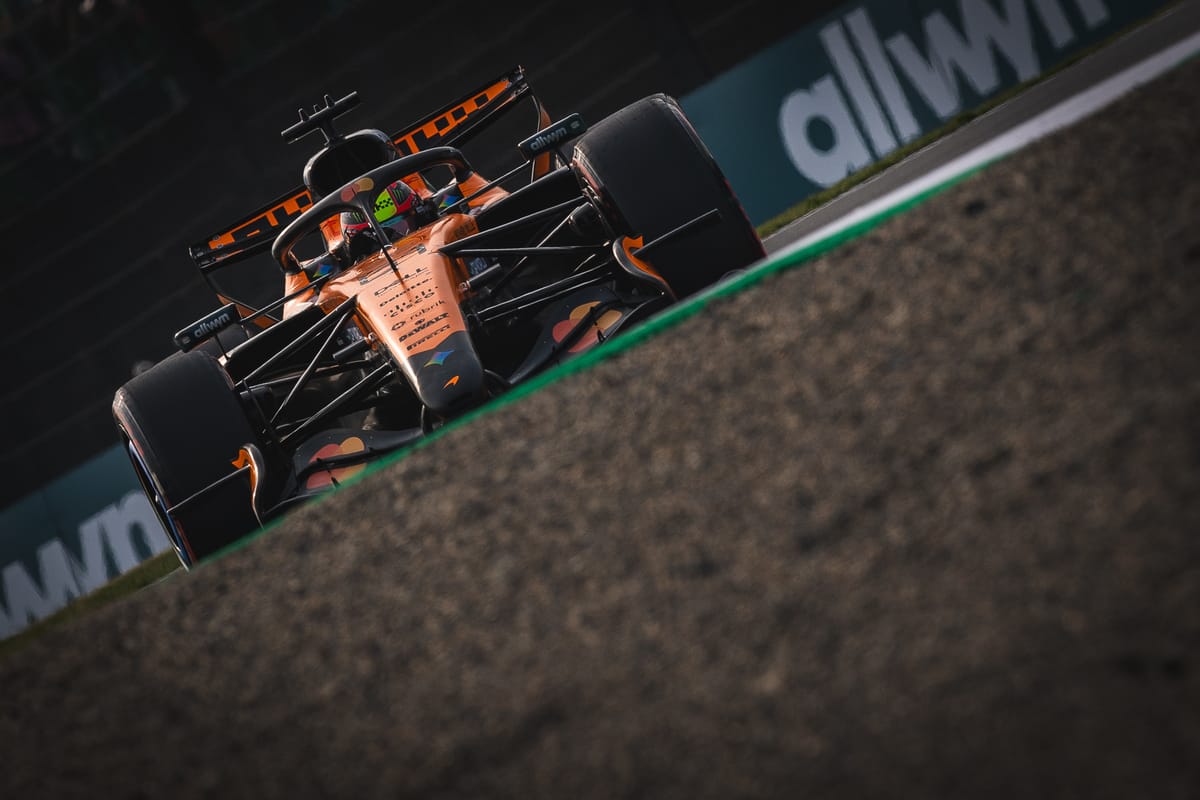
- McLaren's Cautious Progress: Lando Norris's podium was a positive step, attributed to improved power unit exploitation and a circuit (Suzuka) that masked the car's front graining weakness. Team principal Andrea Stella acknowledged Ferrari still holds a chassis advantage, and the upcoming Miami upgrade is crucial for consistent competition.
- Aston Martin's Small Relief: The team finally saw a car finish a race, with Honda's reliability countermeasures working to prevent another engine failure. However, the AMR26's underlying flaws—being heavy and weak in high-speed corners—were still exposed, with Fernando Alonso finishing a distant 18th.
- Audi's Fundamental Flaw: The team confirmed its terrible race starts are a fundamental design issue linked to a very large turbocharger, making it a long-term problem rather than a short-term fix. Driver Gabriel Bortoleto admitted the team will continue to struggle off the line.
- The Evolution of "Yo-Yo" Racing: The frantic position-swapping seen in Australia and China was reduced at Suzuka. Drivers have learned to be more tactical with energy deployment, understanding that a poorly executed pass can leave them immediately vulnerable on the next straight, leading to more strategic battles.
What's next:
The five-week break until Miami provides a crucial reset. The FIA, F1, and teams will urgently discuss potential tweaks to the 2026 regulations, with safety concerns over closing speeds being paramount. For teams, it's a period for major upgrades and introspection—Red Bull must find a chassis direction, McLaren will bring its significant update, and Aston Martin and Audi have long lists of issues to address. Most significantly, the sport's stakeholders will be keenly aware that they must improve the product to convince its biggest star, Max Verstappen, that his future remains in Formula 1.
Original Article :https://www.the-race.com/formula-1/nine-things-we-learned-from-f1-japanese-gp/
