





Key Takeaways from F1's Chinese Grand Prix Friday
The first day of the Chinese Grand Prix weekend revealed critical insights into the ongoing adaptation to F1's 2026 technical regulations, highlighting persistent start procedure dangers, a divide over potential rule changes, and a surprising shift in tone from a key critic.
Why it matters:
The 2026 season is a massive reset for the sport, and the stark contrast between the energy-starved Australian GP and the energy-rich Shanghai circuit is providing the first real-world stress test of the new power unit formula. How teams and drivers adapt, and how quickly the FIA reacts to emerging safety concerns, will set the competitive and regulatory tone for the entire era.
The Details:
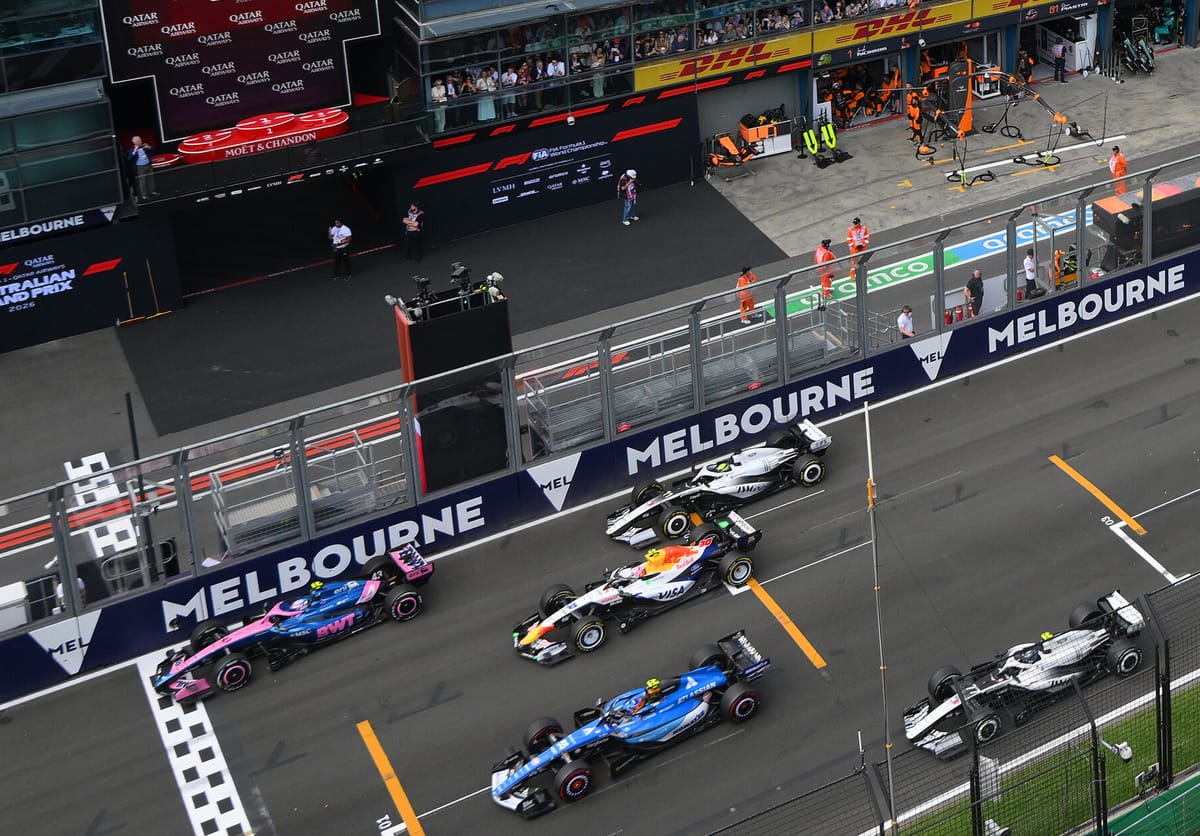
- Start Procedure Dangers: Multiple drivers, including Max Verstappen and Sergio Perez, issued stark warnings after the near-miss in Melbourne, calling the current launch variability "dangerous" and predicting a "massive shunt" is inevitable without changes. The core issue is inconsistent battery charge levels at the race start due to complex harvesting rules on the formation lap.
- A Rule Change Divide: A clear split has emerged on whether to adjust the rules. Mercedes and Red Bull are pushing for modifications to the formation lap energy limit, while Ferrari and Haas argue the rules have been set for years and teams should simply optimize their designs, warning against "knee-jerk" reactions after just one race.
- Russell's Early Mastery: George Russell's Melbourne pole and win drew praise from rivals, who highlighted his superior skill in "driving the power unit"—optimizing energy deployment and harvesting. The gap to teammate Kimi Antonelli underscored how driver technique is now a huge performance differentiator with the new powertrains.
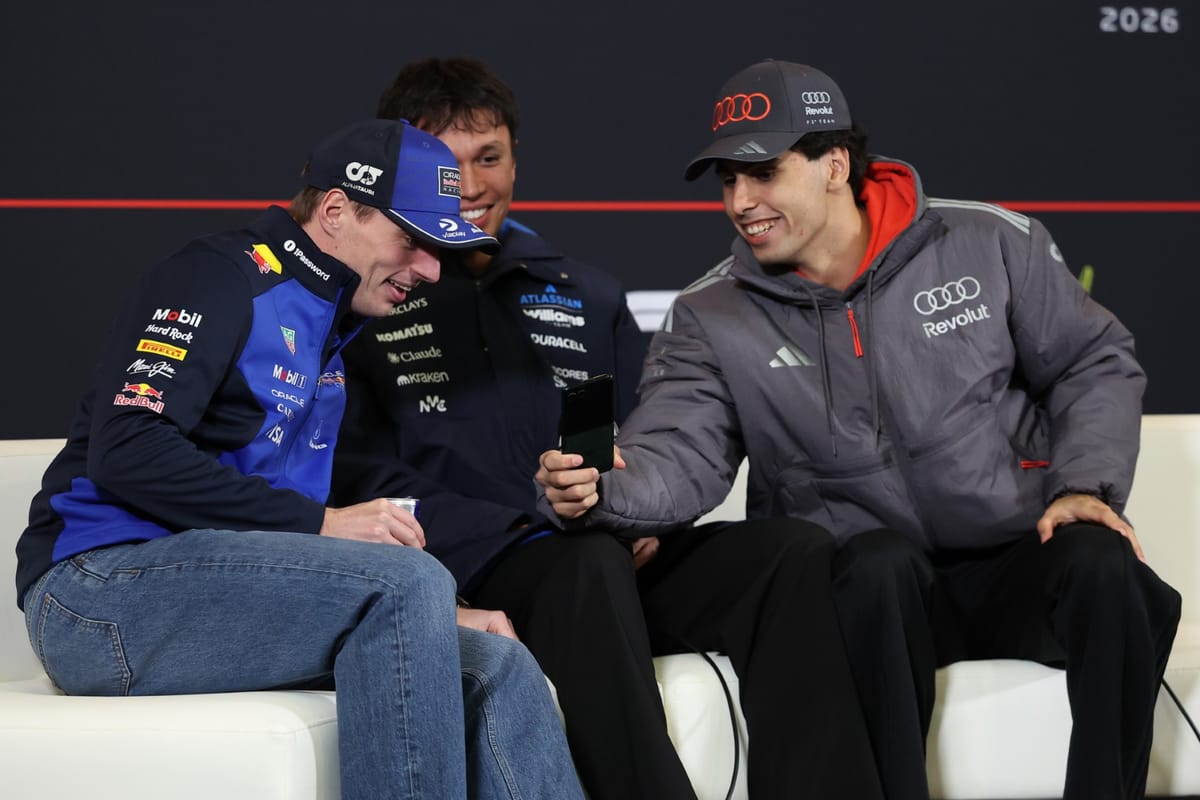
- Verstappen's Cautious Optimism: After a grumpy weekend in Australia, Max Verstappen struck a more hopeful note in China, stating he does not want to leave F1 and is engaged in discussions with stakeholders about improvements to the racing product, suggesting he believes the rules can be shaped into something better.
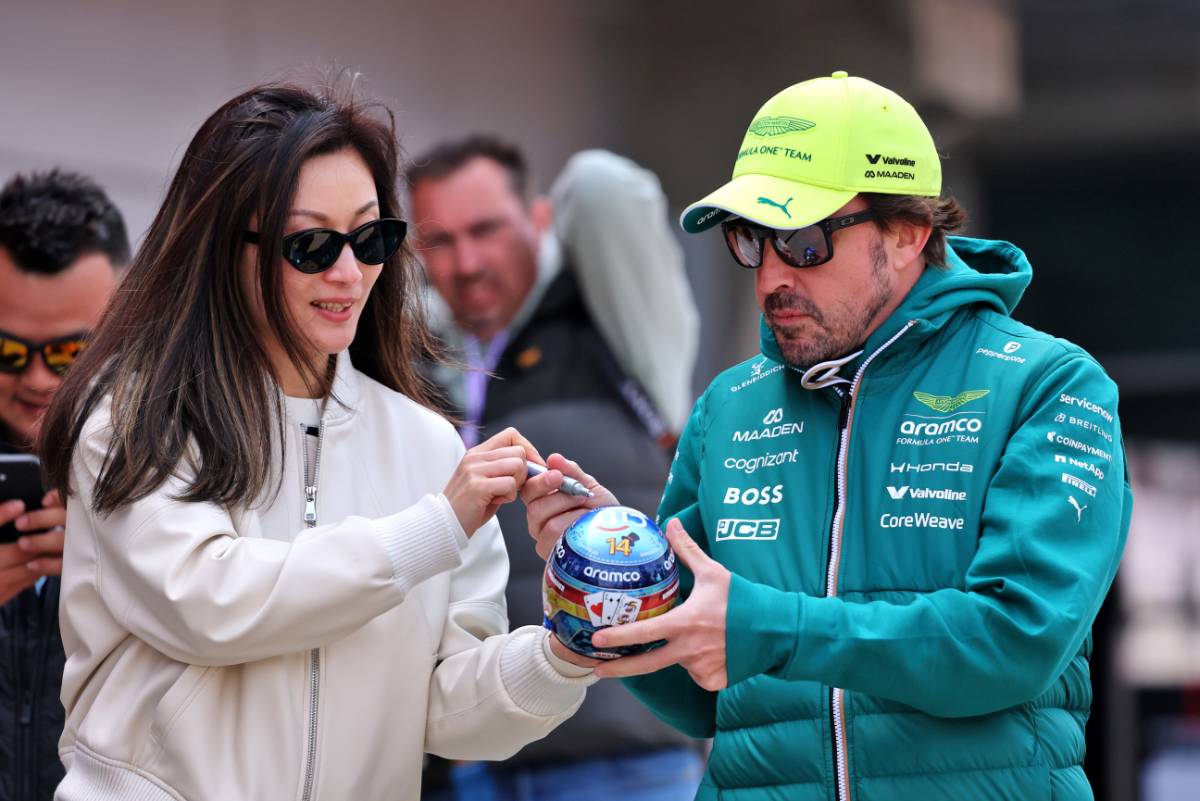
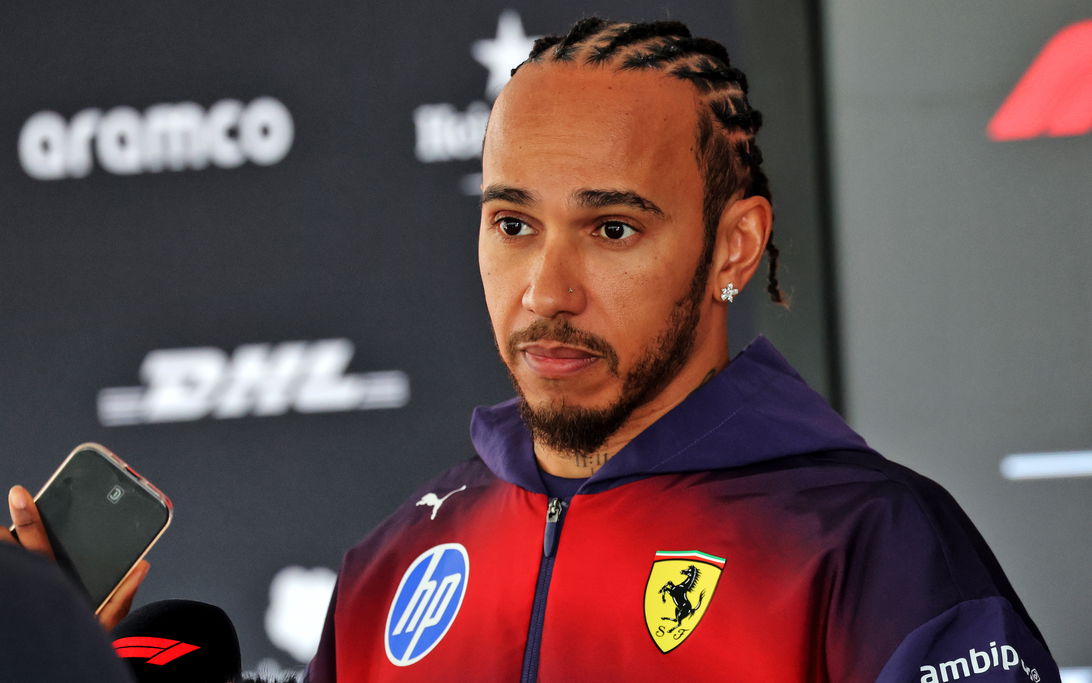
- Technical Spotlight: Ferrari fast-tracked its radical "upside-down" rear wing to Shanghai for a Friday practice evaluation, marking its first grand prix weekend appearance. Meanwhile, Aston Martin faces a "very fragile" situation with Honda, reportedly having no spare battery packs in China after reliability issues in Melbourne.
What's Next:
The sprint format in China will compress learning and force immediate setup decisions, providing another data point on the 2026 cars. All eyes will be on the start procedure to see if the near-disaster of Melbourne repeats, which will intensify pressure on the FIA to act. Furthermore, Ferrari's experimental rear wing and whether it progresses beyond practice will offer an early signal of the innovation race taking shape under the new regulations.
Original Article :https://www.the-race.com/formula-1/things-we-learned-chinese-gp-f1-thursday-2026...