






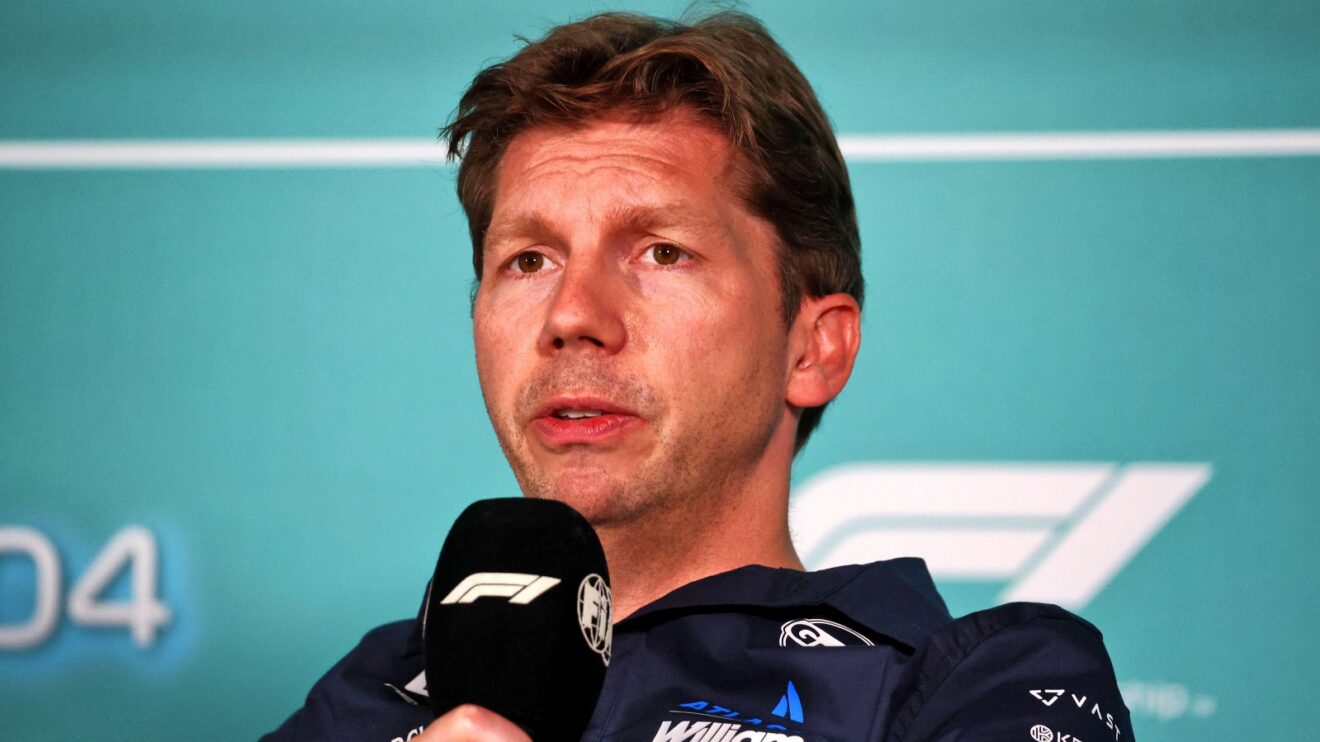
James Vowles acknowledges Williams' 'large gap' to rivals amid 2026 rebuild
Williams Team Principal James Vowles admits the team faces a "large" performance deficit despite making progress on its long-term 2026 project, citing a "messy winter" of operational challenges that led to an overweight and uncompetitive 2024 car. He emphasized that while recent upgrades are a step in the right direction, closing the gap will require sustained effort over many races.
Why it matters:
Williams' struggle to execute its 2024 car build highlights the immense difficulty of a midfield team trying to overhaul its entire operational structure while remaining competitive. Vowles' candid assessment underscores that the team's ambitious cultural and technical transformation, aimed at returning to the front by 2026, is encountering painful but predictable growing pains. Their ability to navigate this period will be critical for attracting talent and securing future results.
The details:
- Root of the Problems: Vowles attributed the FW48's issues to a "messy winter" where new Enterprise Resource Planning (ERP) and Product Lifecycle Management (PLM) systems were stress-tested for the first time on a completely new car. Hundreds of small inefficiencies snowballed, delaying the build process.
- Car Complexity: The 2024 car was significantly more complex—about 1.5 to 2 times more by various metrics—than its predecessor, which exacerbated the production delays.
- Weight Consequence: As time ran out, the team had to add weight to parts to ensure they passed crash tests and could be manufactured, resulting in an overweight car that is now a key performance handicap.
- Strategic Weight Loss: Vowles explained that removing weight is a deliberate process tied to aerodynamic updates. The team is choosing not to simply make lighter versions of existing parts, but to integrate weight reduction into performance upgrades to be cost-cap efficient.
- Key Hirings: To bolster the recovery, Williams has recruited significant talent from Mercedes, including engineer Dan Milner and aerodynamicist Claire Simpson, who started on the day of Vowles' comments. Vowles praised the team's "no resistance to change" culture.
What's next:
Vowles outlined a clear roadmap for the remainder of 2024, focusing on methodical recovery rather than overnight fixes.
- The immediate goal is to continue a planned upgrade program through to the end of the August summer break, aiming to restore the car to being "the top of the midfield."
- This development path is also intended to establish a stable platform for the 2025 car, which is crucial for building momentum towards the 2026 regulation changes.
- The influx of new personnel from top teams like Mercedes is expected to accelerate Williams' operational maturity and technical development, providing a foundation for the ambitious 2026 project.
Original Article :https://www.planetf1.com/news/james-vowles-williams-2026-struggles-messy-winter