




How realistic is the prospect of Verstappen quitting F1?
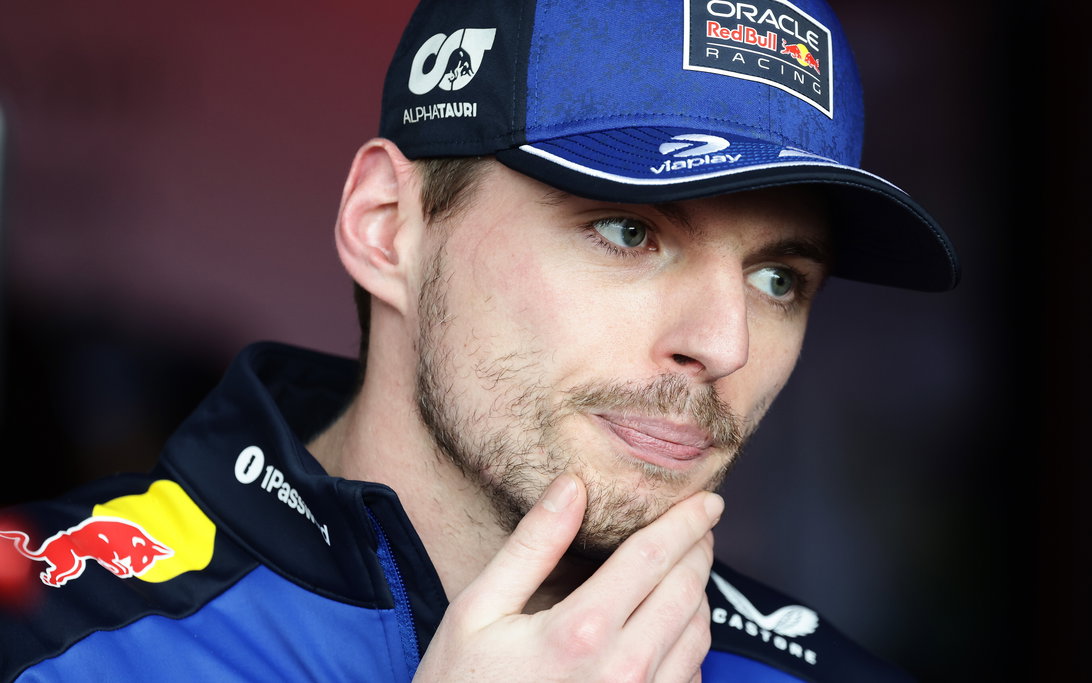
Max Verstappen has escalated his criticism of Formula 1's 2026 technical regulations, openly questioning his future in the sport after a frustrating Japanese Grand Prix. The four-time champion's threats highlight a growing divide over the new era of racing focused on energy management, putting pressure on the FIA to consider changes.
Why it matters:
Verstappen is F1's biggest star and reigning champion. His public contemplation of walking away—even if partly tactical—sends a seismic signal to the sport's leadership about driver dissatisfaction with the current product. It forces a conversation about the fundamental balance between technical challenge, spectacle, and pure racing skill that defines F1's future direction.
The details:
- The Core Complaint: Verstappen's frustration centers on the 2026 cars' heavy reliance on electrical energy management, which he feels overshadows traditional driving skill. He described racing as a battery management exercise, citing an attempt to pass Pierre Gasly in Japan that failed because he depleted his battery.
- The Specific Issues: Drivers are concerned with two main elements:
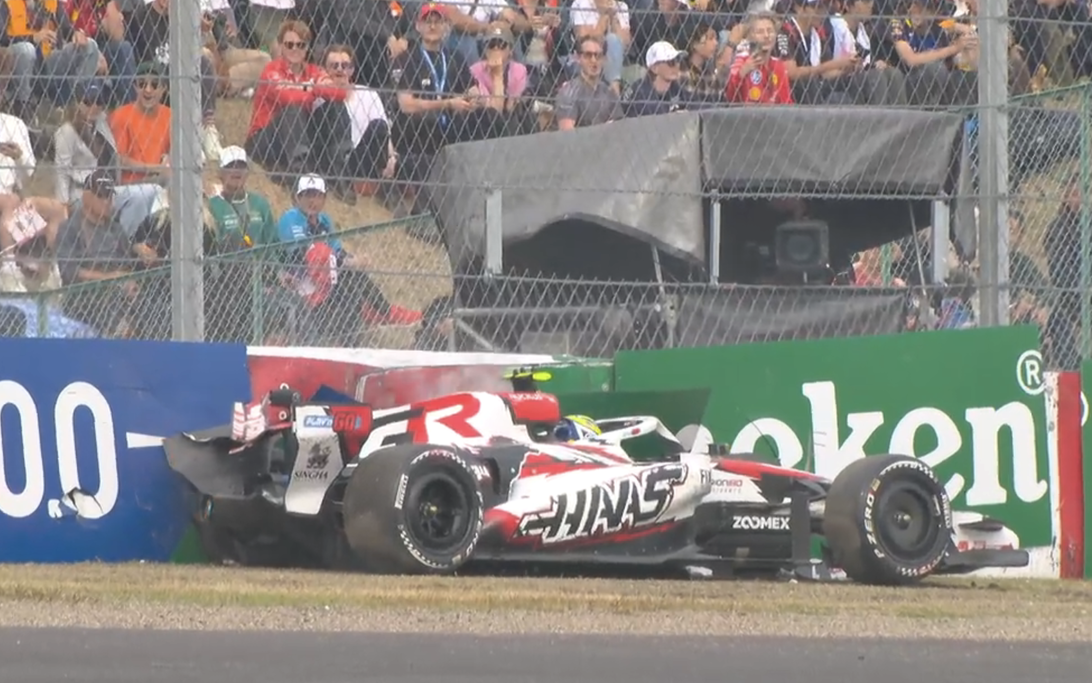
- 'Super Clipping': The car automatically slows to recharge the battery, creating unpredictable speed differentials on track—a factor in Oliver Bearman's crash in Japan.
- Qualifying Compromise: Pushing for a single lap is hampered by the need to manage energy deployment through corners, with Charles Leclerc noting that pushing harder can actually lose time.
- A Divided Grid: While Verstappen is the most vocal, not all drivers agree. Lewis Hamilton, George Russell, and Leclerc have praised the increased wheel-to-wheel racing the cars produce.
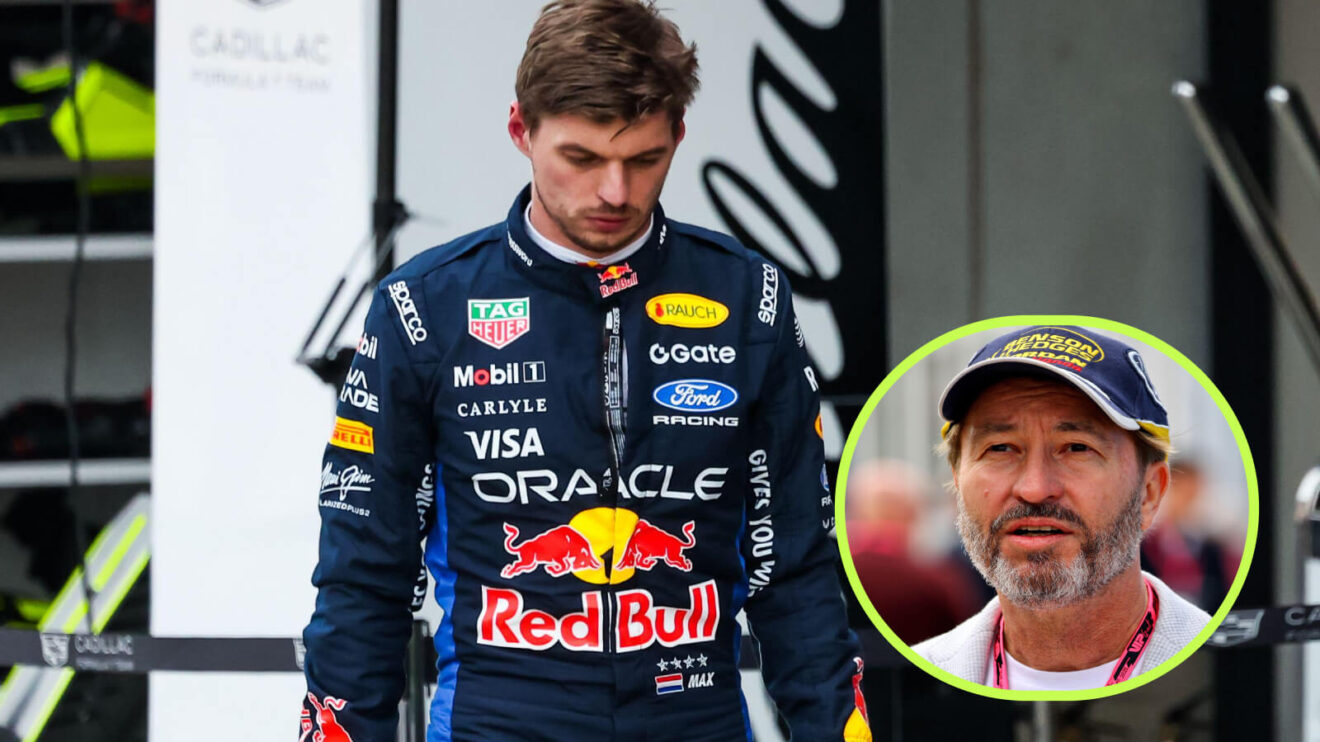
- The Red Bull Factor: After three races, Verstappen has yet to finish in the top five, with Red Bull struggling for pace. Mercedes team principal Toto Wolff and Red Bull's Laurent Mekies have suggested the team's performance is coloring his view, though Verstappen denies this, stating he would be unhappy with the racing even in a winning car.
What's next:
The FIA has already adjusted energy recharge limits once and will hold meetings with teams in April to discuss the regulations. However, significant changes face hurdles.
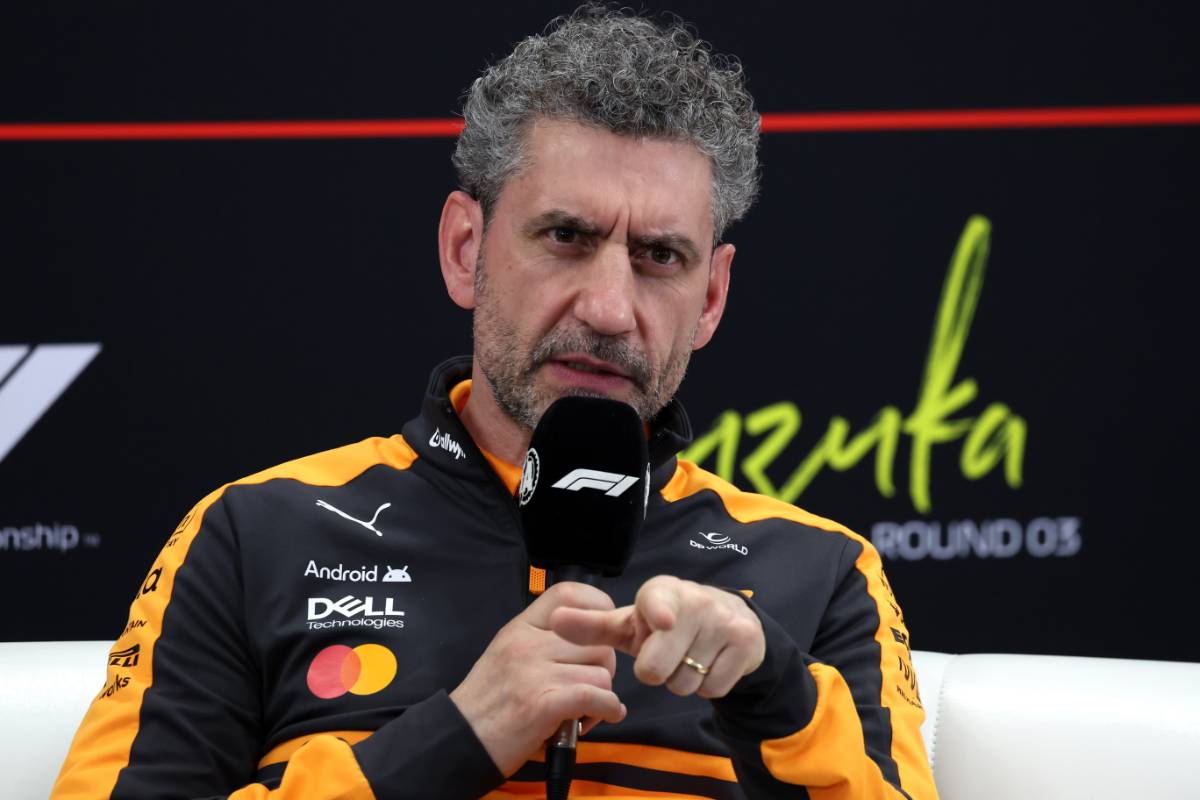
- Technical Complexity: As McLaren's Andrea Stella noted, a "simple solution does not exist," and major fixes may be for 2027, not the upcoming Miami GP.
- Manufacturer Interests: Audi entered and Honda stayed specifically for the 2026 shift towards electrification. Rolling back those elements would meet strong resistance.
- Verstappen's Leverage: His contract runs to 2028 but has performance clauses. His comments are a powerful lobbying tool. The coming weeks will reveal if the FIA can find adjustments that satisfy drivers while maintaining the regulatory framework that attracted key manufacturers.
Original Article :https://www.skysports.com/f1/news/12433/13526056/max-verstappen-how-realistic-is...