


How F1 Drivers Became Hostages to AI in 2026
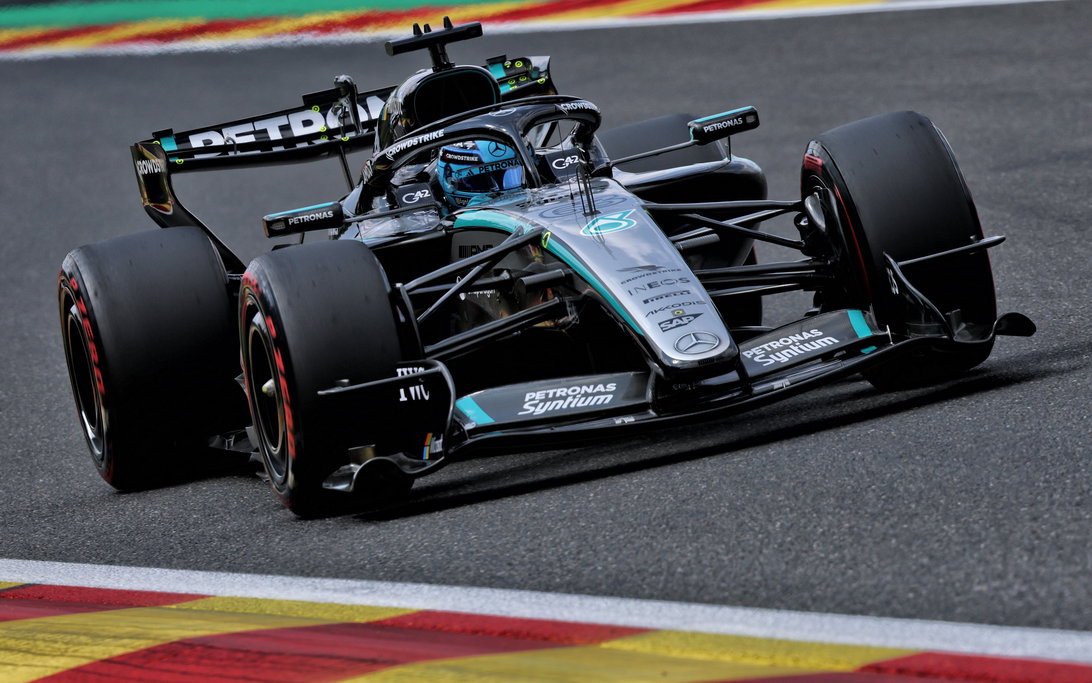
Formula 1's 2026 power units have handed critical control to artificial intelligence, leaving drivers feeling like hostages to algorithms that dictate energy deployment. Energy-starved cars at Spa laid bare how unexplained straightline deficits and software glitches are forcing racers to question whether lap times reflect their skill or simply a computer quirk.
Why it matters:
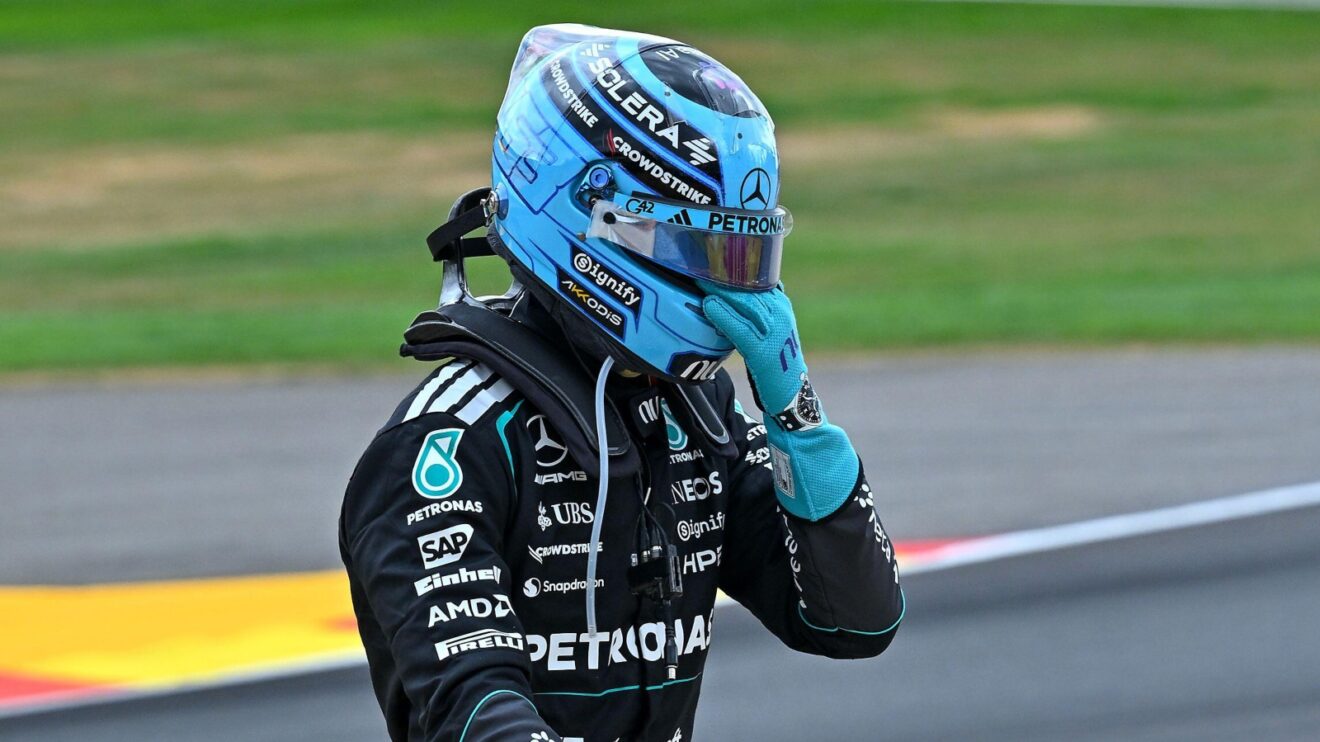
This crisis cuts to the heart of F1's identity as a drivers' championship. Sporting regulations insist racers compete "alone and unaided," yet self-learning computers now forward-plan energy strategy around the lap, adapting in real time to inputs skewed by wind, grip, and human variation. When George Russell's Belgian GP weekend was ruined by a deployment glitch, or Oscar Piastri suffered a qualifying top-speed deficit to his teammate, neither driver could do anything to fix it.
The details:
- Algorithmic lottery: Machine-learning models shift battery deployment based on predictions that cannot fully account for live track conditions. Teams often spot issues only after sessions end, leaving drivers guessing if they were slow or just unlucky.
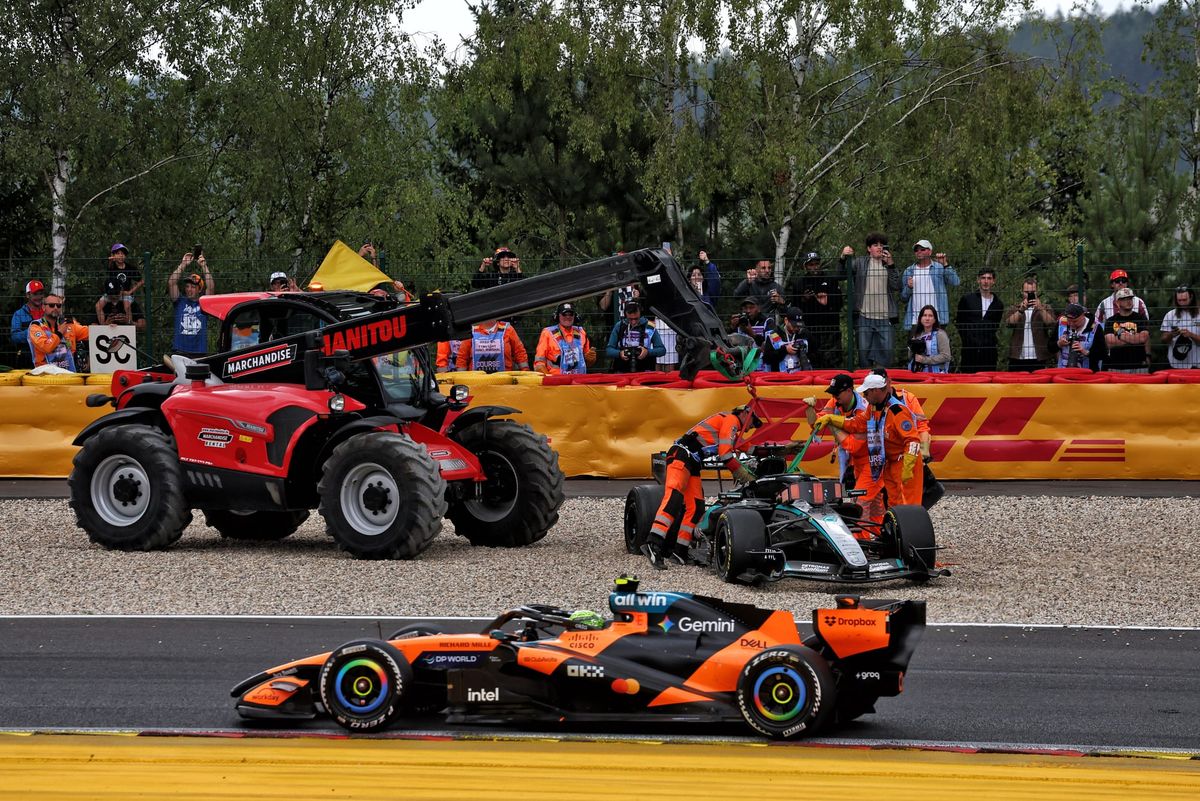
- Spa fallout: Mercedes traced Russell's Bus Stop deficit to a PU deployment problem costing two tenths. A separate glitch out of La Source contributed to his race-ending collision with Lewis Hamilton. Toto Wolff admitted such issues are far harder to detect at less demanding circuits.
- Driver anger: Lando Norris says random computer behavior has cost him all season, insisting it is "not down to the driver." Oscar Piastri called the system "nuts," warning qualifying is being decided by computers "behaving or misbehaving."
- Short-term fix: Some teams now disable self-learning algorithms entirely for qualifying to avoid surprises, trading efficiency for predictability.
The big picture:
The 2027-2028 rule tweaks will shift the power split toward internal combustion to ease energy concerns, but the machine-learning core is not going anywhere. Teams are still learning these units every weekend, yet the drivers' demand is clear: they want to drive unaided. Until the algorithms are tamed, separating human skill from software luck will remain frustratingly difficult.
Original Article :https://www.the-race.com/formula-1/how-f1-drivers-have-become-hostages-to-ai-in-...