








Honda Admits New Turbocharger Failed to Solve Aston Martin's Singapore Lag
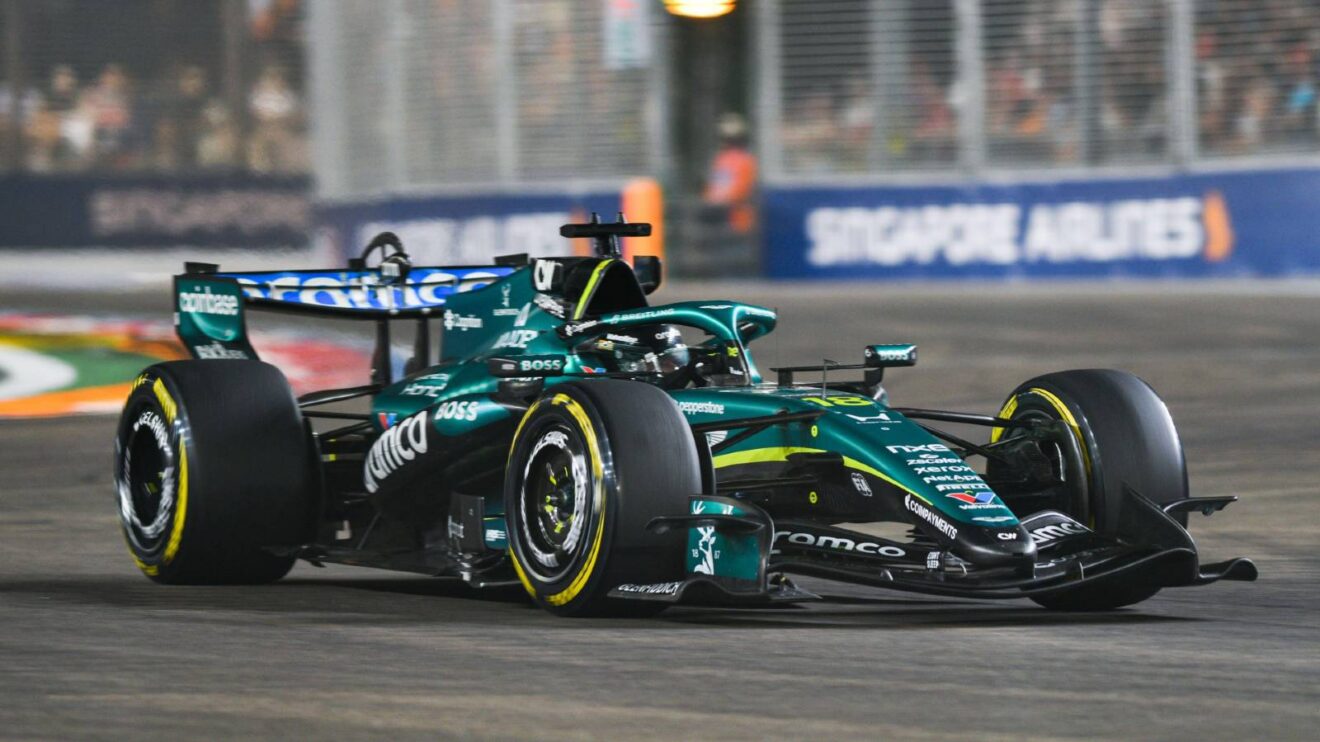
Honda has conceded that the new turbocharger deployed in Singapore failed to resolve the driveability issues plaguing Aston Martin. Despite the technical update, the team suffered from unstable acceleration and significant turbo lag, leading to a disappointing weekend where both drivers were eliminated in Q1.
Why it matters:
As the 2026 season progresses under new power unit regulations, the synergy between energy recovery and internal combustion is more critical than ever. For Aston Martin, whose AMR26 has shown flashes of brilliance in Malaysia, these driveability gaps highlight a vulnerability in the power unit's integration, potentially limiting their competitiveness on high-torque, stop-and-go circuits.
The details:
- Technical Root Cause: The "energy-rich" nature of the Singapore circuit meant the MGU-K did not harvest enough energy to maintain the engine at a high operating point, leaving the turbo lag exposed.
- Driver Impact: Fernando Alonso and Lance Stroll reported an unstable acceleration feeling, which caused significant discomfort and hindered their ability to push the car in qualifying.
- Post-Race Audit: All power units were shipped back to Sakura, Japan, for a thorough inspection. While no major mechanical failures were found, Honda identified a need for better control mapping.
- Deployment Limits: Honda confirmed that MGU-K deployment alone is insufficient to fully compensate for turbo lag when the engine load is too low to maintain turbo pressure.
The big picture:
The stark contrast between a strong points finish in Sepang and the collapse in Singapore reveals the AMR26's sensitivity to specific track profiles. While Mike Krack suggests that the success in Malaysia may have created unrealistic expectations, the data confirms that the power unit remains the primary weakness of the package in low-speed, high-torque scenarios.
What's next:
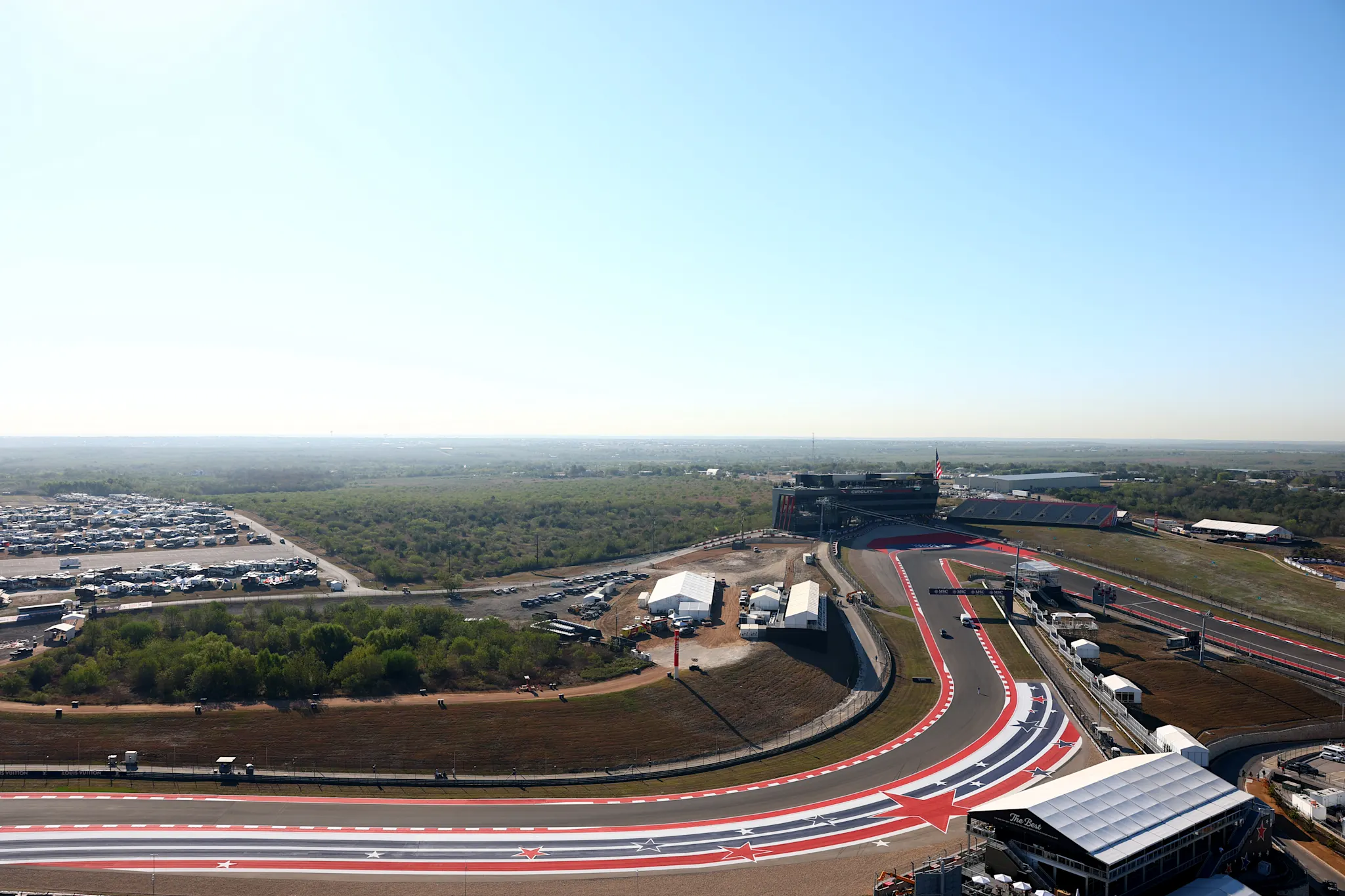
Honda is currently implementing countermeasures based on the Singapore data to improve turbo lag control. The team is now focused on validating these software updates at the Circuit of the Americas to ensure that driver demand for smooth acceleration is met before the final stretch of the 2026 season.
Original Article :https://www.planetf1.com/news/honda-aston-martin-turbo-lag-singapore-gp