



Taylor Swift's 2016 COTA Show: The Blueprint for Modern F1 Weekends
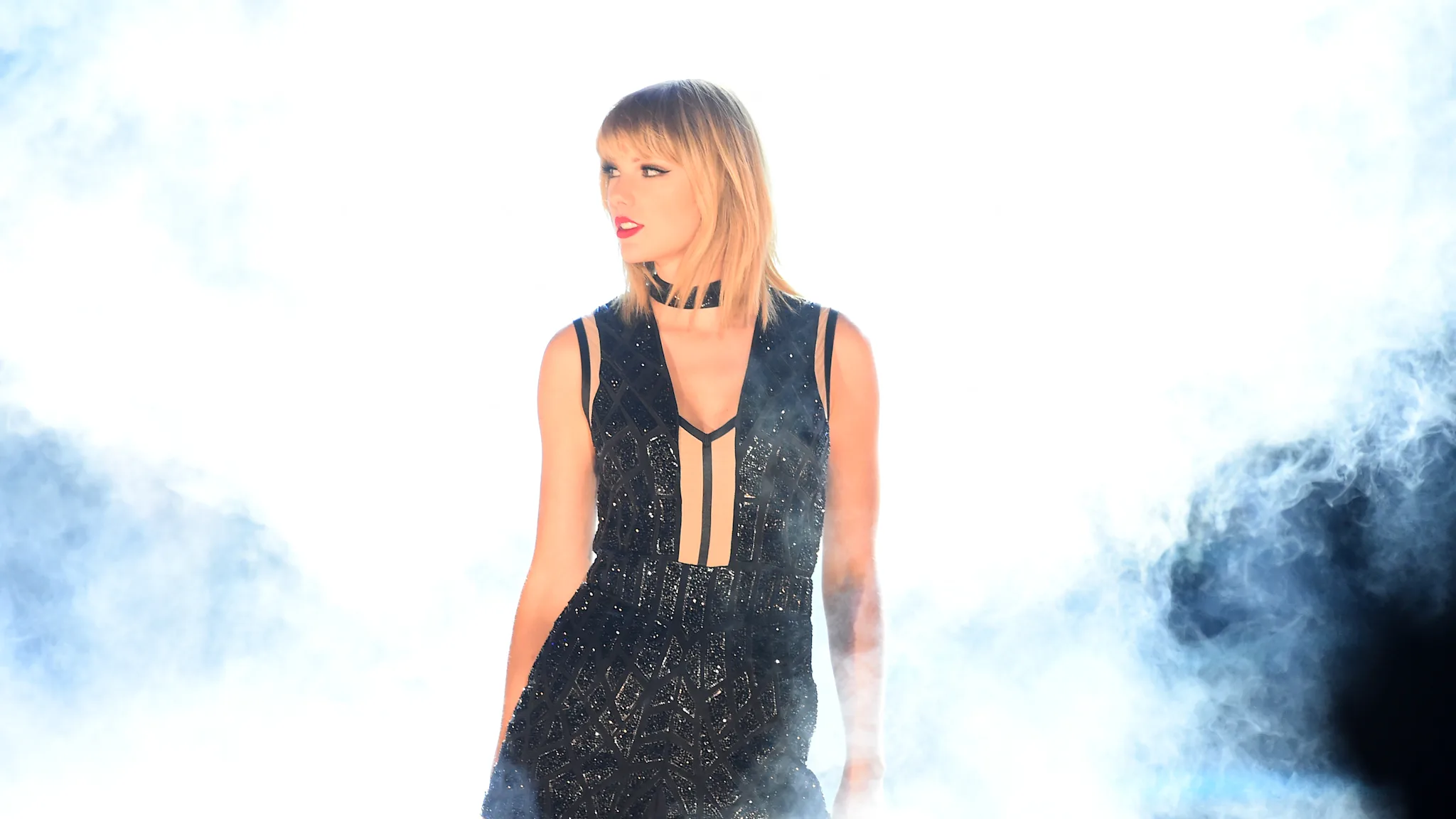
It has been ten years since Taylor Swift performed at the United States Grand Prix, a move that fundamentally altered how the Circuit of the Americas (COTA) approached event management and fan engagement. By blending top-tier pop music with elite motorsport, the event drew massive crowds and expanded the sport's demographic reach long before the current era of hyper-growth.
Why it matters:
Before the widespread influence of Drive to Survive, F1 circuits were primarily focused on the technical and sporting aspects of the race. COTA's decision to integrate a global superstar like Swift shifted the paradigm toward a 'festival model,' proving that high-profile entertainment could attract a younger, more diverse audience—specifically women—who might not have otherwise been interested in Formula 1.
The details:
- Crowd Impact: Swift's 15-song set drew approximately 80,000 people, providing a significant commercial boost to the organizers.
- Strategic Timing: The 2016 appearance was Swift's only public show that year, making the COTA invitation an exclusive event that guaranteed high ticket demand.
- Market Expansion: The 'concert model' allowed COTA to tap into a demographic that is now the norm in the Liberty Media era, bridging the gap between pop culture and the paddock.
The big picture:
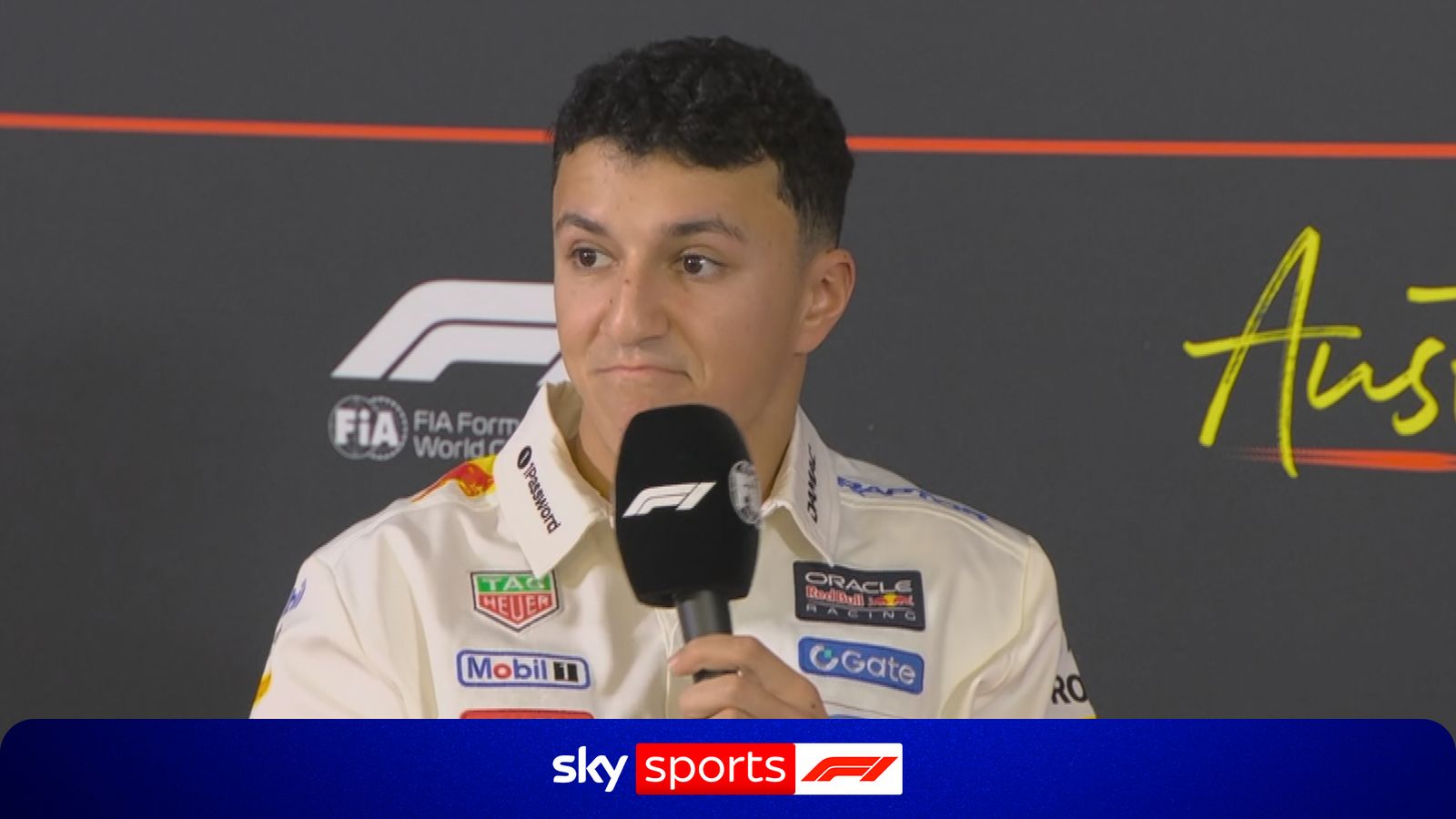
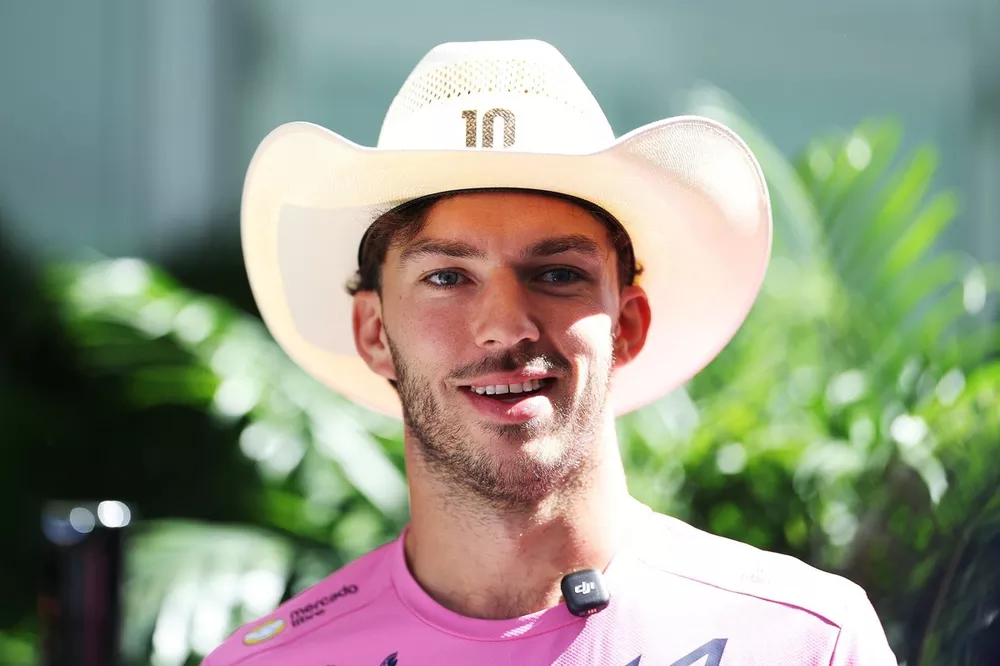
This cultural integration is evident not just in the stands, but within the paddock itself. The influence of the 'Swiftie' phenomenon has permeated the drivers' lounge, with athletes like Charles Leclerc, Pierre Gasly, and George Russell openly attending her tours and incorporating her music into their pre-race routines. Even rising stars like Ollie Bearman have highlighted her tracks in their personal playlists, signaling a shift where drivers are as much global celebrities as the performers they admire.
What's next:
What began as a bold experiment at COTA has now become the industry standard. Most modern Grand Prix weekends now feature curated music lineups and fan zones, treating the race as the centerpiece of a broader lifestyle event. As F1 continues to evolve in 2026, the legacy of that 2016 crossover serves as the primary case study for how the sport can maintain its growth by staying culturally relevant.
Original Article :https://www.formula1.com/en/latest/article/one-decade-later-when-taylor-swift-pe...