




Hamilton to skip Ferrari simulator before Canada GP over correlation issues
Lewis Hamilton has announced he will stop using Ferrari's driver-in-loop simulator ahead of the Canadian Grand Prix, citing a significant lack of correlation between the virtual model and the real-world SF-26 car. The seven-time champion also pinpointed a straight-line speed deficit of three to four tenths as a critical weakness the team must address.
Why it matters:
Hamilton's public criticism of a core team tool like the simulator highlights a potentially deep-seated issue within Ferrari's development and preparation process. For a top team, reliable simulation is essential for optimizing setups, especially on Sprint weekends with limited track time. If the driver cannot trust the virtual model, it compromises the entire pre-event preparation phase and forces adjustments on the fly, costing precious performance.
The Details:
- Hamilton's frustration stems from a difficult Miami GP weekend, where he finished the Sprint far behind teammate Charles Leclerc and suffered race damage from a first-lap collision.
- He stated that setups developed in the simulator simply "don't work" when applied to the actual car at the track, leaving him on the back foot from the first practice session.
- This discrepancy is particularly punishing on Sprint formats. With only one practice hour, drivers are hesitant to make radical setup changes, often sticking with a suboptimal base setup that hampers their entire weekend.
- Hamilton contrasted this with his strong performance at the Chinese Grand Prix, a weekend for which he did not use the simulator, suggesting a direct link between his preparation method and on-track results.
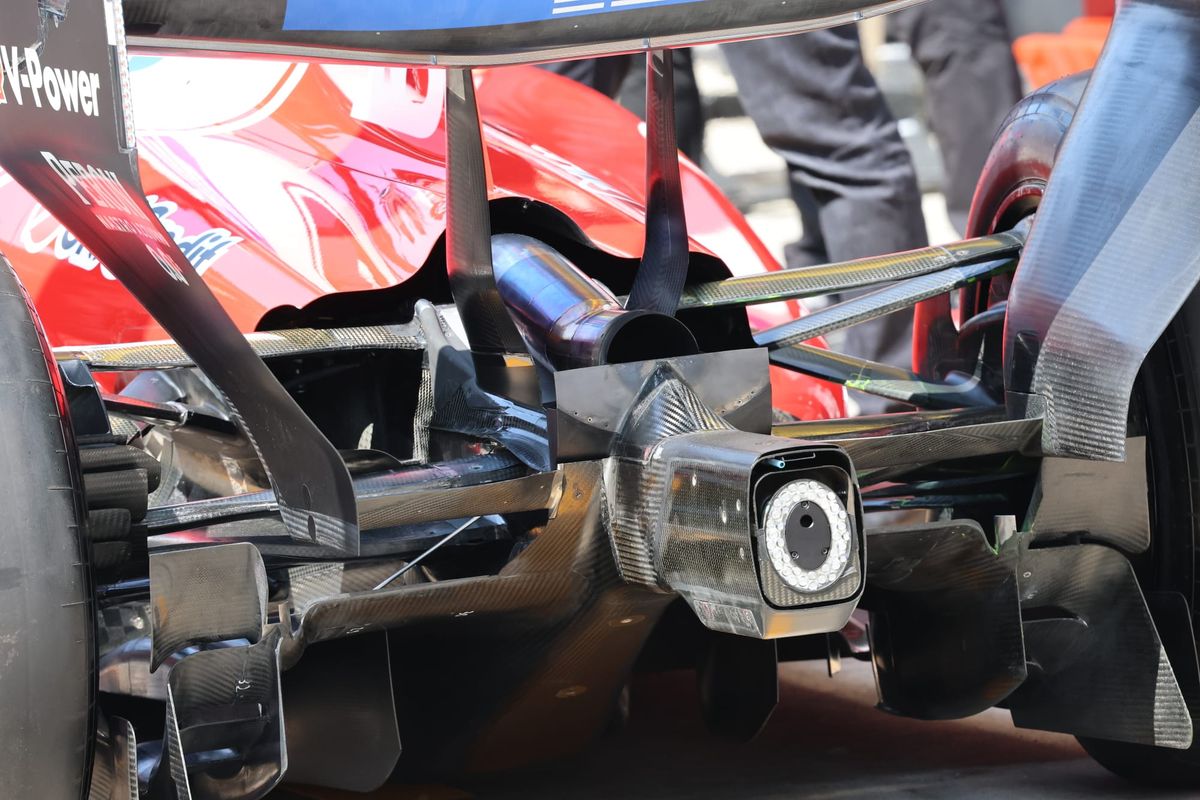
- Beyond the simulator issue, Hamilton identified a chronic drag problem, asserting the car is losing "three to four tenths just on straight line speed," a deficit that will hurt at power-sensitive circuits like the Circuit Gilles Villeneuve in Montreal.
What's next:
Hamilton is adopting a "different approach" by abandoning simulator work before Canada. Instead, he will rely on factory meetings and his own experience at a circuit where he is a record-tying seven-time winner.
- The immediate focus for Ferrari will be twofold: understanding the root cause of the simulator correlation gap and exploring quick fixes to reduce the car's drag before the next race.
- Hamilton remains generally positive about the SF-26's characteristics and the new regulations, but these operational and performance hurdles need swift resolution for Ferrari to consistently challenge at the front.
Original Article :https://www.planetf1.com/news/lewis-hamilton-ferrari-simulator-issue-canadian-gp...