



Hadjar: F1 overtakes now possible with similar pace under 2026 rules
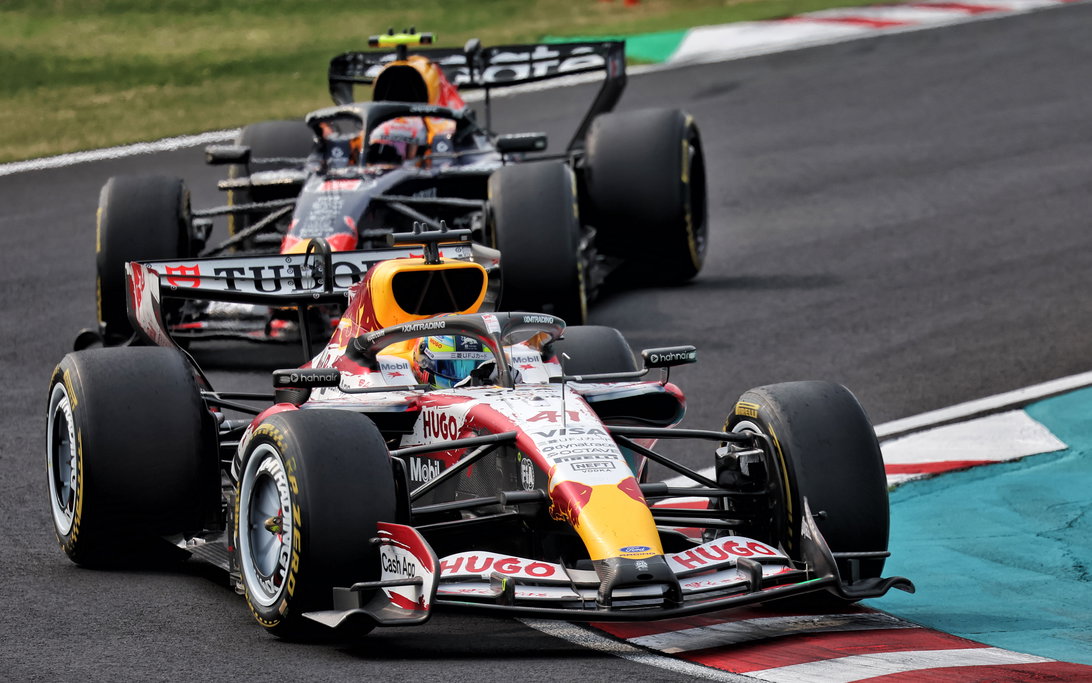
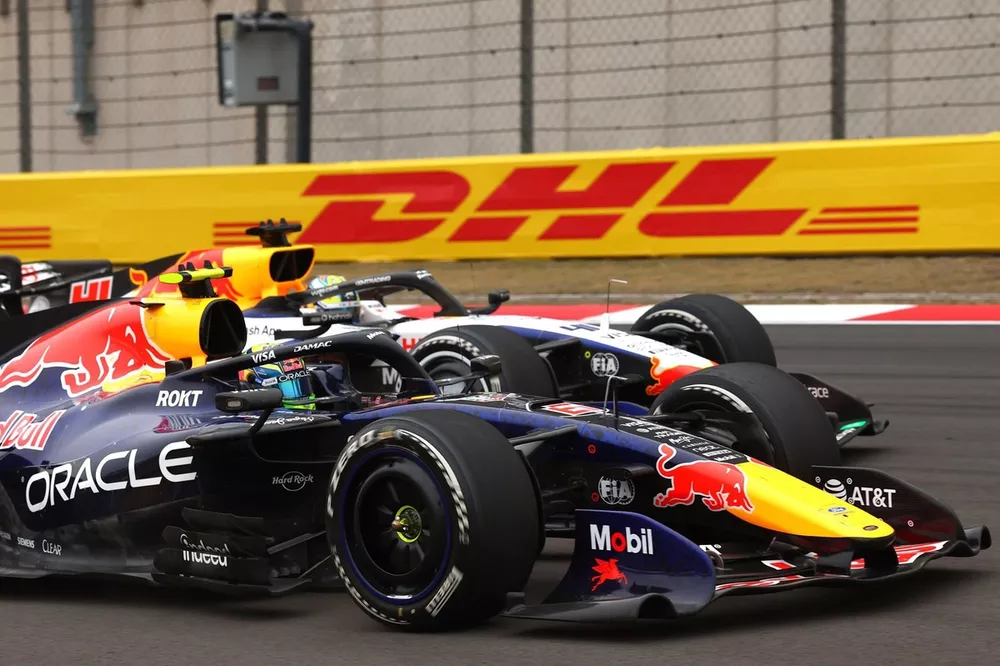
Red Bull's Isack Hadjar says Formula 1's new 2026 power unit regulations have fundamentally changed overtaking, making it possible for cars of similar pace to pass each other—a stark contrast to previous years where a significant speed advantage was required. Early-season data shows a massive increase in on-track action, with 149 recorded overtakes in the first three races, more than double last year's tally for the same events.
Why it matters:
The shift represents a dramatic change in the core racing product. While it creates more wheel-to-wheel battles and potentially better entertainment for fans, it introduces a new strategic layer centered on energy management. However, some drivers, including Hadjar, feel the process can at times feel "a bit artificial," sparking a debate about finding the right balance between spectacle and pure performance-based competition.
The details:
- A New Overtaking Paradigm: Hadjar highlighted the key difference, stating that last year an attacker needed "six, seven, eight tenths’ advantage" to pass, but now, "two cars with an identical pace can overtake each other back and forth."
- The Numbers Prove It: The statistics support the driver's observation. The 149 overtakes recorded in the opening trio of 2026 races (Melbourne, Shanghai, Suzuka) is a substantial jump from the 63 passes counted in the same events last season.
- Root Cause - Energy Management: The change is driven by the 2026 power units' greater electrical power and the consequent critical need to manage energy. Drivers are lifting and coasting earlier before corners to harvest energy, creating larger braking zones and more opportunities for the following car.
- The Driver's Verdict: Hadjar acknowledges the improvement for racing but points to a trade-off: "it's, for sure, at times a bit artificial. So we need to find the right balance. But it's definitely better than it was."
What's next:
The evolution of this new racing dynamic is not over. Hadjar believes further refinement will come from a combination of rule tweaks and teams simply learning more about optimizing the new systems over time.
- Rule Discussion: Formula 1 stakeholders are actively discussing potential adjustments, partly in response to this new racing characteristic and also due to safety concerns highlighted by recent incidents.
- Technical Development: As engineers gain experience, energy management strategies will become more sophisticated, which could alter the overtaking landscape again.
- Driver Adaptation: The skill set for drivers is evolving, placing a higher premium on strategic energy deployment during battles rather than solely raw lap time.
The 2026 rules have undeniably injected a new type of action into F1, but the sport is now tasked with fine-tuning the package to ensure the racing remains compelling and authentic.
Original Article :https://www.motorsport.com/f1/news/finally-f1-cars-dont-need-to-be-faster-to-ove...