



Haas boss urges patience on 2026 F1 rule changes
Haas team principal Ayao Komatsu has called for Formula 1 to avoid knee-jerk reactions and gather more data before considering changes to the divisive 2026 technical regulations, following a controversial debut in Australia that featured 'yo-yo' racing and complex starts.
Why it matters:
The 2026 rules cycle is locked in until at least 2030, meaning any hasty changes could have long-term negative consequences for the sport's racing product. With top drivers like Max Verstappen and Lando Norris publicly criticizing the new driving style as unnatural, finding a balanced, evidence-based solution is critical to maintaining driver satisfaction and fan engagement for the next four seasons.
The details:
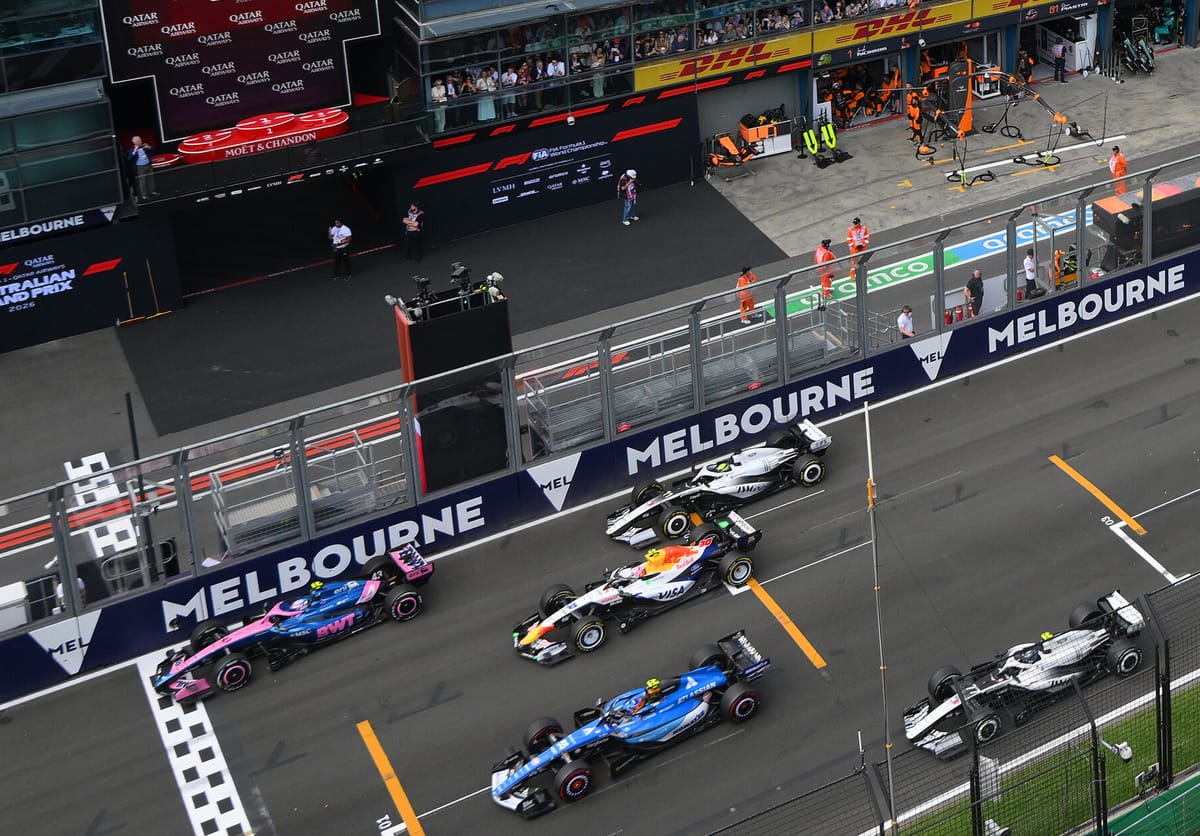
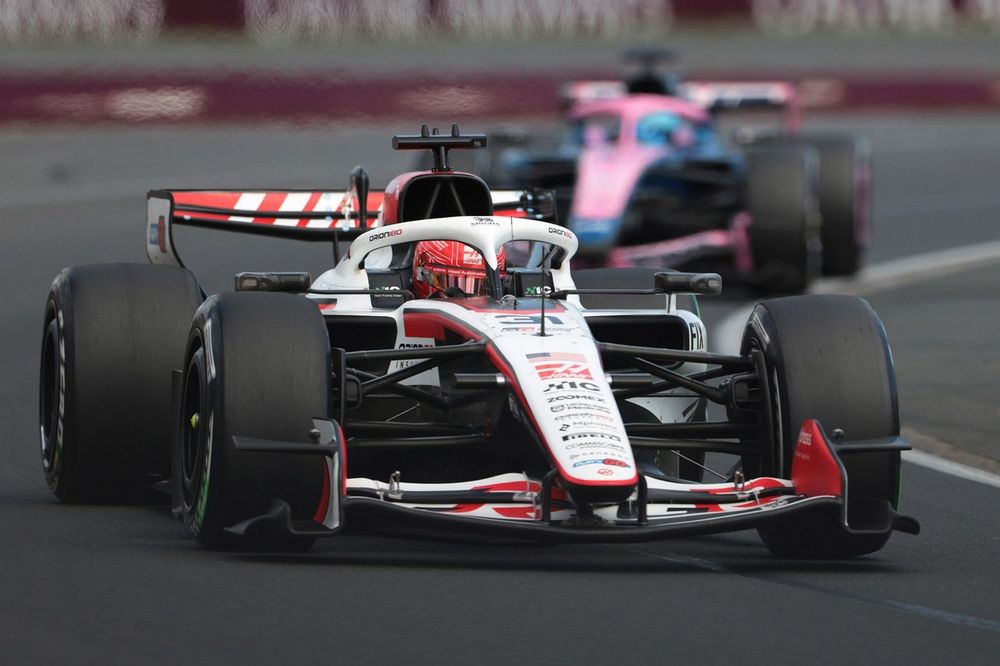
- The 2026 cars debuted officially at the Australian Grand Prix, where the most discussed elements were the pronounced 'yo-yo' effect—where cars rapidly close and then fall back on straights due to energy management—and tricky race starts that nearly caused collisions.
- Komatsu argues that judging the regulations based on one or two races is flawed, as track characteristics heavily influence energy harvesting and overtaking difficulty. He points to the upcoming varied circuits as a necessary test sample.
- Circuit Dependency: He provided a circuit-by-circuit analysis, noting Melbourne and Suzuka are traditionally hard for overtaking, while Shanghai's long straight and Bahrain's rear-limited nature should make passing easier, offering a clearer picture of the rules' global impact.
- Consensus for Caution: Komatsu revealed that teams, the FIA, and FOM discussed this during the Bahrain test and agreed to avoid a knee-jerk reaction, emphasizing that any change should be deliberate and correct the first time.
What's next:
The true test of the 2026 regulations will come as F1 visits a wider variety of circuits. Komatsu suggests a sample of about five races—including China, Japan, Bahrain, Saudi Arabia, and Miami—should provide the balanced data needed to identify if there are fundamental flaws requiring correction or if the racing will naturally vary and improve on different track layouts. The sport's stakeholders will be closely monitoring the competitive and sporting spectacle at these events before any formal review of the rules is likely.
Original Article :https://www.motorsport.com/f1/news/ayao-komatsu-f1-needs-about-five-races-to-mak...