




Haas boss Komatsu cautions against hasty F1 rule changes after Bearman's high-speed crash
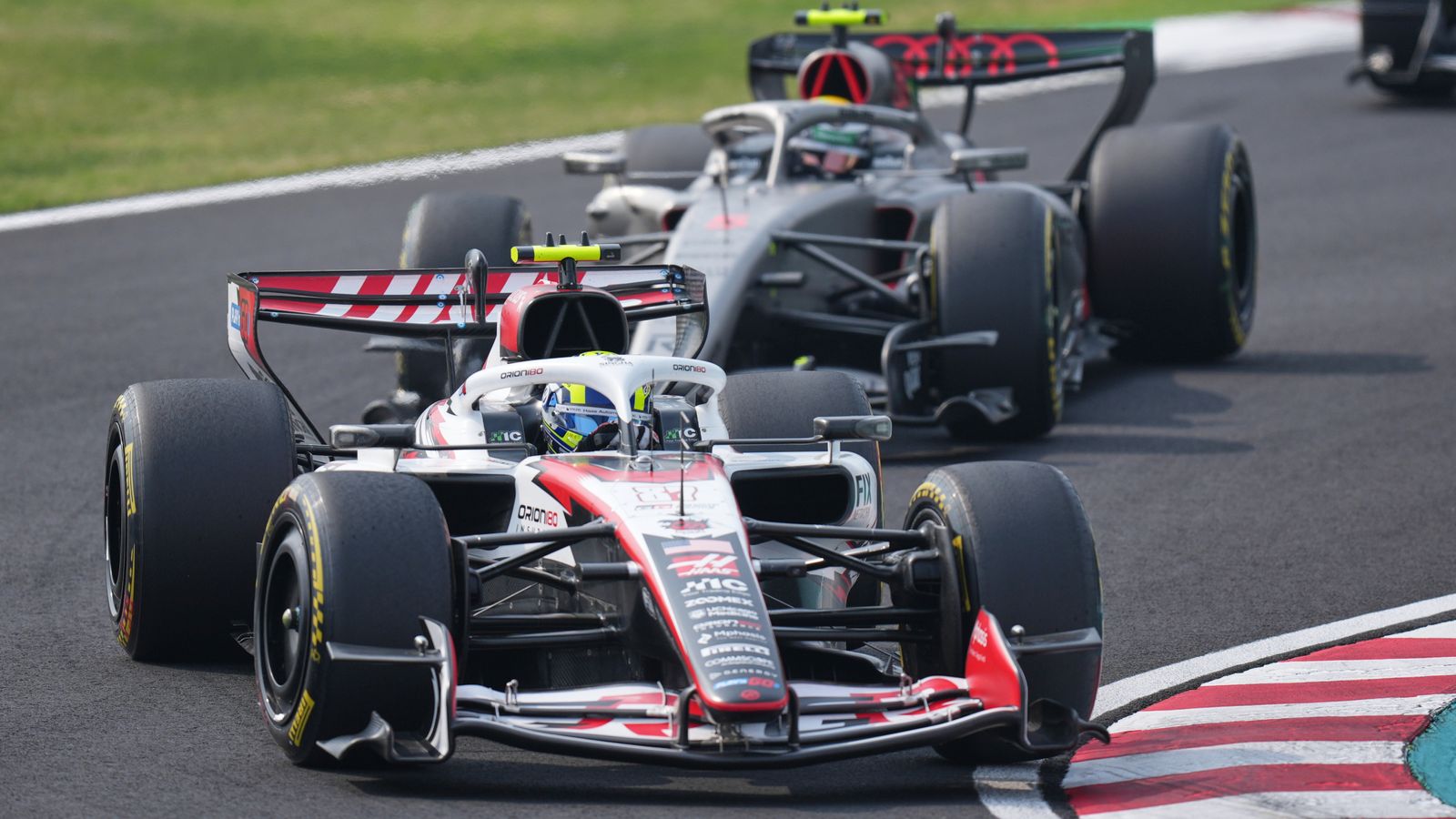
Haas team principal Ayao Komatsu has urged Formula 1's rulemakers to avoid "knee-jerk reaction changes" to the 2026 technical regulations, despite his driver Oliver Bearman's frightening 190mph crash at the Japanese Grand Prix. The incident, caused by a significant speed differential between cars, has sparked intense driver concern over the safety implications of the new rules, but Komatsu advocates for a measured, collaborative approach to finding solutions. Haas's strong start to the season, sitting fourth in the constructors' standings, provides a positive backdrop to his call for calm deliberation.
Why it matters:
The debate strikes at the core of F1's perpetual balancing act between innovation, competition, and safety. With the 2026 regulations designed to increase energy harvesting and promote closer racing, the unintended consequence—cars slowing dramatically on straights—has created a new and dangerous scenario. How the sport's stakeholders respond will set a critical precedent for future regulatory cycles, determining whether safety concerns are addressed through reactive patches or proactive, well-considered engineering solutions.
The details:
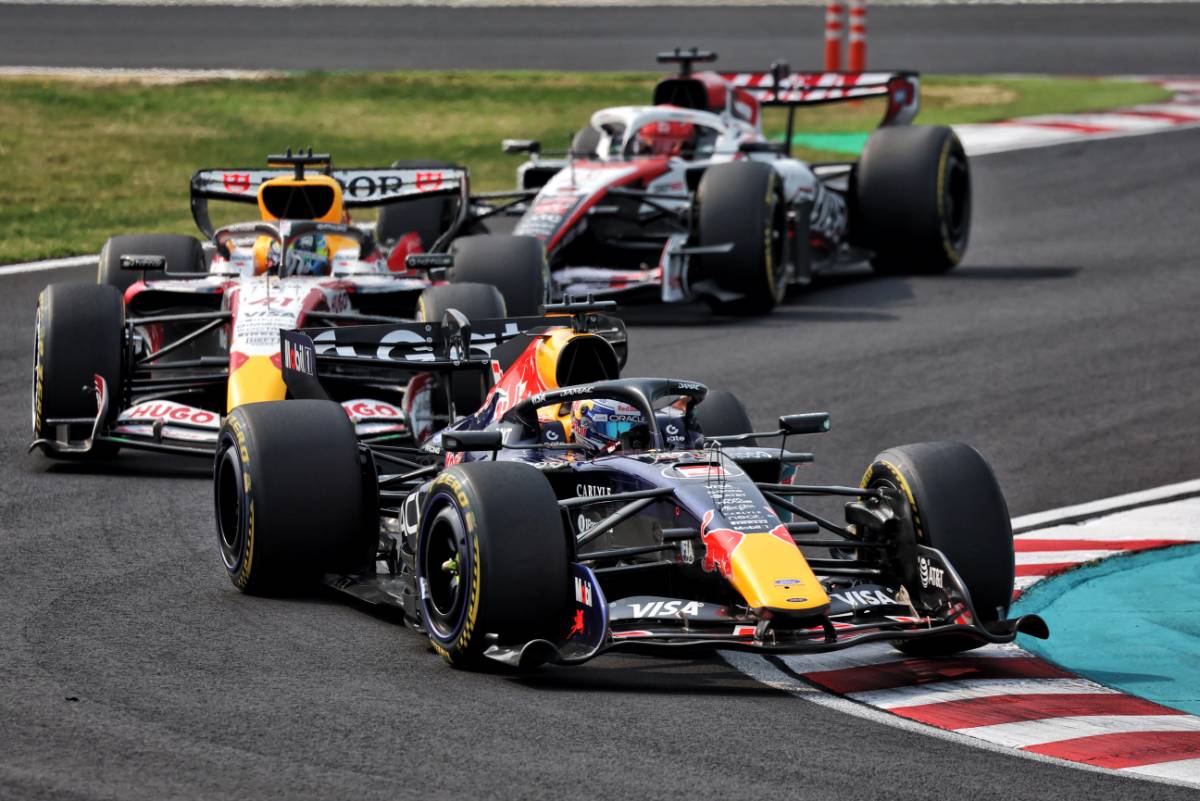
- The Incident: Oliver Bearman's crash occurred when he took to the grass at over 190mph while trying to avoid the slower Alpine of Franco Colapinto. A 30mph speed differential, attributed to the 2026 car's energy harvesting phase, left Bearman with minimal time to react before hitting the barriers.
- Driver Backlash: The crash became a major post-race talking point, with drivers like Carlos Sainz of Williams vocal in calling for the FIA to make racing "safer." The consensus among competitors is that such incidents may become inevitable under the current 2026 framework.
- Komatsu's Stance: Despite his driver being involved, Komatsu preached patience. He emphasized the need for "correct" changes rather than quick fixes that might prove wrong later, highlighting an unprecedented level of open collaboration between all teams, the FIA, and F1 management.
- Bearman's Condition: The 20-year-old British driver escaped serious injury, suffering only a bruised knee. Komatsu confirmed Bearman is "fine" and expected to be fully ready for the next race in Miami.
- Haas's Strong Start: The team's surprising fourth-place standing after three races, fueled by points finishes from both Bearman and Esteban Ocon, has exceeded internal expectations. Komatsu admitted he "would have laughed" if told this would be their position ahead of the season.
What's next:
The FIA has scheduled meetings during the five-week gap before the Miami Grand Prix to discuss potential changes. Komatsu's warning sets the tone for these discussions, advocating for a process-driven approach over a reactive one.
- For the sport, the focus will be on whether the 2026 regulations can be tweaked to mitigate the speed delta danger without compromising their core energy-recovery objectives.
- For Haas, the challenge shifts to sustaining their early form. Komatsu realistically noted the coming "tough development war" will be challenging for a smaller team, focusing not on defending fourth place but on maximizing their inherent capability throughout the season.
Original Article :https://www.skysports.com/f1/news/12433/13526954/f1-2026-haas-boss-ayao-komatsu-...