


Haas Boss Exonerates Drivers After Bearman's 50G Suzuka Crash
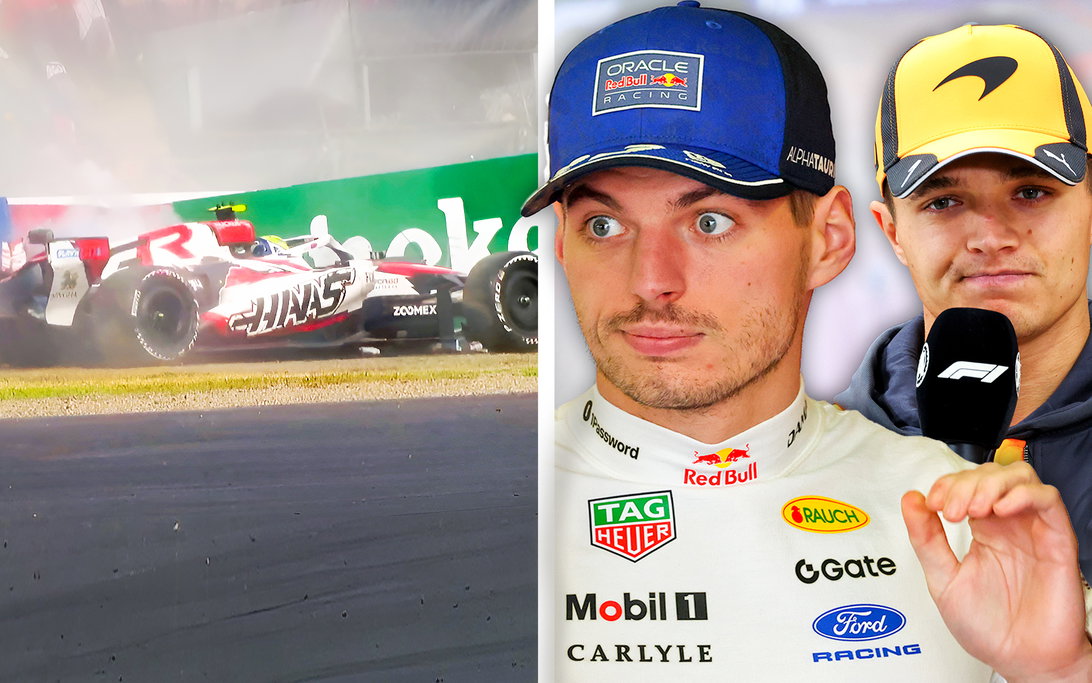
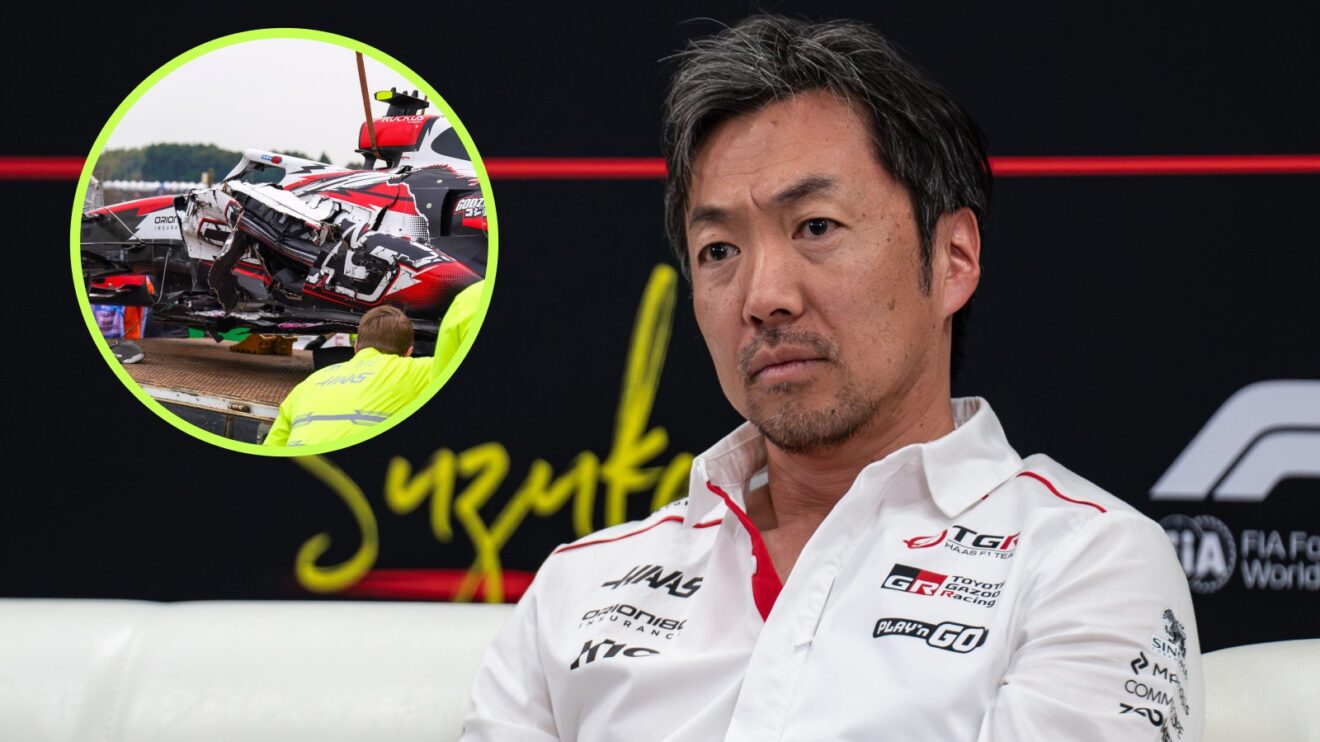
Haas team principal Ayao Komatsu has attributed Oliver Bearman's massive 50G crash at the Japanese Grand Prix to a dangerous speed differential caused by current F1 regulations, explicitly refusing to blame either Bearman or the driver he was attempting to pass, Williams' Franco Colapinto. The incident, which saw Bearman's car slam into the barrier at 190mph after touching the grass, has ignited a serious discussion about the inherent risks of the sport's current technical rules.
Why it matters:
This high-profile crash acts as a stark validation of concerns multiple drivers have raised this season, transforming theoretical warnings into a tangible, terrifying reality. It highlights a critical safety loophole where massive closing speeds, created by differences in energy deployment and car performance, can make routine overtaking maneuvers unpredictably hazardous. The fact that Bearman escaped with only bruising from such a violent impact is fortunate, but it underscores an urgent need for the F1 community to re-evaluate these unintended consequences.
The details:
- Komatsu pinpointed the root cause as a 50 kph (31 mph) speed delta between the two cars entering the high-speed Turn 13/14 complex. Bearman, with more battery energy available, used his overtake button while Colapinto was not deploying.
- The Haas team principal defended both drivers' actions, stating Colapinto was driving consistently and Bearman's decision to attempt the pass was "totally understandable" given the normal 20kph advantage his car had in that sector.
- A Misjudgment, Not an Error: Komatsu carefully avoided labeling it a "driver error," calling it a "small misjudgment" exacerbated by a closing speed Bearman had never experienced before, especially in only the third race under the latest regulations.
- Regulatory Flaw Exposed: He directly connected the incident to the regulations, stating, "It’s one of the things I think we talked about with this regulation, closing speed could become an issue."
What's next:
The crash is likely to serve as a catalyst for formal discussions among teams, the FIA, and Formula 1 management about potential mitigations. While changing core power unit regulations is complex, the focus may shift to driver coaching, revised energy deployment guidelines in certain corners, or even track-specific recommendations to prevent a repeat. For Bearman and Haas, it becomes a hard-learned lesson in managing extreme speed differentials, with Komatsu noting the team will analyze "how we can improve" their internal processes. The broader paddock will now be forced to confront a safety question that has moved from 'if' to 'when.'
Original Article :https://www.planetf1.com/news/haas-drivers-not-to-blame-50g-bearman-crash-japane...