





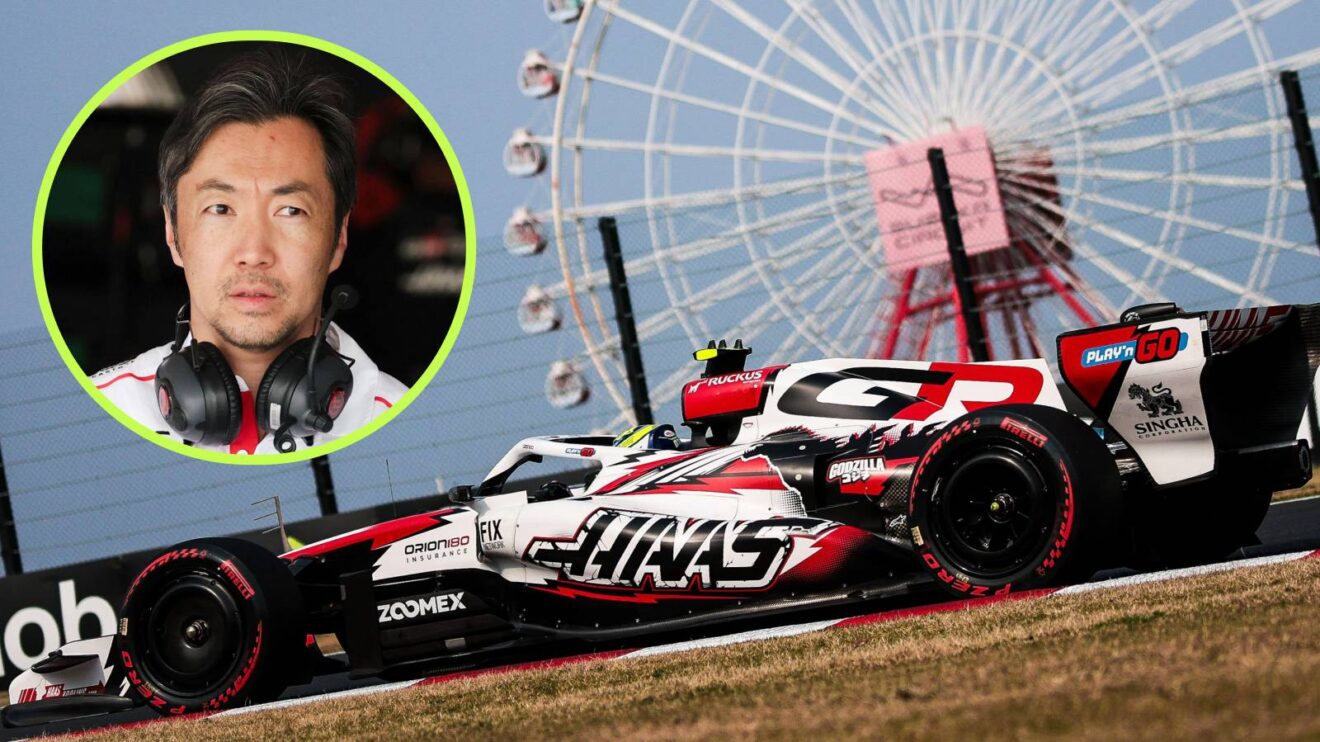
Haas Boss: Bearman Crash Highlights 2026 Risks F1 'Cannot Ignore'
Haas Team Principal Ayao Komatsu says Oliver Bearman's frightening 50G crash at the Japanese Grand Prix "cannot be ignored" and underscores the safety challenges posed by F1's new 2026 power unit regulations. While urging against knee-jerk reactions, Komatsu emphasized that the incident, caused by a massive closing speed delta, must be a central topic in upcoming technical meetings to balance safety with the racing spectacle.
Why it matters:
The 2026 regulatory shift, creating a near 50/50 split between internal combustion and electrical power, has fundamentally altered on-track dynamics. This incident provides concrete, dangerous evidence of the unintended consequences—specifically, extreme speed differences during energy deployment—that drivers and teams have warned about since pre-season testing. Addressing these safety concerns is critical for the sport's credibility before the new rules fully take effect.
The details:
- The Incident: Oliver Bearman crashed heavily at Suzuka's Spoon corner after catching Alpine's Franco Colapinto with a ~50 km/h speed advantage while his Ferrari-powered Haas was in an energy deployment phase.
- The Cause: When Colapinto moved to defend—a standard maneuver under old regulations—Bearman took evasive action, skated over the grass, and hit the barriers sideways.
- Regulatory Context: The 2026-spec power units prioritize energy harvesting, forcing drivers to lift-and-coast and manage corners carefully. Energy deployment is largely algorithm-controlled, reducing driver agency.
- Komatsu's Stance: The Haas boss advocates for a measured, data-driven approach. He previously suggested needing a sample size of five race weekends before deciding on changes but acknowledges safety is now a paramount concern following this crash.
- Upcoming Discussions: The issue will be discussed at the F1 Commission and a Power Unit Advisory Committee (PUAC) meeting scheduled for April 9th. Komatsu expressed confidence the F1 community would collaborate on solutions without seeking sporting advantage.
What's next:
The focus is now on finding technical or sporting regulations adjustments to mitigate the risks of extreme closing speeds without compromising the new formula's intent.
- Komatsu believes "relatively minor improvements" identified from the first few races could "drastically improve the show as well as the safety."
- A key philosophical goal for many, including Komatsu, is to return control to the drivers: "The driver should be in charge of driving... systems should be like your tool set."
- The early adjustment to reduce harvestable energy in qualifying at Suzuka is seen as a positive first step, proving the rules can be refined reactively.
- The April 9th PUAC meeting will be a crucial forum for PU manufacturers and teams to propose concrete solutions based on the initial race data and this serious incident.
Original Article :https://www.planetf1.com/news/oliver-bearman-crash-suzuka-komatsu-f1-2026-risks