






Red Bull's energy management deficit highlighted as key weakness
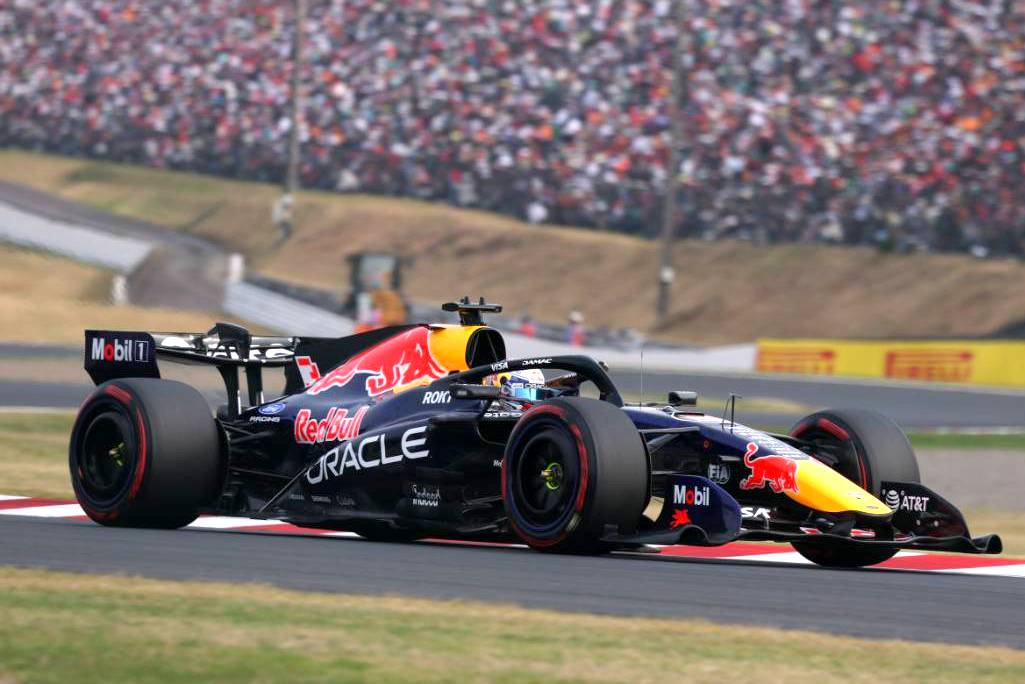
Former F1 driver and GPDA chair Alex Wurz has identified a crucial area where Red Bull is falling behind its rivals, pinpointing energy management as a significant weakness that is impacting Max Verstappen. Analyzing the Japanese Grand Prix, Wurz noted that Red Bull's handling of the complex energy systems under F1's new regulations lags behind Mercedes and Ferrari, compounding the team's existing chassis struggles.
Why it matters:
Energy management is a pivotal component of the current F1 technical regulations, directly influencing race pace and strategy. For Red Bull, a team transitioning to become a power unit manufacturer in 2026, mastering this area is critical for both short-term competitiveness and long-term technical credibility. A deficit here exacerbates the performance issues from their troublesome RB22 chassis, creating a double challenge that frustrates their star driver and hinders their ability to fight at the front.
The details:
- Alex Wurz, on the Lift and Roast podcast, specifically analyzed Red Bull's energy usage around the demanding Suzuka circuit, concluding they are "behind the competition."
- This technical shortcoming comes despite Red Bull's new in-house power unit project exceeding early expectations and reportedly not needing assistance under the ADUO (Additional Development Upgrade Opportunities) system.
- The core performance issue this season has been the unpredictable and difficult-to-drive RB22 chassis, which left Verstappen and Isack Hadjar uncompetitive in China and Japan.
- Wurz connected the energy management struggles directly to Verstappen's visible frustration, stating the way rivals handle their energy "certainly doesn't help Verstappen's mood."
- Verstappen has been vocally critical of the new 2026 regulations, a stance Wurz empathizes with, though the champion insists he would voice these complaints even if the car were competitive.
The big picture:
The revelation underscores that Red Bull's challenges are multifaceted. While the new power unit project shows promise for 2026, the current operational execution under the existing rules is lacking. Being behind on energy management—a key performance differentiator—while also battling chassis instability puts the team in a difficult position. It highlights the immense challenge of excelling in both current-era development and future-generation projects simultaneously, a balance that reigning champions Mercedes and Ferrari are also striving to master.
What's next:
Red Bull's engineering team faces the dual task of solving the RB22's fundamental handling issues while also optimizing its complex energy deployment software and strategies. Closing this gap is essential for salvaging results in the current season and for building a knowledge base that will inform their 2026 contender. All eyes will be on whether they can demonstrate improved energy management in upcoming races, which would be a key indicator of their ability to adapt and develop in-season.
Original Article :https://racingnews365.com/crucial-red-bull-deficit-identified-certainly-doesnt-h...