




George Russell's Road to Redemption After Bahrain Heartbreak
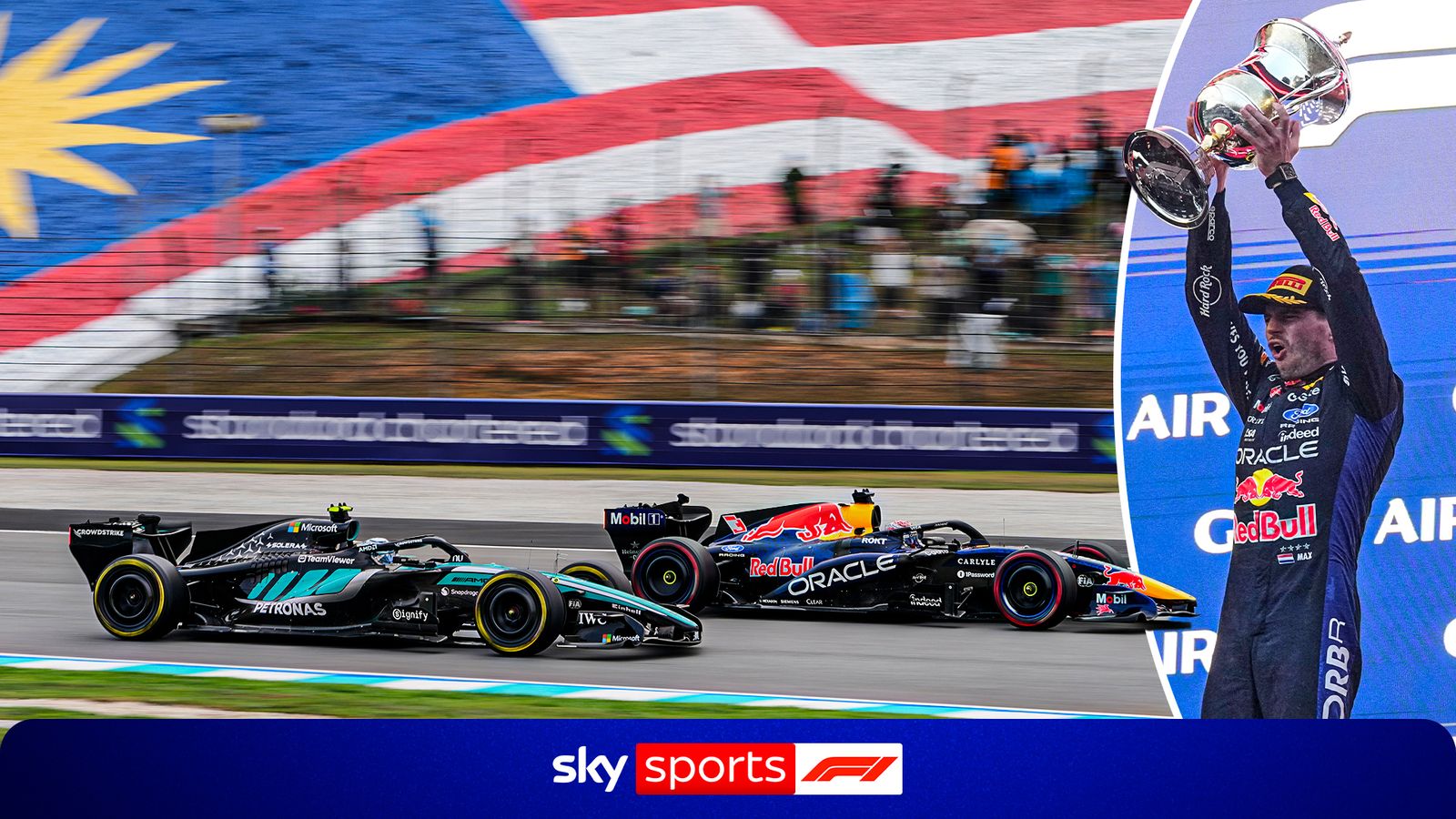
George Russell’s 2026 campaign started in the most challenging way possible with a "gut-wrenching" DNF at the Bahrain Grand Prix. In a season defined by a massive regulatory pivot, failing to score points in the opener creates an immediate deficit that is difficult to erase, both mathematically and psychologically.
Why it matters:
The 2026 season marks one of the most significant technical shifts in F1 history. With the introduction of entirely new power unit regulations, early-season reliability and real-world data collection are paramount. For Russell, a DNF doesn't just mean zero points; it represents a critical loss of track time needed to calibrate the new Mercedes power unit against the redesigned competition, potentially putting him at a disadvantage regarding setup evolution.
The details:
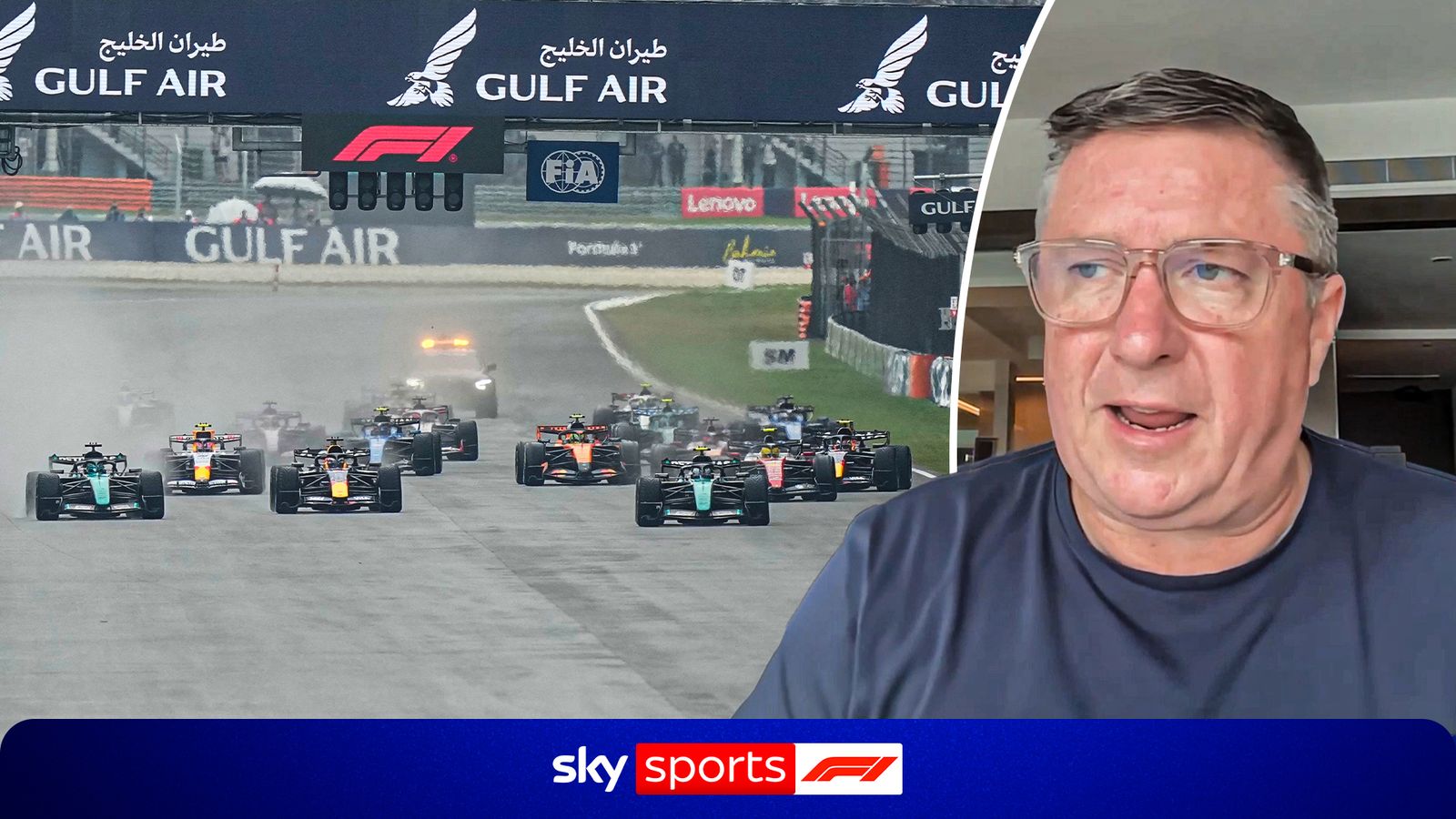
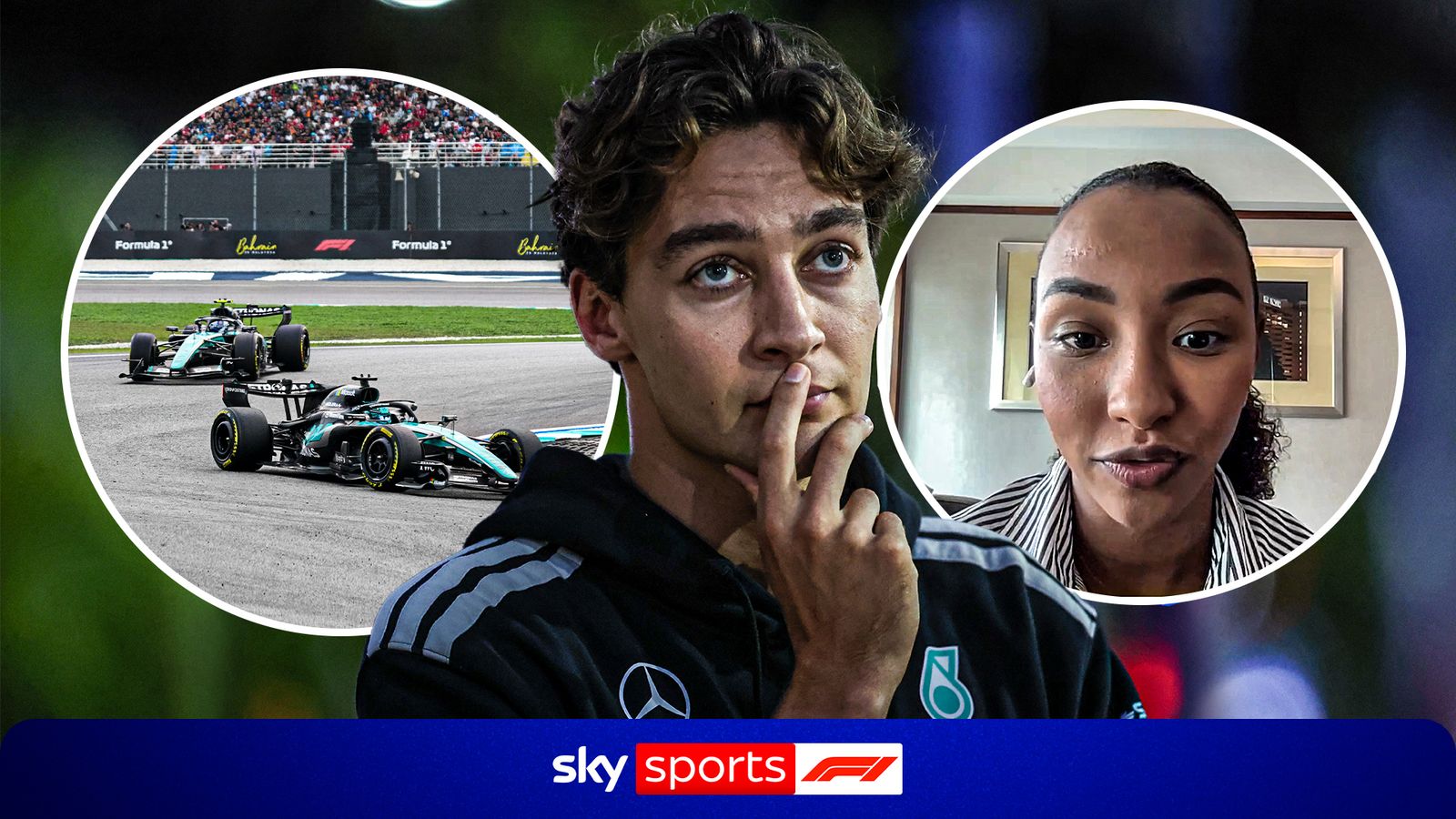
- Psychological Recovery: Analyst Naomi Schiff emphasizes that early-season failures can lead to "over-driving." The pressure to compensate for lost points often pushes drivers to take unnecessary risks, which could lead to further setbacks.
- Technical Gap: While his teammate gathered essential data on tire degradation and energy deployment under race conditions, Russell is now forced to rely on simulations and teammate telemetry.
- Team Leadership: As Russell cements his role as the spearhead of the Mercedes project, his ability to maintain composure under this early stress will be a litmus test for his mental fortitude and leadership within the garage.
What's next:
The immediate priority is consistency. Russell must avoid "hero moves" and focus on maximizing the current package. If he can secure a string of podiums in the upcoming flyaway races, the Bahrain disaster will become a footnote. However, if the reliability issues persist or the mental pressure mounts, the gap to the championship leaders could quickly become insurmountable.
Original Article :https://www.skysports.com/f1/video/13596067/f1-what-george-russell-can-do-now-af...